
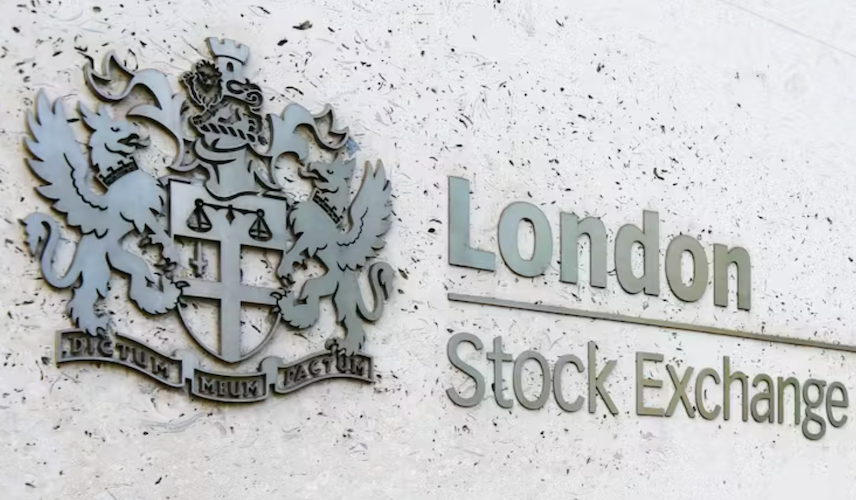
From its 17th century beginnings in the coffee houses of the Square Mile, the London Stock Exchange has grown into one of the best-known financial institutions in the world, a regulated marketplace where companies come to raise money by “listing”. That is, offering shares to corporate and private investors.
But this venerable City fixture is in trouble, it seems – in long-term decline, even facing an existential crisis, according to some recent commentary. Firms are delisting or shifting their listing to the US, and new listings are down too. UK pension funds are putting their cash elsewhere, with just five per cent of their assets now held in UK stocks and shares. Last year, the stock exchange market lost 88 companies, the most since the 2009 financial crisis.
What’s going wrong? Does it matter?
There are many explanations on offer. The impact of Brexit is often cited, along with restrictive regulations compared with the US, Stamp Duty raised on share dealing putting off investors and private equity predation. There’s a lack of liquidity too: a buoyant market supports plenty of trading, with investors able to trade easily without affecting prices. That doesn’t seem to be case for the City.
Fundamentally, perhaps, the US market puts higher valuations on companies seeking funds, and delivers higher returns for investors. Lower valuations in the UK not only prompt companies to look elsewhere, but also encourage private equity takeovers, further undermining the market.
The model of finance “rooted in the City of London of old” had failed to move with the times, House of Commons business and trade committee chair Liam Byrne suggested this week. “The London Stock Exchange is no longer the engine of growth it once was,” he said. His committee is now launching an inquiry into what a “new architecture of investment” should look like.
How important is this, when trading is global and the big money world of speculation, takeovers and eye-watering pay outs can seem divorced from everyday life for most of us? Perhaps more than we think.
Firstly, overseas listing or takeover can lead to relocation, putting London jobs at risk and leaving UK investors with less choice in their home market. A weaker market also affects wider financial and professional services – those bankers, lawyers, accountants and consultants who between them contributed some £110 billion in tax revenue to the Treasury in 2023.
More important though is the wider economic impact. The presence of globally significant listed companies, the Confederation of British Industry (CBI) said in its Revitalising UK Public Markets report last month, not only sustains professional services but “attracts international capital, enhances the UK’s global market credibility, and connects the UK to many global supply chains crucial for innovation, productivity, and employment.”
As Birmingham University professor David Bailey put it succinctly in the Independent earlier this year: “Ultimately if London isn’t seen as an attractive market for bigger companies to list their shares, this raises a question mark over whether UK firms can attract money.” That affects the government’s growth ambitions, and ultimately all of us.
So, what to do? Various reforms are on their way, as Rachel Reeves highlighted in her annual Mansion House speech last month – simplifying exchange rules, a taskforce to attract new listings, rolling back regulation, which Reeves argues has “gone too far” in seeking to eliminate risk, and targeted support for growth sectors such as fintech. Reeves won’t be bowing to City demands to axe Stamp Duty on share purchases though – it currently brings in £4 billion a year to the Treasury.
The big government push is about persuasion: getting pension funds pledging to invest more in British business and major infrastructure projects, and a new drive to encourage reluctant Brits to get into stocks and shares – “Tell Sid”-style advertising, for those who remember the 1980s, urging us to buy shares in the newly-privatised British Gas.
More pension fund investment at home would boost business, increase liquidity in the market, lift valuations and deliver higher returns to pension savers, the government hopes. Similarly, it argues, the UK’s low levels of “retail” investment – just 23 per cent of people investing directly in the stock market compared to nearly two-thirds of Americans – mean savers as well as businesses losing out while an estimated £300 billion sits in low-return cash ISAs. The new ad campaign will help to explain the benefits of investing.
The jury is out on these moves, but there are also suggestions that things aren’t perhaps as bad for the Square Mile as commentators suggest. The CBI report argues the the London Stock Exchange remains “one of the world’s largest and most liquid markets, underpinned by deep pools of capital, global financial expertise, and a trusted legal framework”. This year, the FTSE 100 Index of the largest listed companies actually reached record highs, with the exchange overtaking Paris to regain its position as the biggest stock market in Europe.
There’s optimism, too, that the market is well placed to take advantage of investor uncertainty in the US. City figures, including stock exchange chief executive David Schwimmer, are reporting investors returning to London, plus a “very healthy pipeline” of deals which could boost the market further.
Serious concerns remain, though, particularly about keeping as well as enticing high growth companies. As Byrne says, “too often, our greatest entrepreneurs struggle to find the scale-up finance they need to build world-beating companies on these islands”. The latest defector is online payments company Wise in a reported £12 billion blow to the exchange. Companies must be encouraged to “invest for growth rather than focusing on dividends and buybacks”, according to the CBI.
Finally, the stock exchange, populated by big firms often earning most of their revenue abroad, doesn’t represent a full picture of the economy, and more of us dabbling in shares may not shift the dial. This week, BusinessLDN, while on board with the message that London is the “best place in the world in which to do business”, called for wider action. That should include investment in essential infrastructure and training, and, in London, more devolution, empowering the capital to “lead on project delivery and fulfil its full potential as an engine of UK-wide growth”.
It’s a call echoed by John Asthana Gibson at the Social Market Foundation in his response to Reeves’s latest initiatives. “If you want growth”, he said, “focus on supply side reform: build houses, railways and power plants.”
Follow Charles Wright on Bluesky.
OnLondon.co.uk provides unique coverage of the capital’s politics, development and culture with no paywall and no ads. The vast majority of its income comes from individual supporters, who pay £5 a month or £50 a year. They receive in return bespoke newsletters, bargain London event offers and much gratitude. Details HERE