
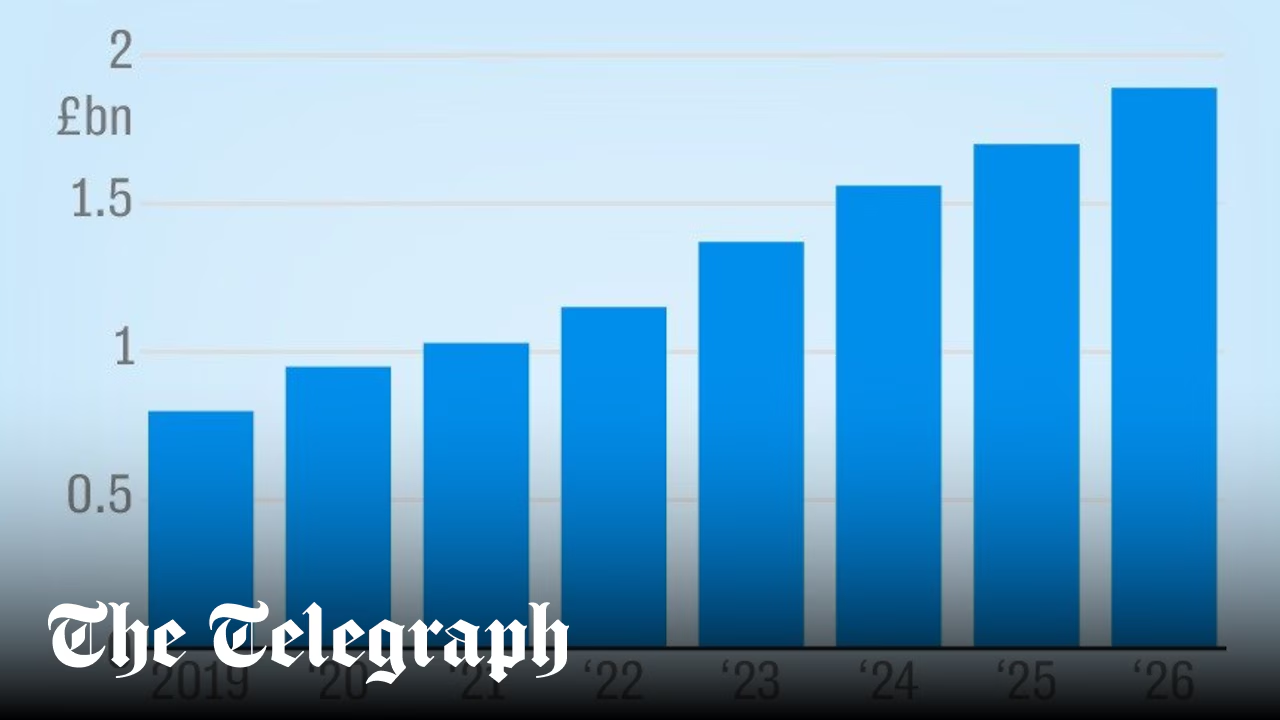
Better still, they are also upgrading their estimates. The UK’s economic outlook may not be helpful, but the FTSE 100’s members get two-thirds of their earnings from overseas, and the pound is still well below where it was a decade ago, just before the referendum on whether to stay in the EU or not.
Any further doubts about the AI boom, with regard to how the substantial investments are to be funded and whether they will get an adequate return, could favour London, given its lack of exposure here.
Meanwhile, the UK’s exposure to oil producers and miners could help if the wars in Ukraine and the Middle East drag on, or sustained bouts of inflation persuade investors to diversify and add exposure to commodities, or “real assets”.
Often forgotten, the FTSE 100 – and wider UK stock market – is an absolute cash machine right now, and that helps to make a valuation case for exposure as part of a balanced portfolio.
Analysts expect the FTSE 100’s members to pay out £88.8bn in dividends in 2026, while planned share buybacks by the index’s members currently come to £45bn.
Add in around £10bn in dividends and £7.9bn from buybacks from other members of the FTSE All-Share and Aim All-Share indices, and the £70bn in live or completed takeover deals, and investors with exposure to UK equities are poised to pocket £217bn this year, if all goes to plan.