
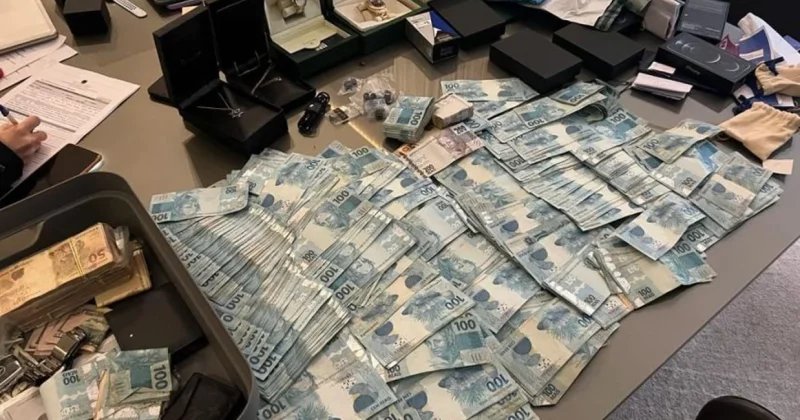
Brazilian police confiscated roughly 1,400 Bitcoin mining machines from two cities in São Paulo state on May 20, shutting down an operation that had been quietly siphoning an estimated 2 gigawatt-hours of electricity from the local grid. To put that number in perspective, that’s enough power to keep about 2,000 homes running for an entire month.
The operation was carried out by the São Paulo State Property Crime Investigation Department, known as DEIC, working alongside CPFL Piratininga, the regional utility company. Together they identified nine industrial-grade three-phase transformers with a combined capacity of 8,470 kVA that had been rigged to funnel stolen power into the mining farms.
How the scheme worked
The rigs were spread across facilities in Jundiaí and Louveira, two cities in São Paulo’s interior. Nine three-phase transformers served as the backbone of the illicit setup. The 8,470 kVA total capacity suggests this was no hobbyist garage operation.
Bitcoin mining is perfectly legal in Brazil. The prosecution here centers entirely on the electricity theft. By stealing grid power, these operators eliminated their single largest expense, effectively subsidizing their Bitcoin rewards at the public’s expense.
Brazil’s regulatory crackdown gathers steam
This bust doesn’t exist in a vacuum. It arrives on the heels of legislation passed in March 2026 that gives Brazilian authorities the power to seize and liquidate digital assets connected to organized crime. Proceeds from those liquidations get redirected into public security funds.
Brazil is far from alone in this fight. Paraguay has conducted similar crackdowns on illegal mining operations that tap into its cheap hydroelectric power. Other Brazilian states have also reported raids on clandestine farms in recent years.
The scale of this particular bust, 1,400 machines and 2 GWh of stolen power, makes it one of the more significant enforcement actions in Brazil’s recent history. The stolen power represents a meaningful financial loss for CPFL Piratininga and, by extension, for the rate-paying customers who effectively subsidize grid losses from theft.
What this means for investors
The March 2026 asset seizure law gives the government a direct mechanism to confiscate and sell crypto holdings tied to criminal investigations. For traders and investors with exposure to Brazilian markets, this creates a scenario where large liquidations of seized Bitcoin could hit exchanges and move prices.
The broader signal is that Brazil’s regulatory posture toward crypto is tightening along enforcement lines rather than outright prohibition. Mining stays legal. Trading stays legal. What’s changing is the government’s willingness and ability to pursue people who use digital assets as part of criminal enterprises.