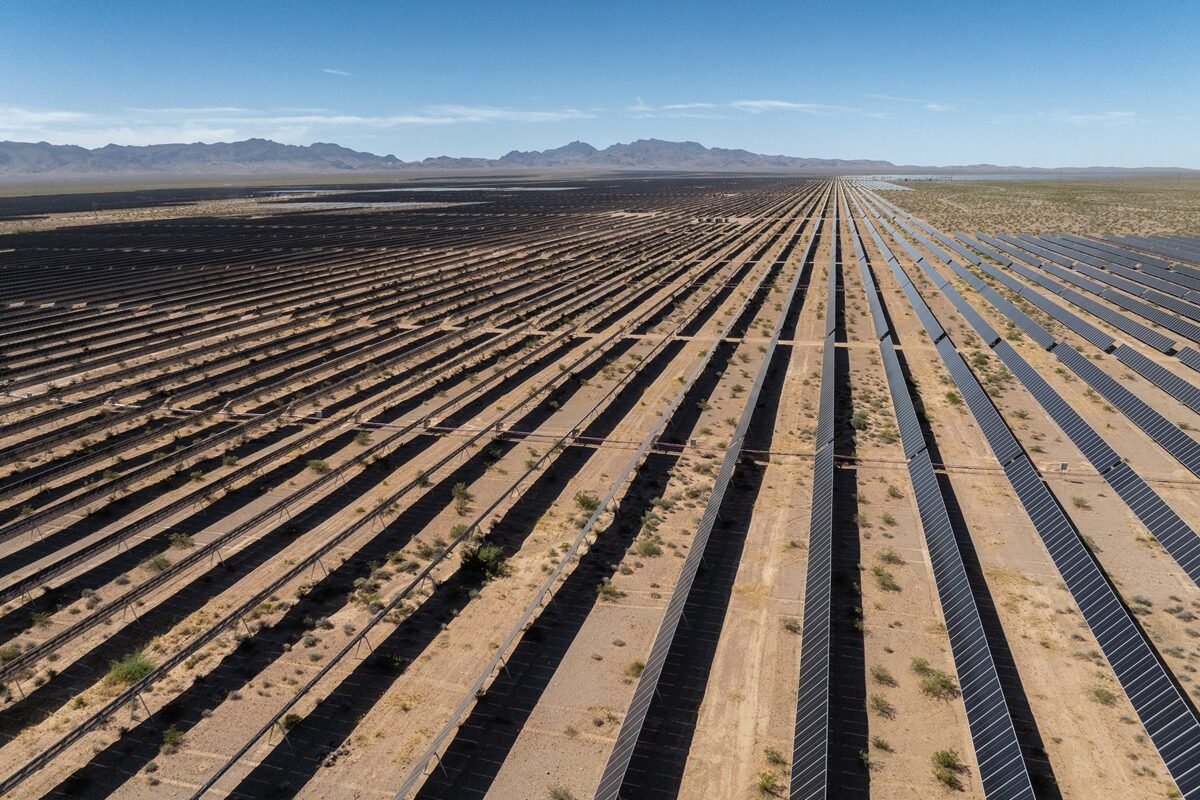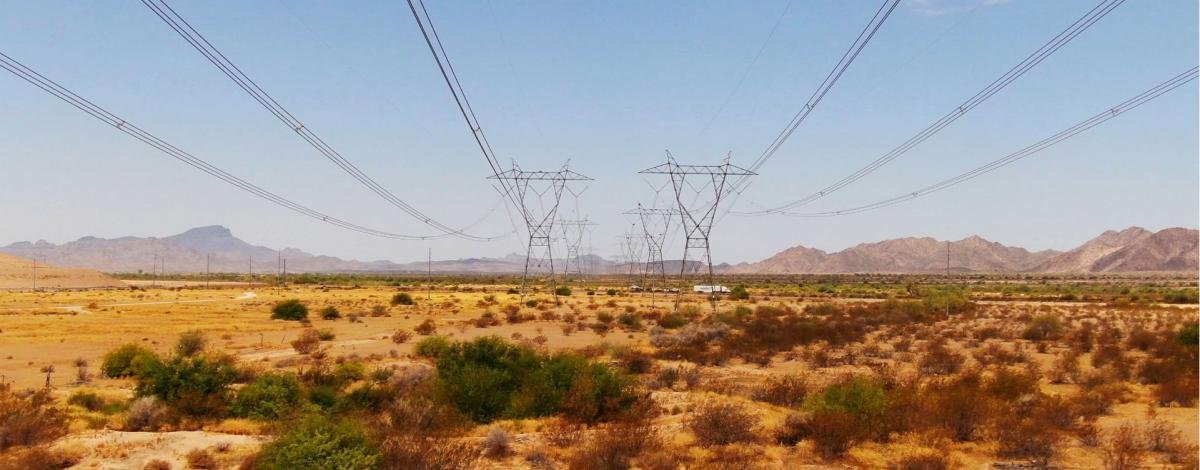
The U.S. is facing record electricity demand, mostly driven by AI processing, hyperscale data centers, electric vehicles and hotter weather.
But our nation’s electric grid, built over 70 years ago, struggles to keep pace with this record demand. Utility companies are stuck in the middle and often limited by aging grid technology. While the grid has been improved with automation and emerging technologies, U.S. aging infrastructure struggles to meet modern electricity needs, including the incorporation of renewable energy resources and handling growing building and transportation electrification.
To address these limitations, the Department of Energy (DOE) recently released its “Liftoff” plan. This ambitious plan will deploy advanced grid technologies to increase transmission capacity and reduce carbon emissions.
Outlined here are three key actions utility companies can take to realize this plan and the critical role of renewables, primarily solar energy, in making it come to life.
1. Identify Interconnection Requirements and Standards
First, it’s important for utility companies to understand any existing interconnection rules and standards. These can vary by state or region, although the U.S. federal government sets the minimum requirements. Utilities who do not produce their own power should work closely with independent power producers (IPPs) to ensure all relevant parties are meeting these rules and standards.
Utilities and grid operators can develop their own interconnection standards, particularly concerning solar energy. For any utilities or operators who use solar energy, safety and reliability need to be at the center of plans. Protection and control systems need to be in place to prevent inverters from catching fire due to possible overheating. Utilities should also consider battery storage systems for their solar energy systems, which can supply power to customers on cloudy days or at night.
There are a few different interconnection scenarios that could result from the DOE’s liftoff plan, which utility companies will need to prepare for:
Replace: Plans to replace towers and power lines is the most expensive and time-consuming element of the plan. For utility companies, this can help with future electricity demands. In the near-term, this could result in being unable to deliver the power required by customers with fast-growing electricity demands such as data centers or electric fleets.
Reconductor: Updating power lines with advanced conductors can cost less than half the price of replacement for similar capacity upgrades. This is a viable middle-of-the-road option that can support increased electricity demand over a short period of time without significant upfront investment.
Re-dispatch (“Connect and Manage”): This option allows customers to connect to the grid with the understanding that their energy supply might be curtailed based on grid supply and demand. This is the least expensive and fastest option but could also lead to insufficient power availability and reputational damage.
It’s worth paying attention to organizations like IEEE, NREL, EPA, and Interstate Renewable Energy Council because they provide industry perspectives in the drafting of these rules and standards.
2. Determine Roles and Responsibilities
An updated grid will need clearly defined roles and responsibilities across the energy ecosystem, including responsibility for repairs and servicing. To help avoid a “who’s on first” situation in delivering these essential services, utilities and IPPs can work together to clarify ownership and responsibility of certain tasks. The point of interconnection and the demarcation line often determine these responsibilities, impacting maintenance, repair, monitoring and incident management.
Electric utilities are generally responsible for:
- Regular upkeep of infrastructure such as powerlines, transformers and substations to ensure reliable service;
- Feasibility and impact studies to help ensure new interconnections do not compromise the grid;
- Reliability studies to ensure minimal outages and to shore up demand needs.
IPPs are typically responsible for:
- Power-producing components and interconnections;
- Maintenance and repair costs (though these are defined by contracts between IPPs and third parties, with responsibility contingent upon the location of faults and component ownership);
- Developing new power generation projects, which include site selection, securing permits, financing, construction and commissioning of some power plants.
It is critical that utility companies and IPPs have a collaborative relationship, sharing data to better understand and predict demand patterns and servicing needs. Technologies like Supervisory Control and Data Acquisition (SCADA) systems and Phasor Measurement Units (PMUs) enable real-time monitoring and management of grid conditions. Other technologies, such as predictive analytics and machine learning, can forecast solar generation patterns and adjust grid operations automatically – ultimately helping utilities and IPPs get power to the right place at the right time.
3. Work With Sustainable Technology Partners
The grid has grown more complex with the integration of solar, wind and other renewable energy sources. Software will play an important role in ensuring the grid can use these sources efficiently.
The DOE regularly announces solar funding opportunities, such as the Solar Technologies’ Rapid Integration and Validation for Energy Systems (STRIVES) program, that utility companies can tap into to integrate solar energy and other renewables into the power supply. Working with the right technology partner is critical to helping secure funding, as well as navigate this transition.
Partners who can support quick and easy installations, particularly for undergrounding and microgrid initiatives, can support utility companies in securing appropriate funding to drive investment in new and existing technologies. Products like switchgear connectors that are easy to install and have a lower total cost of ownership can help the utility company show that it can both operate efficiently and be financially prudent. In developing short- and long-range plans, factor in solutions and materials that can improve reliability and longevity such as fasteners and cable ties that can stand up to demanding conditions and exposure and simplify and reduce maintenance.
Ultimately, partners who can bridge hardware, software and data can help utility companies balance power supply and demand, while reducing the overall carbon footprint of their operations.
Solar Energy: The Not-Too-Distant Future
Foundational to the DOE’s Liftoff Plan is the interconnectivity and collaboration across the energy ecosystem, with the ultimate objective of improving both grid resilience and incorporating cleaner energy sources. While it may take more time for solar energy to become an integral part of power generation across the U.S., utility companies can prepare now to capitalize on the opportunities ahead as the DOE initiative moves to transform the grid for generations to come.

Alan Tse is senior director, utility solutions segment, ABB Installation Products Division, which is part of ABB’s Electrification business. He works with utility companies to power a safer generation through end-to-end solutions with trusted brands that connect, protect and control power continuity. ABB Electrification is a technology leader in electrification and automation, enabling a more sustainable and resource-efficient future. Building on over 140 years of excellence, ABB’s more than 105,000 employees are committed to driving innovations that accelerate industrial transformation.
The views and opinions expressed in this article are the author’s own, and do not necessarily reflect those held by pv magazine.
This content is protected by copyright and may not be reused. If you want to cooperate with us and would like to reuse some of our content, please contact: editors@pv-magazine.com.
Popular content