
Anthropic’s listing shows US investors are willing to back it. Asian investors have different priorities.
It was billed as an IPO, but for much of the tech world, it was a referendum on AI.
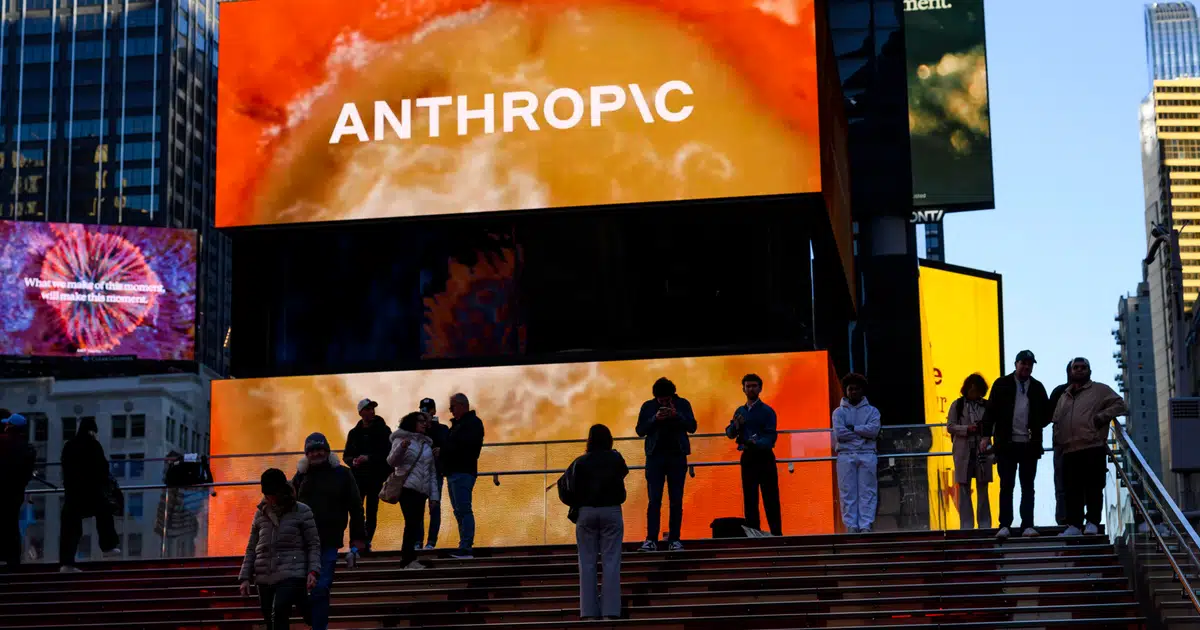
To the relief of the entire industry, Anthropic pulled off the biggest IPO in history, raising US$81.3 billion. Many had considered such a feat impossible, given that the Nasdaq is in the middle of a tech selloff.
While the evening started strong, with Anthropic’s stock jumping as high as US$115, the downward momentum caused by the sell-off eventually caught up. The company finished the night at US$97.2, still higher than its US$83 offer price.
That is a successful first day, even if it also shows that investors’ worries about AI spending and returns have not gone away. Many were hoping a strong debut would return confidence to the markets; instead, what they got were mixed signals.
But I was curious about how this “good news” would travel to Southeast Asia. Would a showing of confidence in the US market make it easier for AI startups in the region to raise money?
I’m skeptical that the IPO changes much. Anthropic’s listing shows that US investors are willing to back the company at an extraordinary scale, but Asian investors have different priorities. For them, access to paying customers and viable exits matter more.
There is an argument for some optimism, though.
Jussi Salovaara, Antler’s co-founder and Asia managing partner, expects Anthropic’s success to help investment funds find their way back into the region.

“A listing of this size puts money back in investors’ hands, including in Asia,” he says. “We expect capital to return to Asian VC funds, and that means more opportunities for Asian startups.”
Salovaara expects these funds will materialise from earlier investments in Anthropic. Singapore’s sovereign wealth fund GIC, for example, co-led Anthropic’s US$30 billion funding round in February, having already invested in an earlier round, which included investments from family offices and other stakeholders. The returns on those funds will likely be reinvested in new funds, which will then be used to fund more startups.
But the downside is that those returns will not become available on listing day. Most of the initial offering from Anthropic’s listing consisted of new shares, with the proceeds going directly to the company. Existing shareholders also face restrictions on when they can sell.
That said, GIC intends to continue investing in Anthropic beyond the IPO.
Salovaara advises Southeast Asian founders to stay capital-efficient in the meantime.
Not everyone agrees that the region will stand to benefit from the listing.
Anand Roy, co-founder and CEO of Singapore-based AI music startup Wubble, calls Anthropic’s debut a “significant game-changer in the financial sector.” But he doubts that it will “meaningfully improve regional funding conditions,” because even when investors have money to deploy, Southeast Asia still has to make its case as a good bet.
He points out that the lack of notable or consistent exit options in the region is also an issue.
Vidit Agrawal, vice president for Asia Pacific at US fintech firm Circle, expects much of the capital returned to Anthropic’s investors to go into startups in the US and other Western markets.
He adds that this will not improve the customer problem in Southeast Asia. Many businesses willing to pay for AI – or the people making those purchasing decisions – are still in the US, which means Southeast Asian VCs have to be able to help local startups reach US customers.
Some founders believe that the successful listing by a US company on the US stock market will only draw more investor attention towards the US. Joseph Simbar, co-founder of Indonesian AI startup Mimin, worries investors will have less incentive to look at Southeast Asia, adding that this could accelerate the trend of local founders moving to the US to build and raise money.
Others believe that the IPO could still have a direct impact on businesses in Southeast Asia, but in a different way. Partha Rao, co-founder and CEO of Singapore-based Pints AI, expects public-market scrutiny to put more pressure on Anthropic’s financial performance.
“I think we should expect pricing and terms to move up,” he says.
He anticipates changes to Claude’s free tiers and usage limits, and, potentially, API pricing. Rao also expects businesses to examine their dependence on individual model providers more closely.
Anthropic’s IPO filing gives some context for that concern. Revenue reached US$33.2 billion in the first nine months of 2026, while its operating loss narrowed to US$1.3 billion from US$5.2 billion a year earlier. Investors will push for that trend to continue.
That may not be easy, as while Anthropic’s business is growing, its computing bill remains substantial. The company also warns that bringing new compute capacity online can put pressure on margins before the associated revenue arrives.
This could offer an unexpected benefit for the region’s data centers and neoclouds. New US chip restrictions are already raising questions about Southeast Asia’s AI ambitions, but Anthropic’s listing and the associated growth expectations could help keep demand for the region’s compute.
Chris Miglino, CEO of Nasdaq-listed neocloud Axe Compute, thinks otherwise. He tells my colleague Pranav that while Anthropic’s strong debut could improve sentiment, lenders will still focus on customer contracts, power access, and whether projects can use the capacity they build.
Worse, he expects that a weaker share price could raise scrutiny or borrowing costs, particularly for projects without committed customers.
Miglino believes that data center buildouts will still depend on confirmed demand, available power, and the economics of bringing capacity online. “In Asia, those local conditions will matter more than one stock’s first day of trading,” he notes. TECH IN ASIA