
The budget is out, and the property industry has concerns.
UK Chancellor John Healey avoided a bond-market shock with his “breathing space” budget, and the immediate financial-market reaction was reassuring. Gilt yields did not spike, avoiding an outcome that could have pushed financing costs up even further.
However, investors were left waiting for measures capable of bringing borrowing costs down and stimulating new development.
The budget also delivered limited progress on development viability, while business rates measures offered some relief to high street occupiers without delivering the structural reform sought by many property owners.
But new proposed tax rules for sovereign investors, which threaten to make the UK less attractive to global property capital, caused a sharp intake of breath.

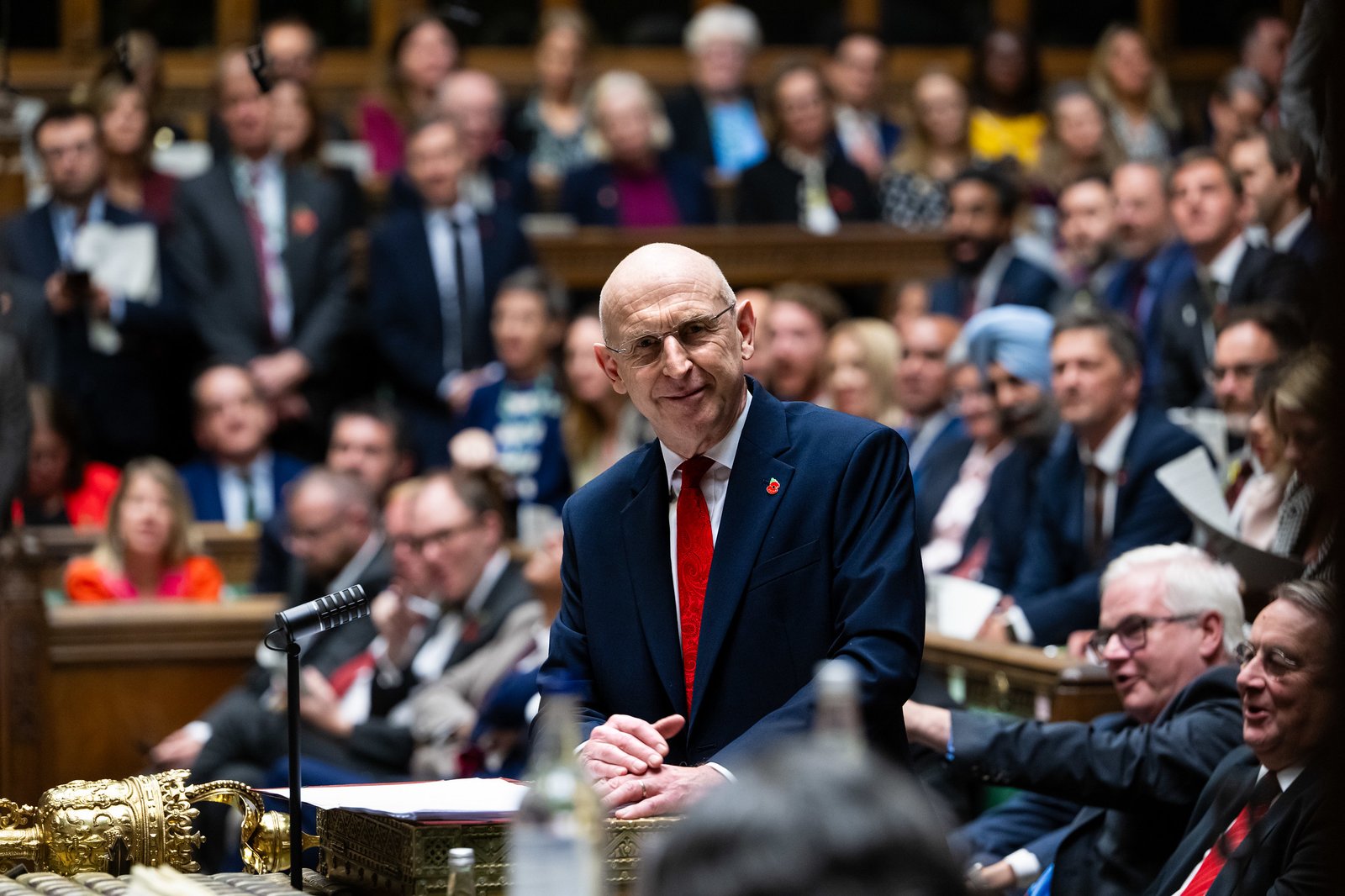
Chancellor John Healey succeeded in placating bond markets, but the property sector raised concerns over sovereign taxes.
The government has launched a consultation over its proposal to replace the largely noncodified sovereign immunity from direct taxation with a statutory regime from 1 January 2029.
Certain UK property income and capital gains would become taxable, although the reforms include bespoke access to the real estate investment trust regime, with a 15% tax rate on qualifying property income distributions. State-operated overseas pension funds and certain investment management activities would remain exempt.
The government claimed the reforms would improve transparency and provide greater certainty for sovereign investors, but many in the property industry worry it could weaken the UK’s appeal to investors.
“It’s a really unhelpful change,” Real Estate:UK Assistant Director of Finance Rachel Kelly said.
She said the proposal introduces additional costs for a significant source of real estate investment while development viability is already under severe pressure.
Sovereign wealth funds invested £6.2B in UK property from 2021 to 2024, according to a March report from BPF and CoStar.
Although the proposed REIT arrangements and transitional provisions offer some flexibility, the new 15% rate would be a significant increase for qualifying sovereign investors accustomed to paying no tax.
It also adds an onerous process.
“In addition to the actual additional cost now of investing in the UK for those investors, there will be huge complexity in terms of having to restructure their investments, and there will be a lot of work for some to change how they’re structured,” Kelly said.
The implications extend beyond the funds themselves. Sovereign wealth funds frequently invest alongside other capital providers, meaning changes to their investment structures could affect co-investors and joint ventures too, Moorfield CEO Charles Ferguson-Davie said.
He said the reforms risk sending the wrong signal.
“There aren’t that many groups that will deploy over £500M, over a billion,” Ferguson-Davie said. “If they’re going to be less active as a result of having to pay tax, who’s going to step in and invest that money instead?”
CBRE Investment Management is looking to understand the rules in more detail during the consultation, Director Alex Lund said. But he expressed optimism that the policy won’t decimate investment.
“For any market looking to attract overseas capital … taxes and the need for a level playing field for domestic and international investors are very important,” he said. “But many investors are already in the UK, which is a large, deep and transparent market, so we would remain positive while looking at the consultation carefully.”
Ferguson-Davie said the wider economic benefits of attracting large-scale investment should be part of the government’s calculations, rather than focusing solely on the tax revenue generated.
He said the string of regulatory or tax burdens added to the private rental sector over the last few budgets show the danger in the government’s thinking.
“You can understand the political motivation, but it has already led to a lot of sales and exits from the market,” Ferguson-Davie said. “I’m not sure it’s all necessarily ending up benefiting the renter.”
Instead, supply and development have both fallen, and that pushes rents up. He said the new budget will encourage the sale of buy-to-lets, which could benefit the institutional build-to-rent sector — but it doesn’t actually solve any problems.
“What the BTR community needs, indeed the housing sector needs, is more incentives to help bring down the cost of development,” he said. “If we’re going to have a meaningful change in terms of new houses delivered for sale and for rent, we need the regulatory and tax burden reduced, because otherwise it’s just going to get worse.”
BTR construction starts have fallen 63% in the last year, with only 4,696 groundbreakings in September, versus 12,674 the year prior, according to Savills data for RE:UK.
“Investors needed more than a pause in policy changes,” Kelly said.
The budget’s business rates package provided more immediate support for retail, hospitality and leisure businesses. However, Kelly said the chancellor again failed to deliver meaningful long-term reform.
While the absence of another proposed surcharge on higher-value commercial property was welcome, RE:UK has called for the existing surcharge to be repealed and the tax system changed to make investment and refurbishment more attractive.

Bond markets remained stable after the “breathing space” budget.
The budget’s impact on London will be mixed, Knight Frank partner and Head of London Research Shabab Qadar said in a statement.
The temporary increase in the bank surcharge could dampen a tenant pool that drives London’s global competitiveness, he said. And the policies do nothing to make more development more viable.
“We would have liked to see more to unlock private capital, support the delivery of new commercial space and give London greater certainty over the infrastructure needed,” Qadar said.
But overall, with the scars of the infamous Liz Truss budget still fresh in the memory, the industry appears predominantly relieved that it was not a Halloween horror for borrowing rates.
“From a real estate perspective, it was important that it did not add to market volatility or move the needle, and so we’re pretty positive about stability,” Lund said.
Ferguson-Davie concluded it had largely achieved its apparent objective by not spurring an adverse reaction from the bond market, but it did not introduce measures likely to bring gilt yields down.
“Lower yields would be a more fundamental catalyst for UK property investment, because they would improve valuations and help more development schemes become viable,” he said.
But Lund said even with elevated rates, there are deals to be had, especially for equity investors who can make “careful, asset-based acquisitions.”
“There are some good opportunities out there, but they need to be priced for today, not yesterday,” Lund said.
The immediate question remains whether the government can create the conditions for capital to commit, and that will also be shaped by monetary policy. Oxford Economics expects the Bank of England to raise the bank rate by 25 basis points to 4% at its 5 November meeting and has forecast one further 25-basis-point increase, and it warned that the risks are tilted toward tighter policy.
“One of the few bits of good news coming out of the budget is that it hasn’t spooked the market, and that’s obviously really important for investors, both at home and overseas,” Kelly said.
“But it really was the time for government to step up to make sure that we see housing delivery and construction coming through. There’s a real risk that if government doesn’t do anything to support viability, this crisis is just going to continue.”