
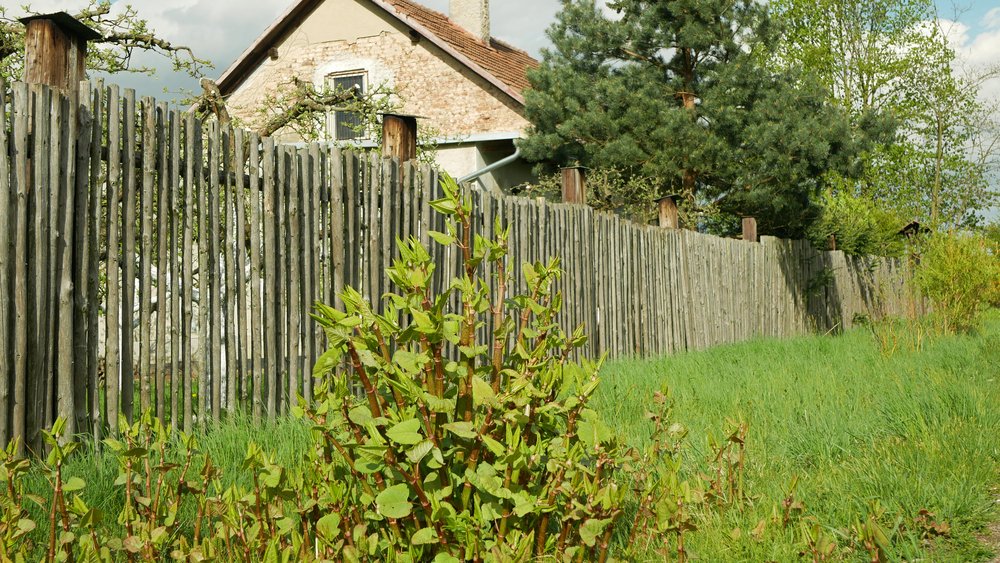
The blight of Japanese knotweed is wiping an estimated £21.4 billion from the value of the UK housing market, with more than 1.5 million homes affected, according to new research from invasive plant specialist Environet.
Research conducted with Censuswide in January 2026 indicates that 7% of the UK’s homes – more than 1.58 million properties – are impacted by the invasive plant. Property values are typically reduced by around 5%, equivalent to £13,500 per home, highlighting the significant impact on the nation’s housing wealth.
Mortgage lenders will typically refuse loans against properties with knotweed unless there is a professional knotweed management plan in place with an insurance-backed guarantee. Sellers are also legally required to declare its presence, which can deter buyers even after an infestation has been treated. This ongoing “knotweed stigma” continues to weigh on saleability and property values.
Separate research conducted by Environet with YouGov found almost a third (32%) of British adults would not buy a property impacted by Japanese knotweed under any circumstance, while 31% would consider it if there was a professional treatment plan in place and an appropriate discount on the price.
In response, sellers are increasingly moving away from cheaper herbicide treatment, which controls but does not fully remove the plant, opting instead for excavation where the root system is dug out of the ground.
Environet’s data shows a clear shift over the past decade, with more homeowners opting to remove knotweed permanently in a bid to preserve property values and make their property easier to sell. In 2015, 74% of customers opted for herbicide treatment, compared with just 49% in 2025 – a drop of 25 percentage points.
Emily Grant, director at Environet, said, “For most people, their home is their biggest asset, yet over 1.5 million households are seeing their property value undermined by knotweed. Despite the fact knotweed is now much better understood than it was a few years ago, and many people are now quite pragmatic about it, a significant proportion of buyers still won’t touch an affected property under any circumstance.
“As a result, we’re seeing a clear shift towards permanent removal of knotweed, particularly where a sale is on the horizon and the priority is preserving value and avoiding delays.
“The key for homeowners is early identification and professional management. With the right management plan and guarantees in place, the impact on value and saleability can be managed. Ignoring the problem or attempting a DIY removal will almost always cost more in the long run.”
Andrew McColl, Chairman of the Residential Property Surveyors Association (RPSA) said: “Discovering Japanese knotweed can have significant financial implications, as removal and management plans are often costly and may require anywhere from five to ten years to fully implement. By ensuring you have accurate information before exchanging contracts, you can better anticipate and mitigate these expenses and potential complications, particularly those that may arise when dealing with lenders.”
Japanese knotweed costs the UK economy over £245 million every year, according to a 2023 report by CABI (Centre for Agriculture and Bioscience International). While some reports of the damage it can cause have been overstated, the plant spreads rapidly and can grow through asphalt, patios, cavity walls, drains and cracks in concrete. The knotweed growing season is now underway and it will grow rapidly over the next few months, with mature plants reaching up to three metres in height by late summer.
According to data from Environet’s live Japanese knotweed heat map, Exposed, which is populated with over 100,000 known incidences of knotweed across the country, Bristol, Merseyside, Greater Manchester, Greater London and Lancashire are among the worst affected areas. On average, there are 1.1 occurrences of knotweed per square mile of England, rising to 3.9 in Wales.