
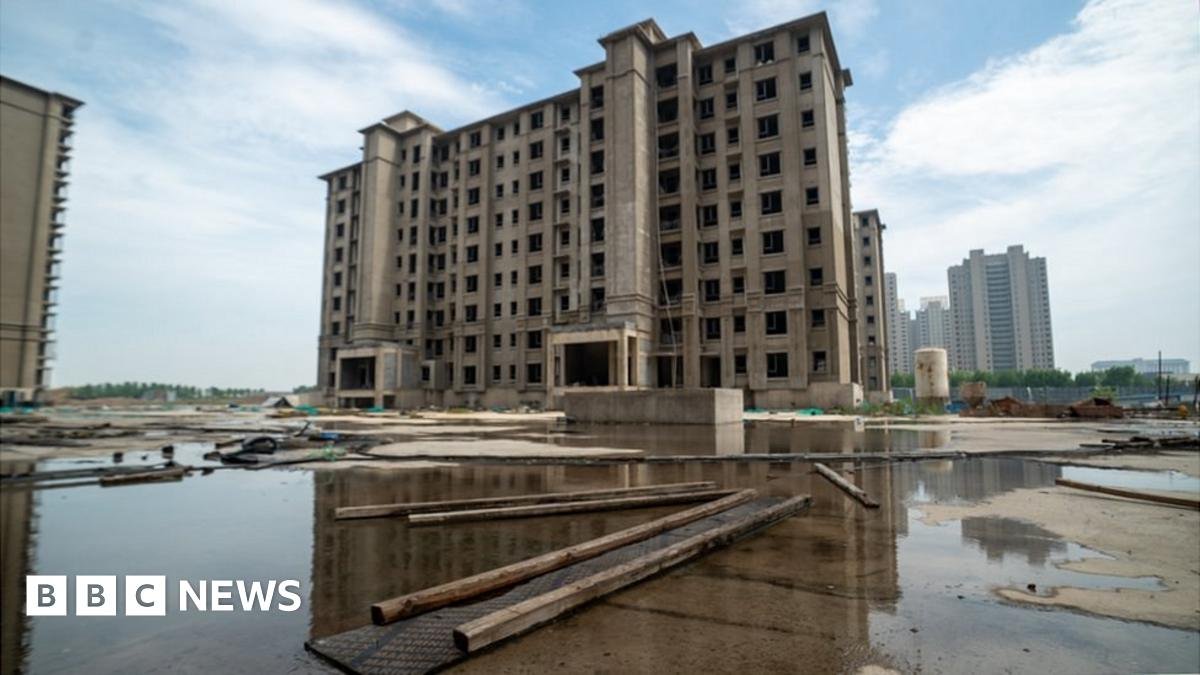
What’s more, this supply and demand problem isn’t unique to this area. It isn’t even unique to this city. In province after province across China, evidence pointing to the danger of a property bubble is easy to find.
One reason for rampant real estate speculation in this country has been a lack of other options for investment. But the boom in real estate drove house prices out of the reach of ordinary families in many big cities. The government response was to cap the number of flats any person could buy.
It was a genuine attempt at an egalitarian reform, but pressure is now coming to reverse this. In Qingdao, such measures have already been eased, in an attempt to stimulate its stalled real estate market.
The challenge for Chinese policymakers is to find a way to wean this economy off such a heavy reliance on property sales to generate growth and business confidence.
Economists like Harry Murphy Cruise, from Moody’s Analytics, think China is facing significant problems.
“China’s economy is in desperate need of rebalancing,” he tells the BBC from Australia. “It’s had that massive period of growth over the last two or three decades from big infrastructure building, from a massive uptick in the property market that is actually not a sustainable growth driver going forward.
“Look around the world, developed economies need households as a key driver of economic growth, and that is just not what China has at the moment.”
The Chinese government is considering ways to promote more spending by individuals and by businesses from interest rate cuts to cash handouts.
But the problem is sentiment.
People will feel more secure when there are more jobs. Businesses need to invest to create more jobs, but they are reluctant to do so while customers are so insecure.
As Harry Murphy Cruise puts it: “It’s sort of like the chicken and the egg. You can’t have that uptick in the economy unless you have business spending. They’re not spending until they see that uptick. So, there’s a stalemate that’s really holding back a key portion of the economy.”
Then there’s the chance that all of this will bleed into global trade.