
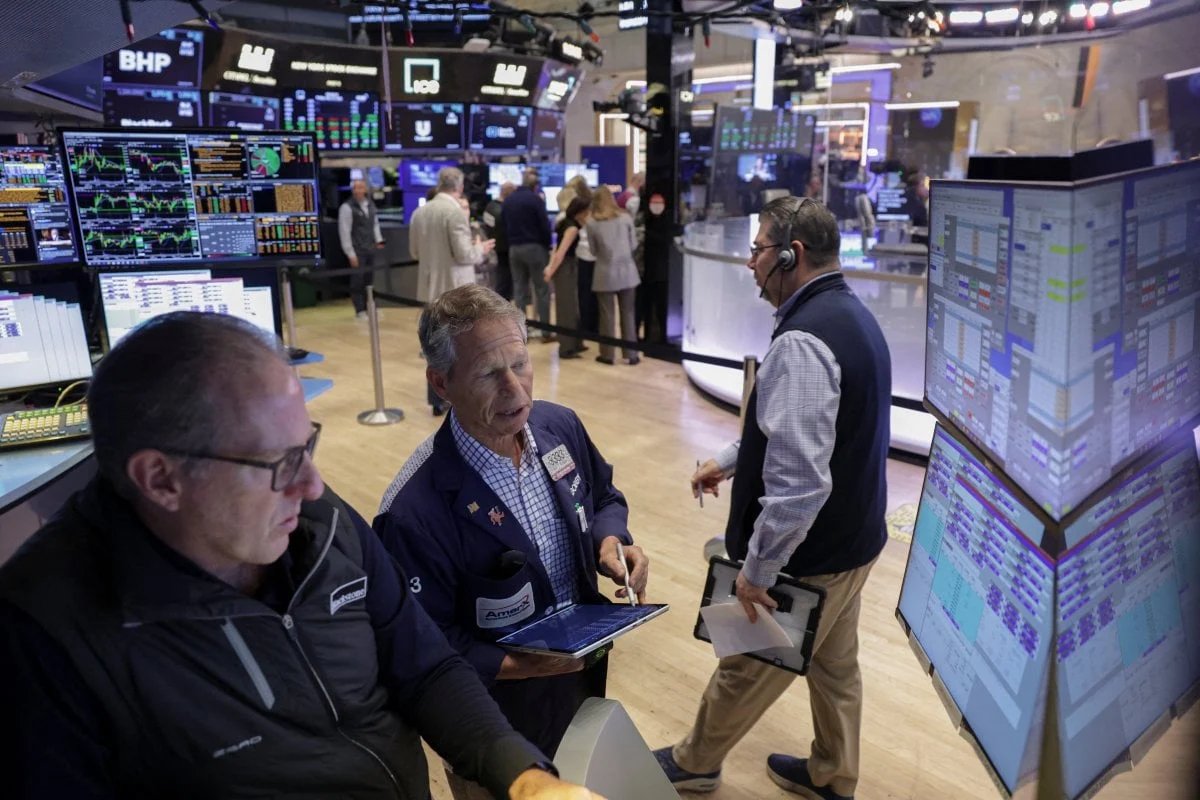
Investing.com — U.S. stocks were mostly holding on to gains on Tuesday amid falling and , a day ahead of key inflation data and artificial intelligence poster child ’s quarterly results.
At 10:15 ET (14:15 GMT), the benchmark S&P 500 added 0.2% to 7,670.09 points, the tech-heavy rose 0.6% to 26,124.16 points, and the blue-chip advanced 0.1% to 53,478.59 points. Get fresh stock market insights with InvestingPro – now 55% off
The S&P and Nasdaq both slipped in the prior session, weighed down by a retreat in semiconductor shares, as worries remained around the sustainability of lofty AI stock valuations.
Denting sentiment was the return of trade tensions between the U.S. and Canada. A fresh deal to avert sweeping 50% U.S. tariffs on a wide range of Canadian goods failed to materialize, leading Ottawa to vow to impose dollar-for-dollar retaliatory levies. However, as analysts at Vital Knowledge noted, these duties will not go into effect for a few more weeks, leaving time for potential negotiations, while the White House’s threatened tariffs on all Canadian automotive, truck, and steel exports has been deferred until January 2027.
Meanwhile, Treasury Secretary Scott Bessent used a much-anticipated press conference on Monday to launch new economic sanctions on Iran, as Washington aims to isolate the Islamic Republic.
Bessent described the moves as an “economic onslaught against Iran’s financial connections” around the world that will disrupt the ability of Tehran’s “enablers” to keep it afloat.
He added that President Donald Trump is requesting that other countries make “specific requests to cease their interactions” with Iran, who has been at war with the U.S. since Washington and Israel began a joint assault in late February.
Iran, for its part, played down Bessent’s comments, saying that it has been expecting such plans and is prepared to deal with them.
Investors appeared to take the developments in stride. “Markets started the last week of August in a mixed mood, with bonds supported by a decline in oil prices as the U.S. announcement of economic pressure against Iran didn’t deliver material new measures,” analysts at Deutsche Bank noted.
The main focus, however, is likely to remain on Nvidia, which is due to report second-quarter fiscal 2027 results after the closing bell on Wednesday. The chipmaker’s outlook will be closely watched for justification of massive spending on AI infrastructure.
Investors on Wednesday will also receive July data, widely seen as the Federal Reserve’s preferred measure of inflation. Tuesday’s economic calendar was highlighted by the Conference Board’s gauge on consumer confidence for August, which ticked down to 89.4 from 90.2 in July. Economists had expected a reading of 90.3.
The begins Thursday, with Fed Chair Kevin Warsh scheduled to speak on Friday, potentially offering clues on the path for interest rates.
Ayushman Ojha and Scott Kanowsky contributed to this article