
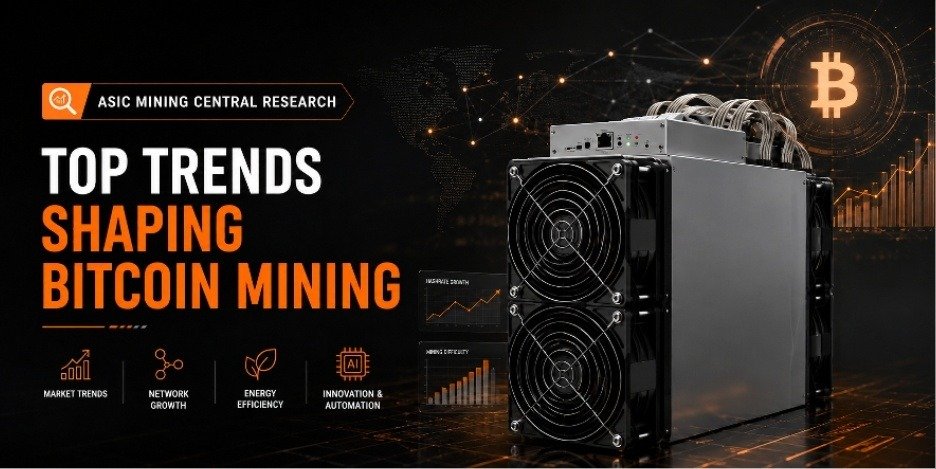
Bitcoin mining continues to evolve as technology, energy efficiency, and infrastructure improve around the world. What started as a niche activity has become a global industry supported by advanced hardware, specialized facilities, and professional operations. As more regions adopt digital infrastructure and energy solutions improve, mining continues to attract attention from businesses, technology enthusiasts, and investors alike.
Today, mining is no longer just about generating more computing power. Success depends on efficiency, reliability, cooling systems, operational planning, and access to quality equipment. These factors are shaping how mining operations develop across North America, South America, Europe, the Middle East, Asia, and Australia.
As the industry matures, many operators are focusing on deploying ASIC Miners because of their ability to deliver specialized performance for the SHA-256 algorithm. Compared to general-purpose hardware, these machines are designed to maximize computational efficiency while maintaining consistent output.
The Shift Toward Higher Efficiency
One of the most important trends shaping the industry is the growing focus on efficiency. Electricity remains one of the highest operating costs for mining facilities. As a result, operators are increasingly looking for hardware that delivers strong performance while using less energy.
Efficiency is often measured by the relationship between power consumption and computational output. Modern hardware improvements allow operators to process more work while consuming less electricity than previous generations of equipment.
This trend is especially important in regions such as Texas, Alberta, Iceland, Norway, Paraguay, and the United Arab Emirates, where energy availability and operating conditions play a major role in mining decisions.
Why Cooling Technology Is Becoming More Important
Heat management has become a major focus for mining operations around the world. As hardware becomes more powerful, cooling systems must become more effective to maintain stable performance.
Air Cooling Remains Popular
Traditional air-cooled systems continue to be widely used because they are familiar, easy to deploy, and relatively simple to maintain. Many small and mid-sized facilities still rely on air cooling as their primary thermal management solution.
Growth of Hydro Cooling
Hydro cooling is gaining attention because it can remove heat more efficiently than traditional air cooling. This allows machines to operate in environments where temperature control is critical.
Immersion Cooling Expands
Some larger facilities are exploring immersion cooling systems where hardware operates inside specially designed cooling fluids. These solutions can improve efficiency while reducing noise and extending hardware lifespan.
The Rise of Professional Mining Facilities
Mining has gradually shifted from hobby-based operations toward professionally managed facilities. Dedicated infrastructure, advanced monitoring systems, and optimized energy management have become common features of large-scale operations.
Professional facilities often focus on:
- Stable power distribution
- Environmental controls
- Hardware monitoring
- Preventive maintenance
- Long-term operational planning
This approach helps reduce downtime and improve overall operational efficiency.
Hardware Reliability Matters More Than Ever
Raw performance is important, but reliability has become equally valuable. Unexpected downtime can affect productivity and operational planning.
Operators now evaluate hardware based on:
Long-Term Stability
Machines that maintain consistent performance over extended periods are often preferred.
Maintenance Requirements
Simpler maintenance procedures reduce operational interruptions.
Component Durability
High-quality components help equipment withstand continuous operation in demanding environments.
Because of these factors, buyers often look beyond specifications and evaluate how machines perform under real-world conditions.
Data-Driven Operations Continue to Grow
Mining operations increasingly rely on data to improve decision-making. Advanced monitoring tools allow operators to track performance metrics in real time.
Important metrics include:
- Hashrate performance
- Power consumption
- Temperature levels
- Fan operation
- Network connectivity
- Equipment uptime
By monitoring these metrics continuously, operators can identify potential issues before they impact performance.
Global Expansion Creates New Opportunities
Mining activity is no longer concentrated in a few locations. New regions continue to emerge as attractive destinations due to energy availability, favorable climates, and growing infrastructure.
Countries across Latin America, North America, Europe, Central Asia, and the Middle East are attracting attention from operators seeking stable operating environments.
This geographic diversification helps strengthen the industry’s resilience by reducing dependence on any single region.
The Importance of Sustainable Energy Sources
Energy discussions remain central to the future of mining. Many operations are exploring ways to use energy resources more efficiently while reducing waste.
Some facilities are located near renewable energy projects, while others utilize surplus electricity that might otherwise go unused. These approaches help improve overall resource utilization and contribute to more sustainable operational models.
The industry continues to experiment with innovative energy partnerships that support both infrastructure growth and energy efficiency goals.
Smarter Hardware Selection
Choosing the right equipment has become more strategic. Operators evaluate hardware based on several factors instead of focusing on a single specification.
A Bitcoin Miner may be selected based on efficiency, cooling compatibility, facility requirements, energy costs, and long-term operational objectives. This broader evaluation process helps operators build more sustainable and reliable operations.
Buyers are also paying closer attention to lifecycle costs rather than only considering initial acquisition decisions.
Better Access to Industry Research
As the industry becomes more sophisticated, access to educational resources has become increasingly valuable. Research reports, technical guides, and comparison studies help operators understand changing trends and evaluate new technologies.
Reliable information helps reduce uncertainty and supports better planning. Industry resources provide insights into hardware performance, operational strategies, efficiency improvements, and infrastructure development.
Organizations such as ASIC Mining Central contribute to this knowledge ecosystem by helping operators understand industry developments and evaluate evolving hardware technologies.
What the Future Direction Suggests
Several clear patterns continue to emerge across the mining industry. Efficiency remains a priority. Cooling technologies continue to improve. Professional infrastructure is expanding. Data-driven management is becoming standard practice. Geographic diversification is increasing, and operators are paying closer attention to long-term sustainability.
These trends suggest that mining will continue evolving toward greater efficiency, reliability, and operational maturity. Rather than focusing solely on computational power, successful operations increasingly depend on balancing performance, energy management, cooling systems, and infrastructure planning.
Conclusion
Bitcoin mining continues to develop as a technology-driven industry supported by innovation, research, and operational improvements. The most significant trends involve efficiency, cooling advancements, professional facility management, sustainable energy strategies, and data-driven decision-making.
As these developments continue shaping the industry, operators who understand both technical and operational factors will be better positioned to adapt. By focusing on reliability, efficiency, and informed planning, mining operations can continue evolving alongside the broader digital infrastructure landscape.
The trends identified through ongoing research highlight a simple reality: successful mining increasingly depends on smart decisions, efficient systems, and a strong understanding of how technology and infrastructure work together.