
Unlock the Editor’s Digest for free
Roula Khalaf, Editor of the FT, selects her favourite stories in this weekly newsletter.
A brand-new trading bell was brought back to the London Stock Exchange this week to mark the 40th anniversary of the Big Bang reforms that transformed the market.
The bell, made of bronze (the New York Exchange’s bell is brass), will now be rung at the market opening each day.
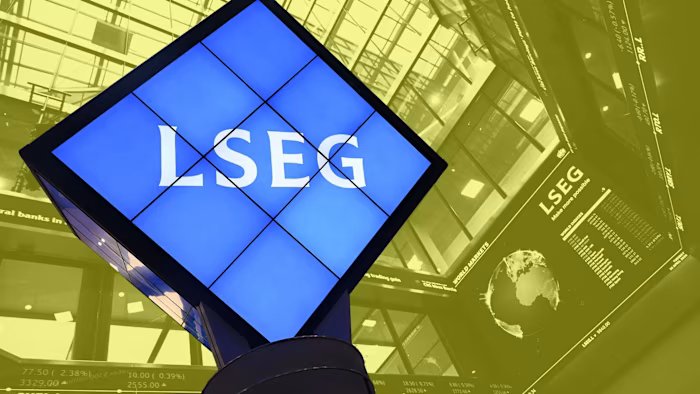
Four decades on from when the bell-ringing tradition was scrapped, equities trading constitutes only a small part of the London Stock Exchange Group’s business. It is primarily a data and analytics company, having transformed itself into a hugely successful technology company with the acquisition of Refinitiv five years ago.
It sells high-quality proprietary market datasets (which go back further than rival Bloomberg’s), analytics and services such as trading tools to financial institutions around the world. This is a business with a formidable moat and that helped drive its share price to a high of £121 last year.
But the tables were turned when investors grew concerned that LSEG and other information sellers such as Relx and Experian would be disrupted by AI. The worry has been that subscription revenues could shrink as clients turned to AI instead.
Those fears have receded following continuing strong performance at LSEG, including at its fixed-income and derivatives trading division, which is less vulnerable to AI, and the group’s arguments that the AI risks do not stand up.
AI cannot replicate its unique datasets, it says, while tight controls mean they cannot be downloaded. AI, it says, is enhancing its offering to clients by allowing them to automate their analysis. The group now works in partnership with Microsoft, and licenses its data to Claude and OpenAI. The purchase of illiquid- and private-credit data provider Octus underlines LSEG’s conviction that owning valuable information is the right strategy.
BUY: London Stock Exchange Group (LSEG) 9524p
Increased trading volume has helped London Stock Exchange Group raise its full-year guidance. In total, including equities, the markets business grew by 12.5 per cent as customers looked to access liquidity and manage risk, writes Arthur Sants.
Trading activity is inherently cyclical and the company needs a stable base. So LSEG’s data and analytics, FTSE Russell and risk intelligence businesses — which grew by 6.6 per cent year on year in the quarter — are particularly important. It recently agreed a $3.5bn acquisition of Octus, a New York-based private credit markets intelligence provider.
LSEG’s shares are flat over the past year, and its continued earnings growth means its forward price/earnings ratio has fallen to a manageable 18. Trading might be volatile, but its growing data analytics business will provide security when the downturn comes.
HOLD: Ultimate Products (ULTP) 49p
Ultimate Products is leaving behind the clearance business it was built on nearly 30 years ago to focus on its own brands, writes Valeria Martinez.
Sales of its own household goods brands, including Salter and Beldray, grew by 5.3 per cent and now account for nearly 90 per cent of revenue.
The impact on profits has been painful because clearance sales earned higher gross margins than the group average. The company also spent heavily restructuring its sales team in the hope of reviving UK sales.
Debt has moved in the right direction, though. Net bank debt fell to £8.6mn from £14.1mn a year earlier. But shareholders have suffered another dividend cut, this time by almost one-third.
At 8.6 times forward earnings, the shares are not expensive. But Ultimate Products still has a long way to go to prove it can turn its brand ambitions into profit growth.
SELL: Revolution Beauty (REVB) 4.5p
Revolution Beauty declared its turnaround “firmly on track” at the release of its interim results after its operating loss shrank from £16.7mn to £900,000, writes Erin Withey.
The make-up brand’s shares were suspended following audit delays and accounting issues.
The company has struggled with falling sales and rising competition from other budget beauty rivals in the years since.
The six months to August 31 represent the first full reporting period under new management, and some progress has been made. Operating costs fell by almost a third to £19.1mn, and better stock management helped reduce gross inventory by £3.3mn, to £30.8mn.
But revenue fell by 2 per cent year-on-year to £48.4mn and net debt, including leases, remained high at £26.4mn. The company continues to operate with a £32mn deficit of shareholder funds.