
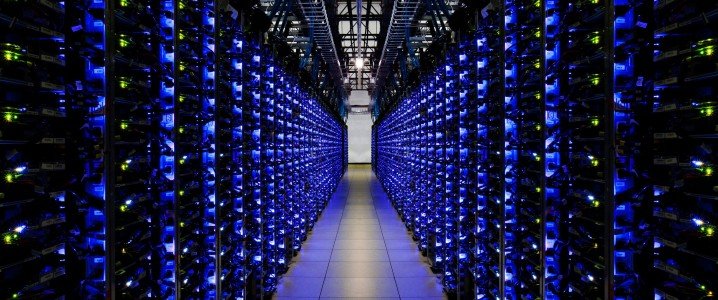
Ok, we are cynical. The current electric utility policy environment is not exactly what you would call a level playing field, fairly balancing corporate and public interests. Quite the contrary. Right now, we have highly profitable (and politically influential) corporations facing underpowered civil servants in diminished regulatory agencies. State regulators are in a position to grant data centers and possibly other enormous users of electricity the opportunity to milk huge subsidies from unsuspecting consumers. How? By putting these vast new power-generating resources in the utility’s rate base, thereby socializing these enormous incremental costs, facilitated by pro-business politicians.
Harvard researcher (Daniel Oberhaus, “How AI Could Be Raising Your Energy Bill, ” Harvard Magazine, July/August 2025) cites more evidence that utilities are making AI power deals whose terms are not public that burden the rest of their customers. One utility plans to build several large power plants to serve a long term contract with an AI site, put the plants in their regulated rate base, but so far, no details on apportionment of costs have been released. Another large utility has been accused of offering a cut-rate deal to an AI firm with the full expectation that the rest of its customers would make up the profit differential. Stated simply, residential utility customers would be subsidizing corporate or AI electricity usage. In addition, several AI centers announced deals in which they would take the output of existing deregulated stations. Those are perfectly above-board transactions, but not neutral to consumers who have to finance new power stations at current, relatively high prices to replace the output taken by AI. Just a guess, but we think that if AI adds 10% to system sales, it will add 30% to the fixed and capital costs of the utility, so if the AI firm gets a discount, who pays the higher costs? You guessed it.
Next, let’s consider a few wild thoughts.
For instance, might we be in an AI bubble, on par with the dot.com bubble and the power generator bubble, and way back, the bowling alley bubble? These economic or speculative bubbles burst because actual demand did not materialize to keep up with supply based on overly optimistic forecasts. As a result, entrepreneurs overbuilt or somebody came up with a better or cheaper product. “Of course”, you say, ”this time is different.” But someone always says that.
Let’s consider possibilities. First, the AI providers may have wildly overestimated electricity demand, which will leave a lot of underutilized AI data centers looking for ways to dodge those big power bills. Second, the Chinese will develop cheap, low powered AI related computer chips that make the US version look uneconomical. For example with electric vehicles, Tesla came first but Chinese auto makers have caught up fast and now offer superior products. As Andrew Carnegie supposedly and ungrammatically said, “Pioneering don’t pay.” Third, when quantum computing makes an earlier-than-expected appearance, will all those AI data centers become white elephants?
Mind you, we don’t object to building AI centers. Entrepreneurs should take chances and reap the rewards. We just object to making consumers subsidize this essentially speculative activity via their electric bills. Given the intricacies of the electric network, and cross subsidies in pricing, the divergence in cost between new and old plant, and the political pressure to give large corporations what they want via hidden extra charges in the customer’s electric bill, we suggest that there is only one way to protect consumers from what AI will do to the grid. That is by requiring that AI and similar power guzzlers build their own generation and networks. Put all these new expensive generating assets behind the meter so to speak. That means build, not snatch existing stations that consumers will have to replace. That way, data centers will pay full freight and consumers will only have to deal with all the other costs increasingly burdening the utility network.
By Leonard Hyman and William Tilles for Oilprice.com
More Top Reads From Oilprice.com