
Utilities are under increasing pressure to move distributed energy resources (DER) through interconnection queues more quickly. In many regions, review timelines have stretched from months into years as requests for solar, storage, and electric vehicle infrastructure continue to rise.
Much of the industry response has focused on policy—queue reform, hosting capacity analysis, and process improvements. Those efforts are necessary. But within utility engineering teams, another constraint is becoming harder to ignore: the time required to convert field data into engineering-ready inputs.
COMMENTARY
It’s a small step in theory, but in practice it can shape how quickly interconnection decisions get made.
More Data, Slower Decisions
Over the past decade, utilities have significantly improved how they collect infrastructure data. Drone inspections, LiDAR surveys, and routine field documentation now produce detailed records of distribution assets.
But engineering workflows don’t run on images or raw datasets. Interconnection studies depend on structured inputs—attachment heights, conductor spans, equipment loading, and the relationships between components on a pole.
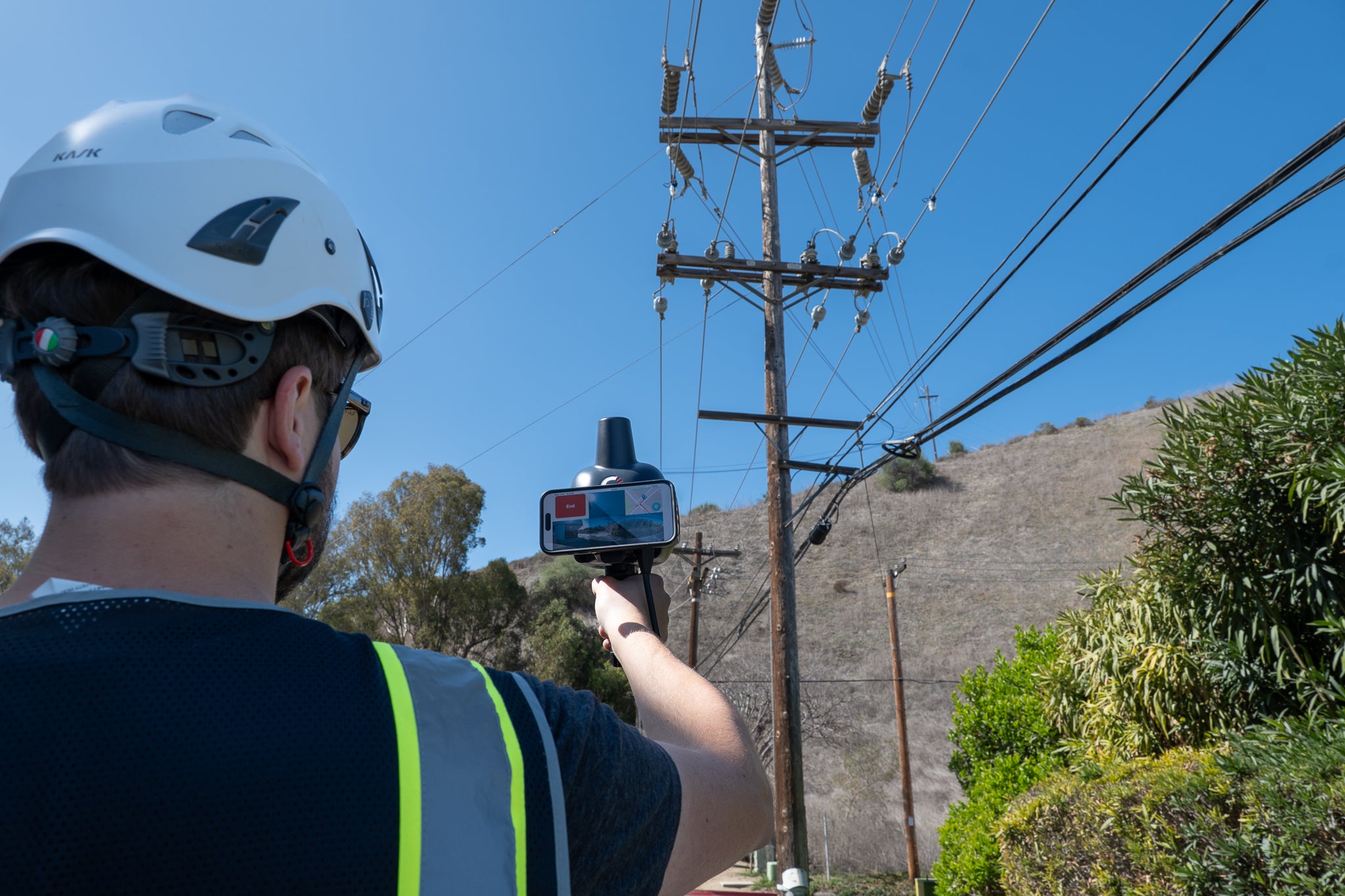
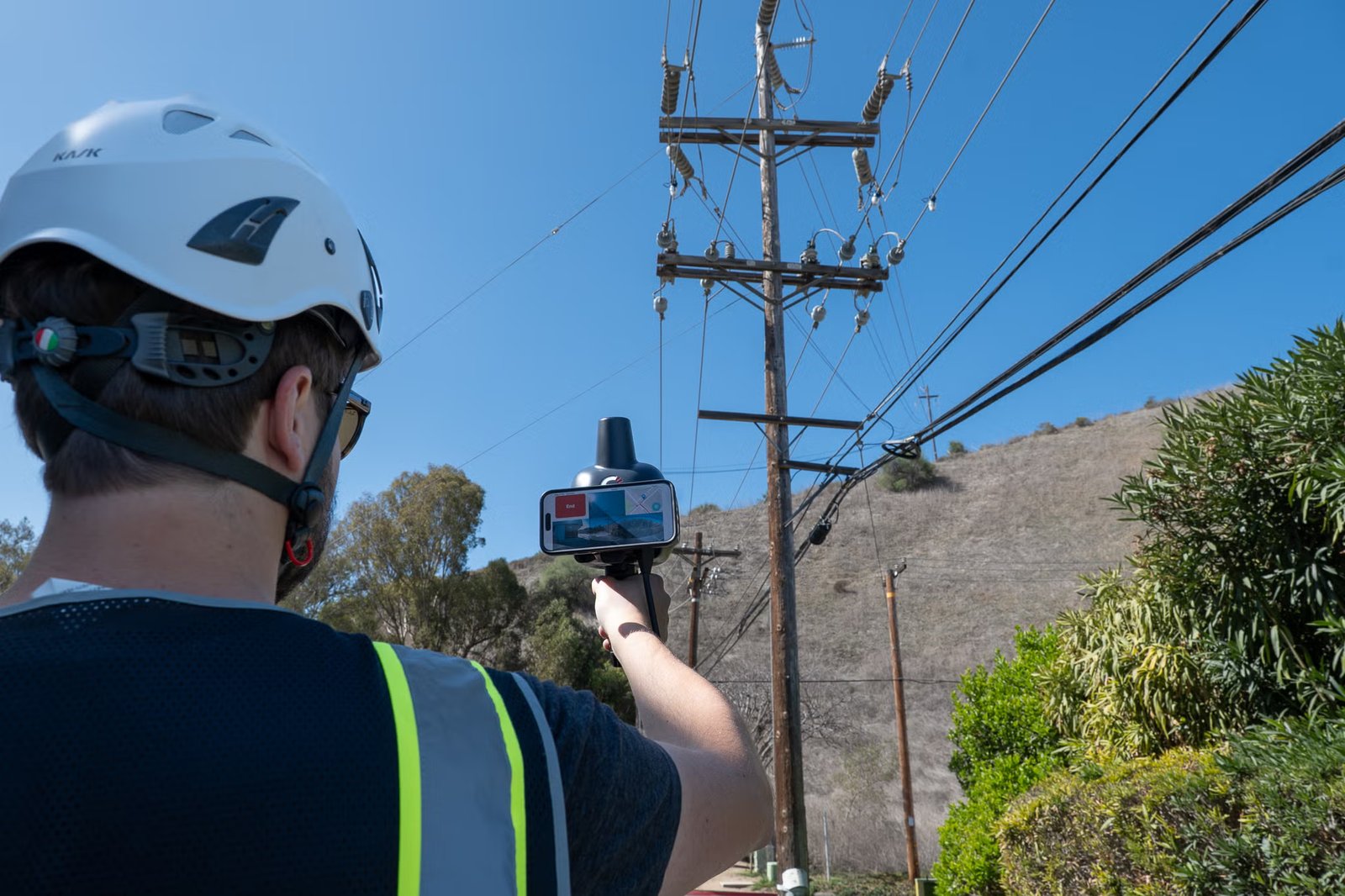
Before analysis can begin, that information has to be extracted, checked, and formatted. In many cases, that process is still manual. A typical workflow may involve time in the field collecting measurements, followed by additional time in the office reconstructing a usable model. Generating a single pole model can take 20 to 30 minutes when field capture and office processing are combined. Across hundreds or thousands of structures, that time adds up quickly.
Utilities have become very good at collecting data—but not necessarily at using it quickly.
Where the Delay Shows Up in Interconnection
For DER interconnection, this gap directly affects timelines. Each project requires engineering review to confirm that existing infrastructure can safely support new equipment or changes in load. That review often depends on pole-level structural analysis, particularly in areas with existing attachments or limited capacity.
As interconnection volumes increase, so does the number of these evaluations. In practice, many engineering teams report spending a significant portion of their time preparing data before analysis can even begin—building pole models, validating measurements, and reconciling multiple data sources. In some cases, engineers spend more time reconstructing inputs than running the structural checks needed to move projects forward.
Individually, these steps are routine. At scale, they become a constraint. When infrastructure data isn’t immediately usable, engineers have to bridge that gap first. That work may not appear in formal interconnection timelines, but it directly influences how quickly projects move through review.
As volumes grow, those incremental delays stack up—contributing to longer queues even when formal processes remain unchanged.
Why This Constraint Matters Now
Historically, this wasn’t a major limitation. Inspection cycles were longer, and the pace of change on the distribution grid was relatively steady.
That’s no longer the case. Electrification is increasing demand on local circuits. DER adoption is accelerating. Telecommunications attachments continue to expand. And utilities are being asked to process more interconnection requests—often within tighter timeframes.
All of this increases the volume of engineering work. When workflows rely on manual data preparation, higher volumes tend to translate directly into longer timelines.
In this context, interconnection delays are not only a function of policy or infrastructure capacity. They are also shaped by how efficiently engineering teams can move from field data to analysis.
What Leading Utilities Are Doing Differently
Utilities are beginning to focus not just on how data is collected, but on how it is created for engineering use. Advances in reality capture and computer vision platforms that convert imagery into engineering-ready models are making it possible to generate structured infrastructure data directly from field capture.
Instead of documenting a pole and interpreting it later, these approaches produce outputs that align more closely with the inputs required for analysis.
This shift does not eliminate engineering judgment. But it can significantly reduce the time spent preparing data before analysis begins.
- In early deployments across distribution utilities, teams report:
- Faster turnaround from field capture to engineering review.
- Reduced time spent building and validating pole models.
- Fewer repeat site visits to confirm field conditions.
- More consistent inputs across engineering teams.
These improvements allow engineering teams to focus more of their time on analysis and decision-making—rather than data preparation.
What Utilities Can Do Now
As interconnection volumes continue to grow, utilities can take practical steps to reduce workflow friction:
- Prioritize engineering-ready data: Align field capture methods with the specific inputs required for interconnection studies.
- Reduce manual reconstruction: Identify where engineers are rebuilding models from imagery or incomplete records.
- Standardize data inputs: Improve consistency across teams and service territories.
- Evaluate emerging tools: Explore solutions that convert imagery and field data directly into structured, analysis-ready models.
- Measure workflow constraints: Treat data preparation time as a measurable factor in interconnection timelines.
These steps do not require large-scale system overhauls—but they can meaningfully improve how quickly projects move through review.
A Bottleneck Utilities Can Address Today
Efforts to accelerate DER interconnection will continue to focus on policy, process, and infrastructure investment. Those areas remain critical.
But some of the most immediate opportunities sit within everyday engineering workflows—particularly in the steps required to make infrastructure data usable.
Utilities that reduce the time between data capture and engineering analysis are already seeing faster interconnection workflows—making this one of the most immediate, actionable levers available today. As DER adoption continues to accelerate, improving this part of the process may prove to be one of the most practical ways to keep projects moving.
—Christine Byrne is director of Corporate Communications at Looq AI, where she focuses on emerging technologies in infrastructure mapping and reality capture. Her work explores how geospatial innovation is reshaping asset digitization across the energy, telecommunications, and infrastructure sectors.