
PHOENIX — A deal has been reached over a measure that initially gave sweeping and potentially unconstitutional liability protections to the state’s electric utilities if their equipment sparked a wildfire.
The agreement eliminates major opposition from insurance companies and trial lawyers who fought the proposal being pushed by Arizona Public Service Co., Tucson Electric Power and other utilities. While giving utilities new protection, it still allows some lawsuits against them if their equipment sparks a major blaze.
The Senate gave initial approval to changes negotiated between lawmakers, utilities, opponents and the governor’s office on Tuesday. It now needs a formal vote before returning the House, which OK’d a more robust liability shield for power companies in February.
The deal ensures utilities get some new cover from lawsuits while still allowing people and businesses affected by wildfires to sue if utilities don’t abide by their own wildfire plans. It still has opposition from lawmakers, with two Democrats questioning it during debate, although they praised the work done to amend the measure.
The amendments to House Bill 2201, authored by Sens. J.D. Mesnard and Brian Fernandez, remove many liability protections remaining in the bill after earlier changes pushed by Mesnard, R-Chandler, stripped it of the most contentious and legally dubious provisions sought by utilities. They also restore the ability of people to win punitive damage awards from utilities.
Those changes also ensure the newly mandated wildfire migration plans utilities write actually do something and are reviewed and approved by experts at the state Department of Forestry and Fire Protection. Earlier provisions had the Arizona Corporation Commission reviewing plans for regulated utilities and the boards of public power entities like Salt River Project approving their own plans,
If utilities follow the new plans they will be assured they can’t be sued for failing to take steps needed to limit the risk that their equipment sparks a wildfire. While far from the sweeping liability shield originally sought by utilities, it’s still a major win for them if it is adopted.
“They’re still getting what they basically were looking for — a way that if they come up with a plan and they follow the plan that they don’t have to worry about that excess liability,” said Fernandez, D-Yuma. “And that’s what this is all about.”
APS and the other utilities faced opposition from trial lawyers and national insurers, groups that normally are at odds but united to oppose the initial proposal.
For insurers, the sweeping liability shield in the original proposal would have barred them from recovering money from at-fault utilities they had to pay to homeowners or businesses they cover whose properties were damaged or destroyed by a fire. Trial lawyers were against it because it originally made it virtually impossible to sue a utility for their clients.
Lobbyists for both groups told Capitol Media Services Tuesday they no longer oppose it.
“It went from one of the worst bills in the country to one of the better bills in the country,” said Marc Osborn, a lobbyist who represents Farmers, Geico, Nationwide and Allstate at the Capitol.
Sen. Lauren Kuby, D-Tempe, praised the work Fernandez and Mesnard did to develop a deal but still opposed the measure.
“Whereas it was a terrible bill before, its simply now a bad bill as far as public policy because it amounts to a huge gift to the utilities,’’ Kuby said. “It allows them to be negligent but not liable as long as they have a plan.’’
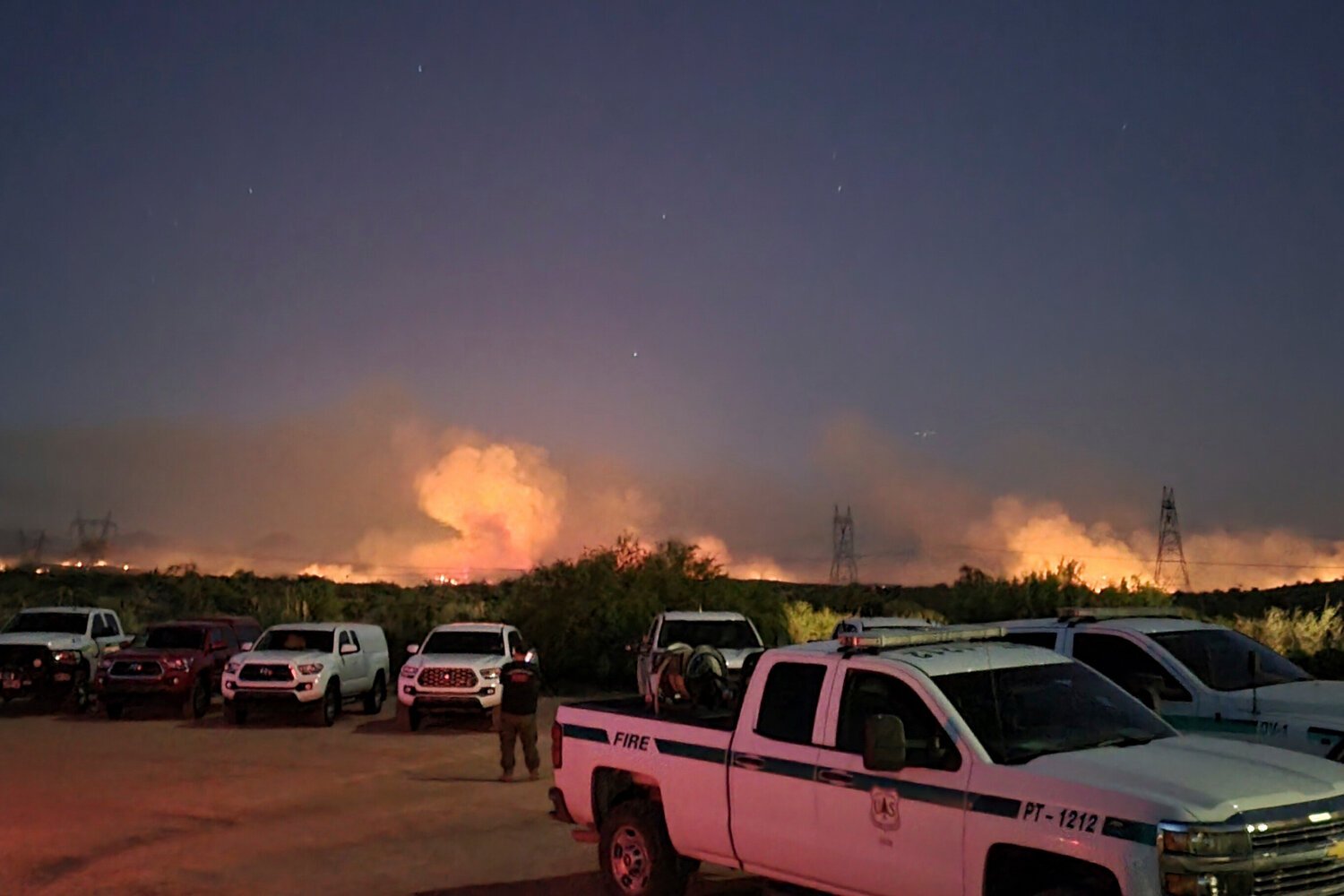
Utilities in California, Oregon and Colorado have faced massive lawsuits after their equipment was found or suspected to be the cause of forest fires that in some cases consumed whole communities. Pacific Gas & Electric Co. in California was forced to seek bankruptcy protection a year after its poorly maintained equipment sparked a 2018 fire that destroyed the northern California town of Paradise and killed 85 people.
That’s what APS and the other utilities fear — a massive wildfire that bankrupts the company.
APS, TEP and other utilities will still be subject to lawsuits if they fail to comply with new wildfire mitigation plans they’ll need to create. But if they do follow the plans, they can’t be sued for failing to follow “best practices.”
Gone from the initial bill that passed by the House in February are the far-reaching bans on punitive and other damages initially sought by utilities.
Mesnard said during floor debate Tuesday that utilities might be forced to take drastic action like shutting off power prematurely during high wind events if they didn’t get the new liability protections.
That could leave lots of people without power just because the utility is trying to protect itself from a potential lawsuit. Or, he said, the utility could decide to spend “a boatload of money” to upgrade equipment to avoid a fire and subsequent lawsuit — money ultimately paid by their customers.
“So that was the genesis behind the bill, is we don’t want to be facing that kind of crappy choice,” Mesnard said.
Mesnard acknowledged the initial version of the bill crafted by APS was far too generous to the utilities, a fact that led him and others to drastically amend it.
“But it really comes down to the fundamental question: If they fulfill a plan, if they follow the rules and everyone knows in advance what the rules are going to be, should we give them a little bit of grace?” Mesnard asked. “Because otherwise the cost will ultimately be paid by the ratepayer.”