
Cofounder and CEO of Bidgely, evolving energy analytics for utilities with the power of data and artificial intelligence.

Utilities are in a constant state of asset capacity and distribution planning—a critical balancing act between having enough energy generation to support demand and optimizing existing grid infrastructure. Utilities must also continually predict future electricity demand, taking into account factors like population growth, weather patterns, and economic trends—a task known as load forecasting.
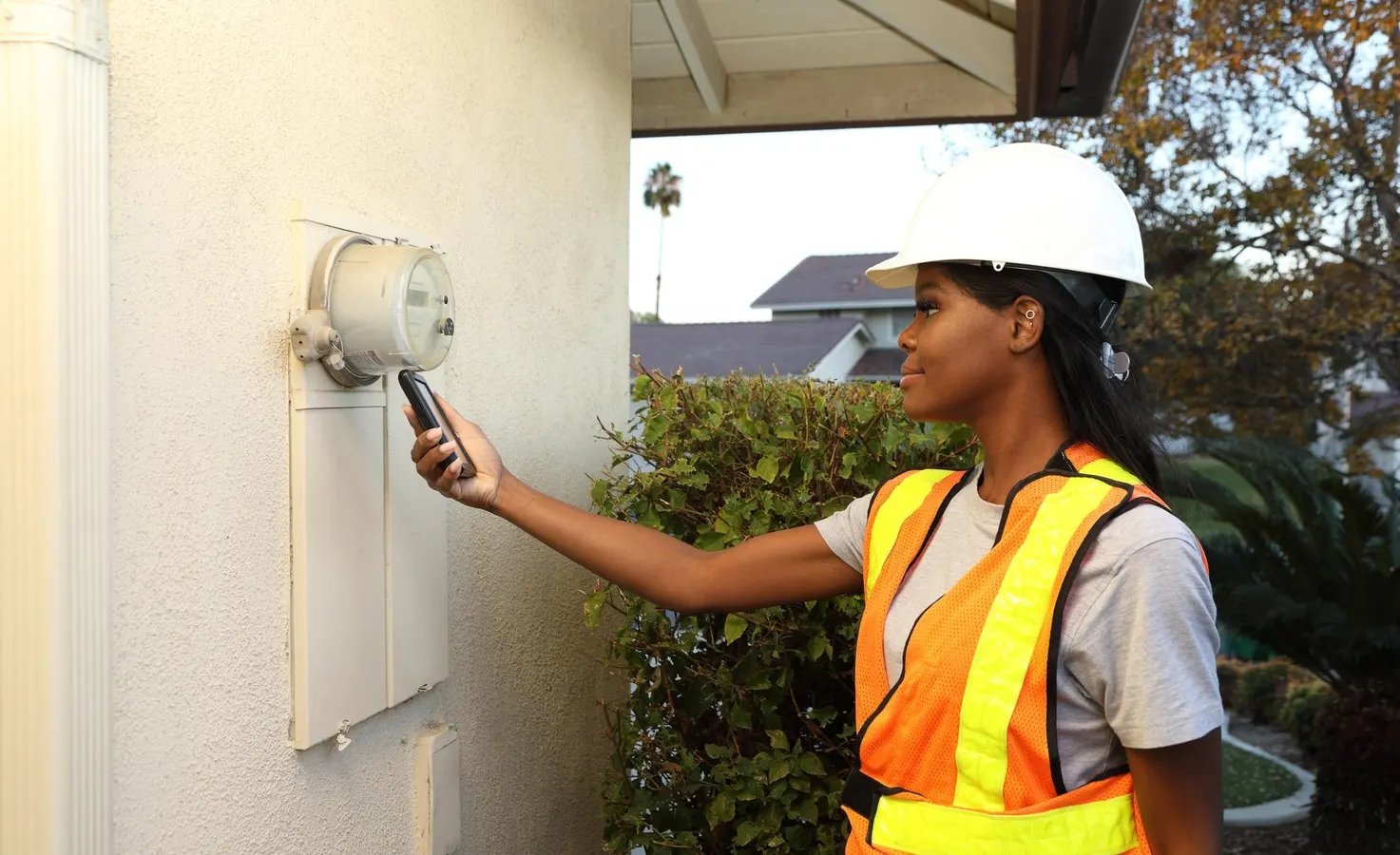
The method in which utility grid planners and data analysts carry out load forecasting has become a standard approach for the last several decades. However, two very large megatrends are intersecting in the utility industry right now: 1) distributed energy resources (DERs) like EVs, solar, and battery storage are adding a new layer of complexity to supply and demand; and 2) millions of smart meters have been deployed across the country, giving utilities new access to minute-by-minute energy consumption data.
Although the standard approach to grid planning is a functional model, it’s not necessarily a scalable model—and, it doesn’t account for the mass deployment of DERs underway at homes across the country. For one, non-smart meters only provide utilities with data at an aggregate level. This lacks visibility into behind-the-meter assets, like a customer’s solar, battery storage, and energy-efficient appliances.
It also doesn’t show utilities who their highest load users are—even though it’s a critical component in understanding areas with the highest propensity for grid constraints. This is where smart meter data comes in, offering utilities an opportunity to enhance grid planning in a very scalable way.
Behind-The-Meter Grid Planning
Smart meters offer an impressive amount of data, capturing energy consumption in 60-, 30- and sometimes even 15-minute intervals. Data is the foundation for knowledge, so the more data telling utilities about the energy flowing through the grid, the better able they are to evaluate and modify energy efficiency efforts. This in turn enables utilities to also measure with greater accuracy the results of these programs.
Traditional load forecasting looks at data from an aggregate level, focusing on total demand for a large group of customers rather than individual homes or businesses.
Smart meter data, on the other hand, allows utilities to take a “bottom-up” approach to see “behind-the-meter” data from the individual home level. With the right analytics, this can even include those behind-the-meter assets, like solar and EVs.
More Data Means More Accuracy
When utilities use aggregate-level load forecasting, they look at asset consumption across 1,000 homes, for example, and extrapolate what the load will be in the next five years for millions of homes under their jurisdiction. There will be some variation, but the difference will be small. While acceptable in a pre-DER world, using this same approach with thousands of DERs on the grid will procure significantly skewed results.
Not only does behind-the-meter data allow utilities to increase load forecasting accuracy, but utilities don’t have to depend on extrapolation anymore; they can “disaggregate” this data to gain greater visibility into DERs and appliances from every home under one given circuit, multiple circuits or even all the homes under their jurisdiction.
This information is particularly useful, for example, in allowing utilities to implement programs that alleviate stress on the grid without having to build out costly and time-intensive infrastructure upgrades. This could include introducing new rate structures in grid-constrained neighborhoods that motivate consumers to shift when they use the most energy to times of the day (or night) that are less demand-heavy (known as “load shifting”).
Targeted Customer Engagement
While it’s true utilities have been working on energy-efficiency and customer engagement programs with non-smart meters for years, these programs are surface-level. The granularity of smart meter data can identify consumption at the household and appliance level, further giving utilities a more targeted and effective way to engage with customers for energy-efficiency programs.
In addition to breaking data down to the device level—i.e., refrigerators, water heaters, air conditioners—utilities can also categorize smart meter data. This includes: time-of-use by appliance (daily, weekly and seasonally); appliance size and fuel type (electricity or gas); and type of appliance with the same fuel type (such as central AC versus room AC).
Now, rather than sending mass marketing mail, which may or may not be relevant to the customer, utilities can use their knowledge of what appliances are operating in which houses to segment customers based on three of today’s most important energy-efficiency initiatives:
Fuel switching: educating customers with gas appliances about the benefits of electric appliances, like heat pumps, and supplying them with available incentives and/or rebates.
Managed EV charging: program enrollment and load shifting for customers and neighborhoods that experience the highest EV charging loads.
High usage alerts: notifying customers when their consumption passes a threshold that impacts both their monthly bill and contribution to the grid. (This is becoming even more important as appliance electrification and EV charging increase the home’s overall consumption.)
Powerful Potential Of Energy Data
As load planning and customer engagement become increasingly vital in managing today’s evolving energy grid, smart meter data holds the key to up-leveling the programs already underway within utilities. It just comes down to making sure that data doesn’t go unused. In today’s day and age, losing value from data is as much a crime as losing data in the first place.
Forbes Technology Council is an invitation-only community for world-class CIOs, CTOs and technology executives. Do I qualify?