
The S&P 500 (^GSPC +0.29%) staged a remarkable recovery in recent weeks. After trading 9% below its peak in late March, the index has already recouped its losses and returned to record highs, reflecting expectations that the U.S. will soon reach a resolution with Iran.
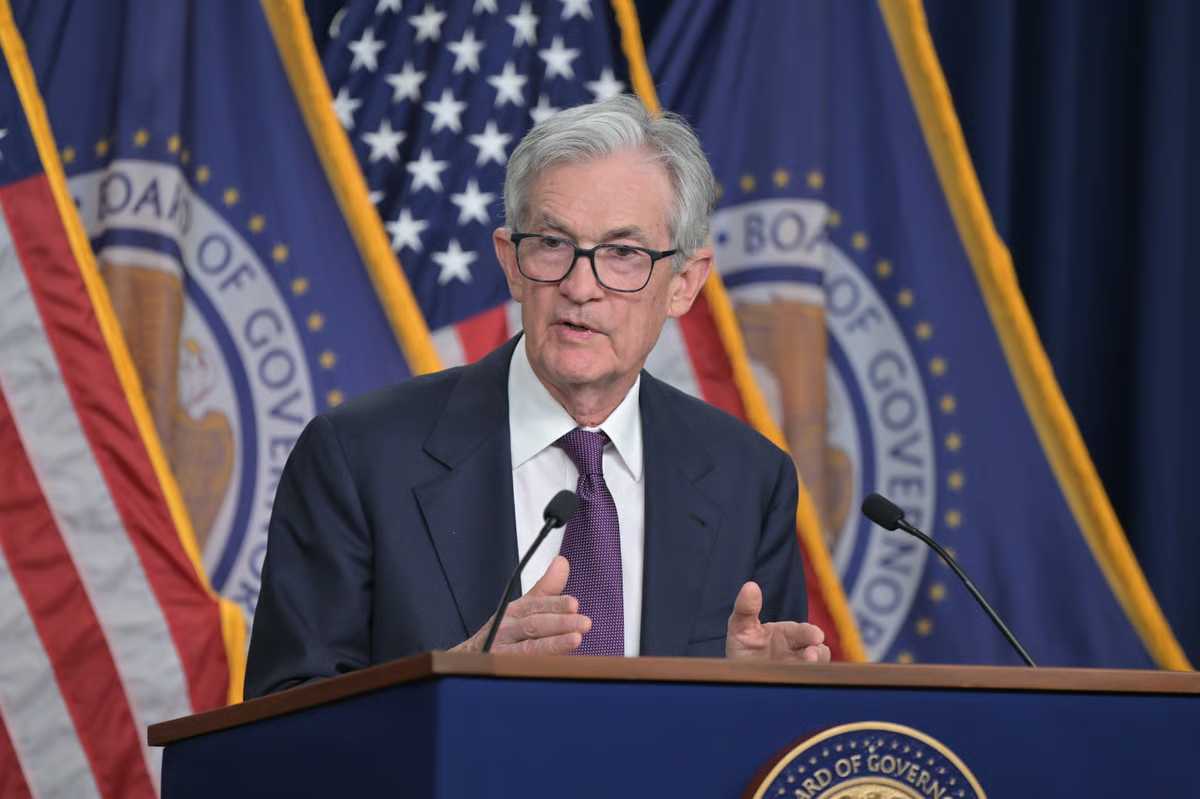
However, the rebound may have been premature. Oil prices remain over $100 per barrel, inflation is increasing, and geopolitical tensions remain elevated. Last week, Jerome Powell wrapped those concerns into a succinct warning during his final press conference as Federal Reserve chairman. Here are the important details.
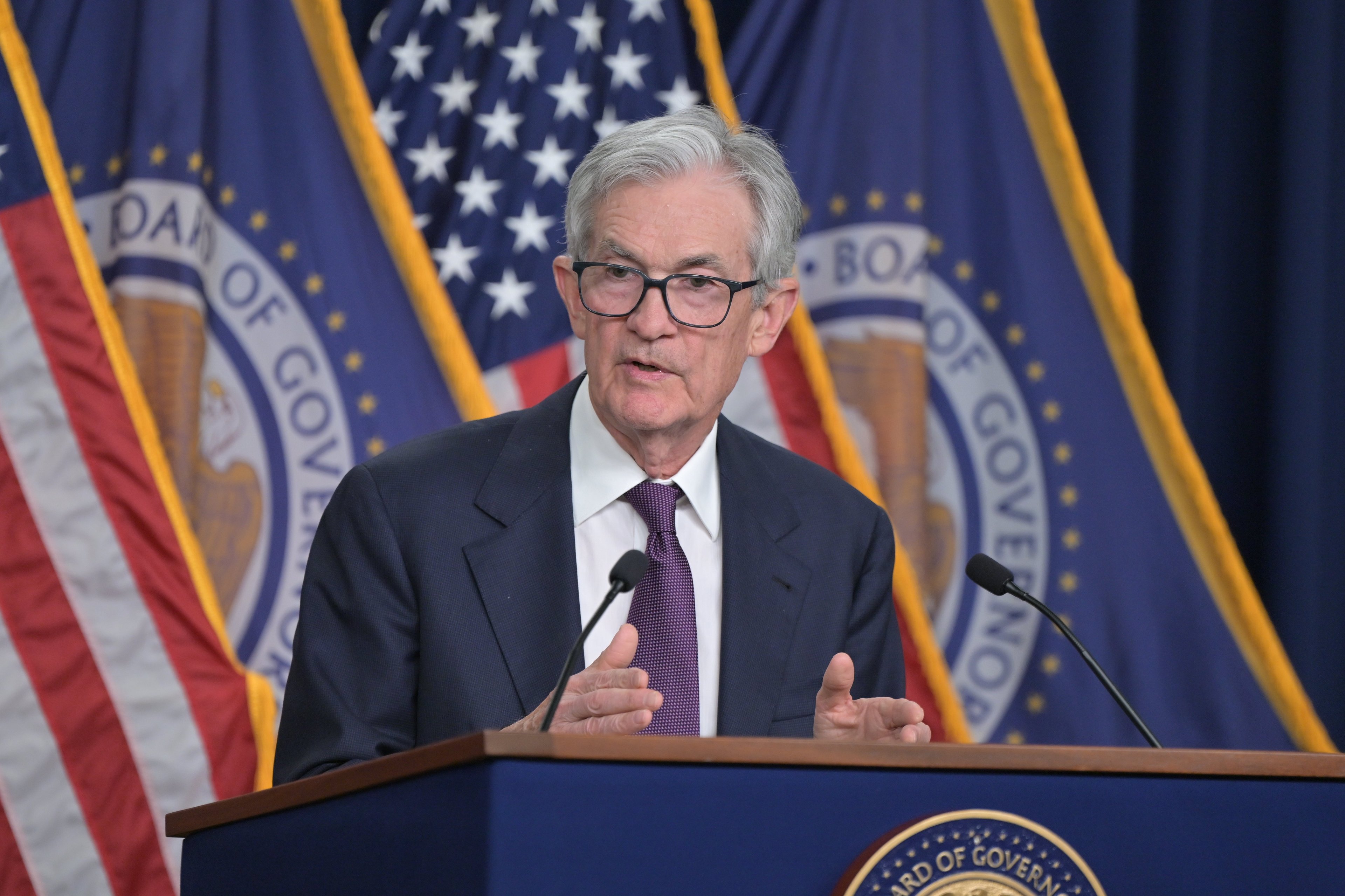
Fed Chair Jerome Powell talks to reporters during an FOMC press conference. Image source: Official Federal Reserve Photo.
Federal Reserve Chairman Jerome Powell says the economic outlook is “highly uncertain”
Earlier in the year, inflation was trending lower and jobs growth had flatlined, so investors expected the Federal Reserve to cut interest rates at least twice in 2026. Specifically, futures traders were betting on at least one 25-basis-point cut by April and at least two 25-basis-point cuts by December, according to CME Group‘s FedWatch tool.
However, the situation has not unfolded as investors expected. The Federal Open Market Committee (FOMC) has held its benchmark rate steady for three meetings, and Fed Chair Jerome Powell warned last week, “The economic outlook remains highly uncertain and the conflict in the Middle East has added to this uncertainty.”
He also predicted the Iran conflict would continue to drive price increases across the U.S. economy. “In the near term, higher energy prices will push up overall inflation. Beyond that, the scope and duration of potential effects on the economy remain unclear,” he said during his final press conference as Fed chairman.
Indeed, Consumer Price Index (CPI) inflation jumped 90 basis points to 3.3% as gasoline prices soared in March, the worst reading since April 2024. But higher gas prices will eventually spread to other sectors by increasing transportation and manufacturing costs. In fact, the Federal Reserve Bank of Cleveland’s forecasting tool puts CPI inflation near 3.6% in April.
So what? The interest rate cuts investors anticipated at the beginning of the year (and still anticipate to some degree today) may never materialize. JPMorgan Chase economists think policymakers will hold rates steady in the remaining months of 2026, then pivot to rate hikes in the third quarter of 2027. That could mean trouble for the stock market.
Rate hikes (or even the absence of rate cuts) could sink the stock market
The S&P 500 currently trades at 20.9 times forward earnings, a premium to the five-year average of 19.9 times forward earnings, according to FactSet Research. One reason investors are comfortable with that multiple is the expectation that rate cuts will continue at some point. But stocks that are already pricey would look even more expensive if it turns out the Fed has reached the end of its rate-cut cycle.
To elaborate, Wall Street analysts often value stocks by discounting future cash flows, and the discount rate in the equation (representing the return an investment must achieve to justify the risk) depends on prevailing interest rates. Higher interest rates demand a higher discount rate, which reduces the present value of future profits. That tends to compress price-to-earnings multiples because investors are willing to pay less for those future profits.
Of course, the future is not set in stone. If geopolitical tensions in the Middle East ease and inflation cools, the Fed may continue cutting interest rates at some point. But if the Iran conflict intensifies and oil prices remain elevated, the economy could slip into a recession, in which case history says the S&P 500 would decline sharply.
Here’s the bottom line: Investors may be willing to pay 20.9 times forward earnings for the S&P 500 today, but they are unlikely to tolerate such an expensive valuation if the current rate-cut cycle has truly ended. If the FOMC pivots to rate hikes, many investors will probably move money from stocks to safe-haven assets like Treasury bonds, gold, and money market funds.