

Introduction & Market Context
JBS S.A. () presented its second-quarter 2026 results on August 11, 2026, revealing a company grappling with the dual challenge of achieving record sales while facing significant margin compression and rising leverage. The world’s largest meat processor reported net revenue of $23.9 billion, yet delivered adjusted earnings per share of just $0.10, well below both the prior year’s $0.48 and analyst expectations of $0.34.
The presentation highlighted the company’s global scale—280,000+ team members across 250+ production facilities serving customers in approximately 200 countries—but also exposed the operational headwinds facing the protein industry. Stock performance reflected investor concerns, with shares trading at $13.26, down 1.12% and remaining in the lower half of the 52-week range of $11.49 to $18.65.
Financial Performance Highlights
As shown in the following consolidated results chart, JBS posted mixed second-quarter performance with revenue growth offset by profitability challenges:
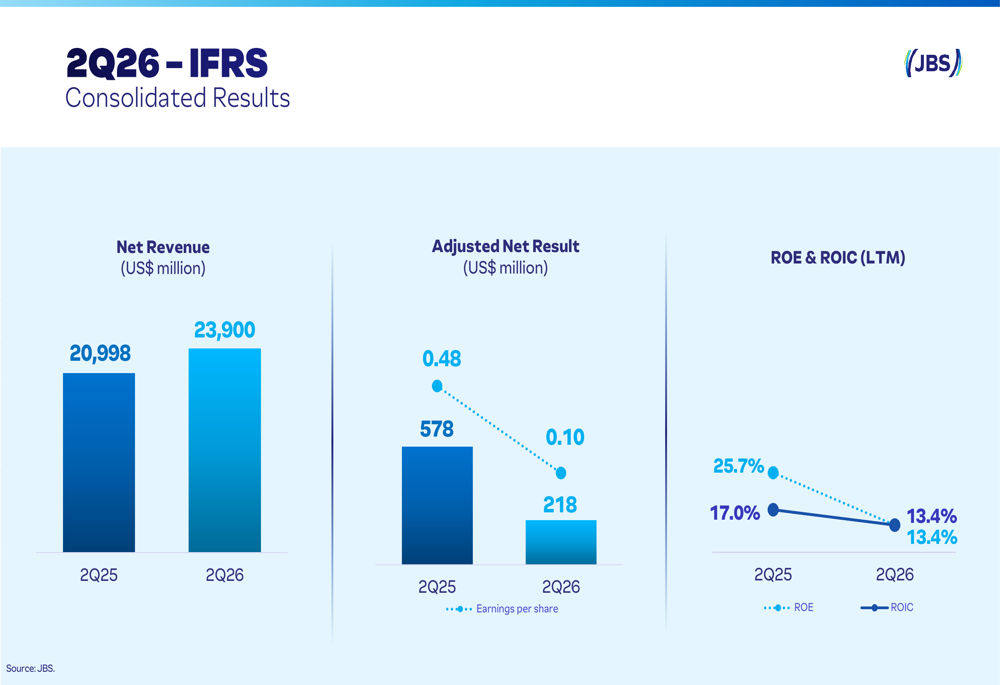
Net revenue increased 13.8% year-over-year to $23.9 billion, marking a quarterly record for the company. However, adjusted net result plummeted 62.3% to $218 million, with earnings per share falling from $0.48 to $0.10. The company’s actual results were even more challenging when accounting for one-time items, with management reporting a net loss of $102 million after financial charges.
Return metrics deteriorated significantly, with return on equity declining from 25.7% to 13.4% on a last-twelve-months basis, while return on invested capital similarly compressed from 17.0% to 13.4%.
The following cash flow metrics demonstrated one bright spot in an otherwise challenging quarter:
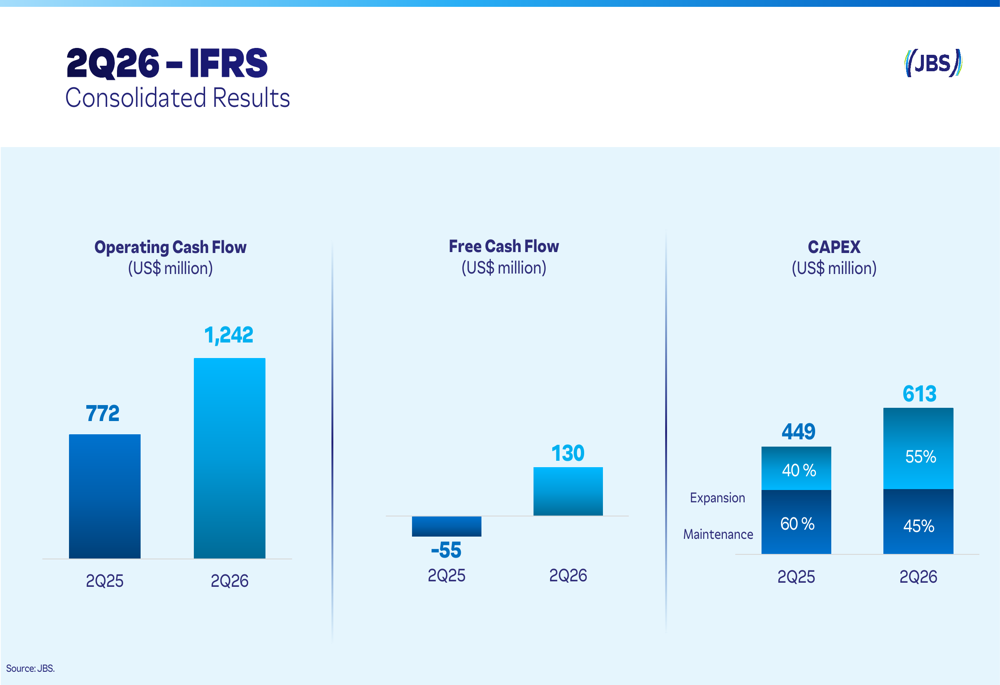
Free cash flow turned positive at $130 million compared to negative $55 million in the prior-year quarter, representing a $185 million improvement. Operating cash flow strengthened to $1.242 billion from $772 million, while capital expenditures increased to $613 million from $449 million, with the mix shifting toward 55% expansion versus 45% maintenance spending.
Under both IFRS and US GAAP accounting standards, the company experienced margin compression. Adjusted EBITDA under IFRS totaled $1.429 billion with a 6.0% margin, down from $1.754 billion and 8.4% margin in the prior year. Under US GAAP, adjusted EBITDA reached $1.257 billion with a 5.3% margin, compared to $1.368 billion and 6.5% margin in 2Q25.
Segment-by-Segment Analysis
The company’s diversified global platform delivered highly variable performance across geographies and protein categories, as illustrated in the following segment breakdowns:
JBS Beef North America showed sequential improvement despite remaining unprofitable:
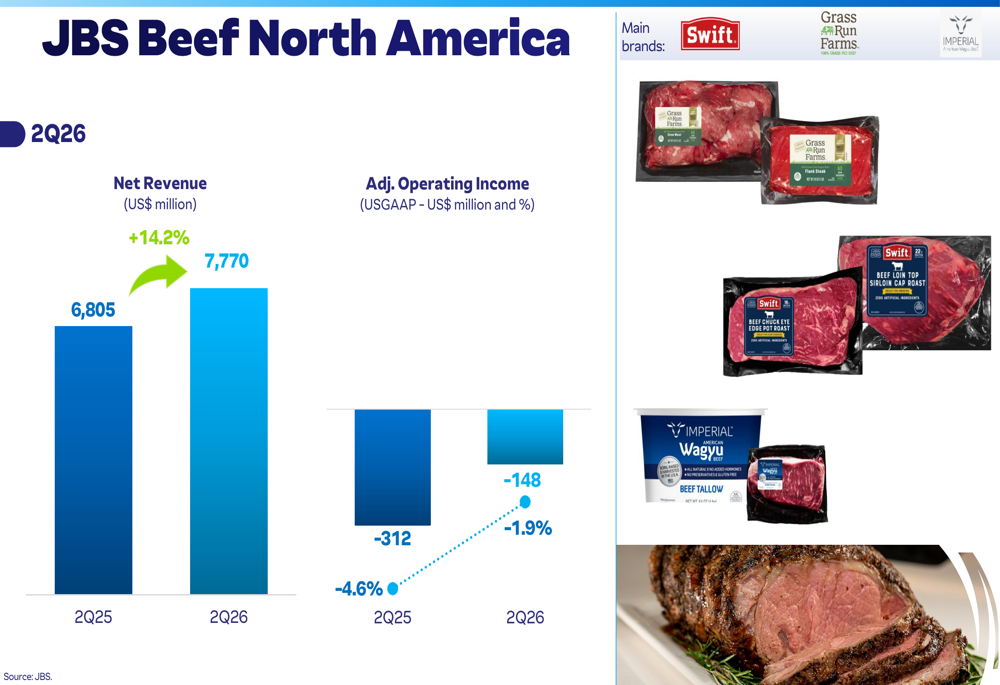
Net revenue increased 14.2% to $7.770 billion, while adjusted operating losses narrowed to $148 million (-1.9% margin) from $312 million (-4.6% margin) in the prior year. Management attributed the improvement to better operational efficiency, though tight cattle supplies continued to pressure margins. The reopening of Mexican cattle imports was cited as a potential catalyst for further margin recovery.
experienced the most significant margin deterioration:
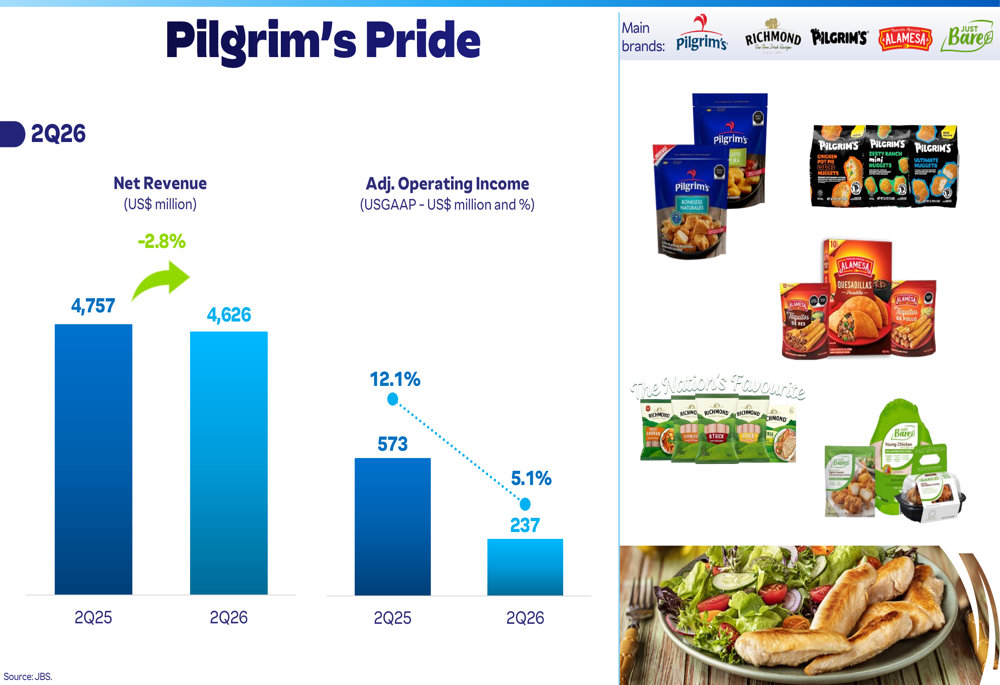
Revenue declined 2.8% to $4.626 billion as adjusted operating income fell 58.6% to $237 million (5.1% margin) from $573 million (12.1% margin) in 2Q25. Management noted that U.S. poultry supply growth had outpaced demand growth, pressuring commodity big bird margins, though the business remained profitable with improving sequential trends.
JBS USA Pork delivered solid performance:
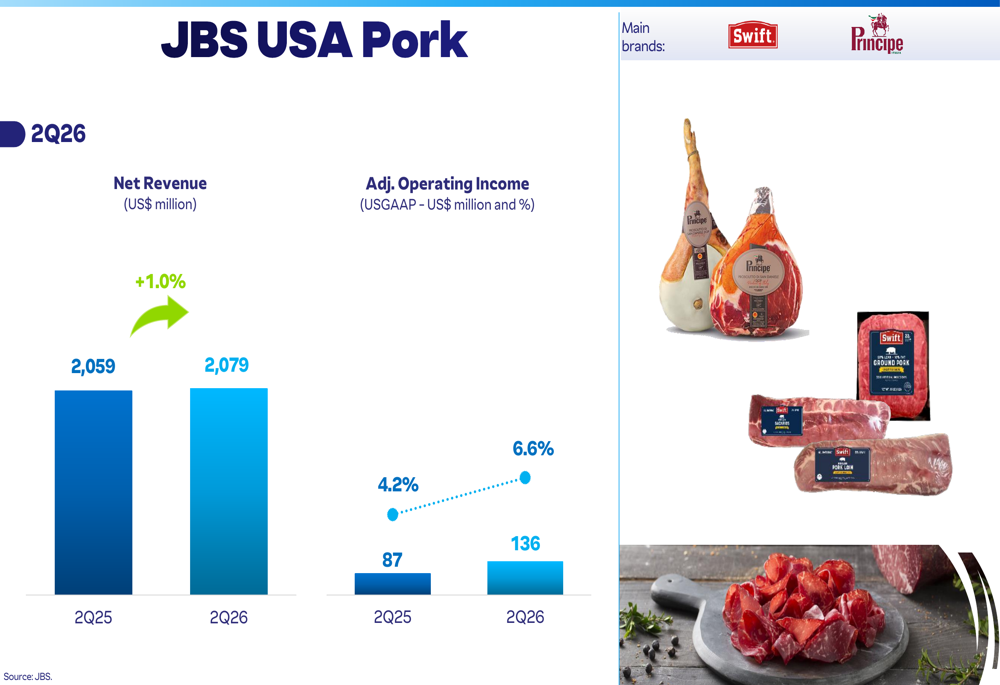
Revenue increased modestly by 1.0% to $2.079 billion, while adjusted operating income improved 56.3% to $136 million (6.6% margin) from $87 million (4.2% margin). The segment benefited from favorable hog costs and strong demand for value-added products.
JBS Australia posted strong revenue growth despite margin compression:
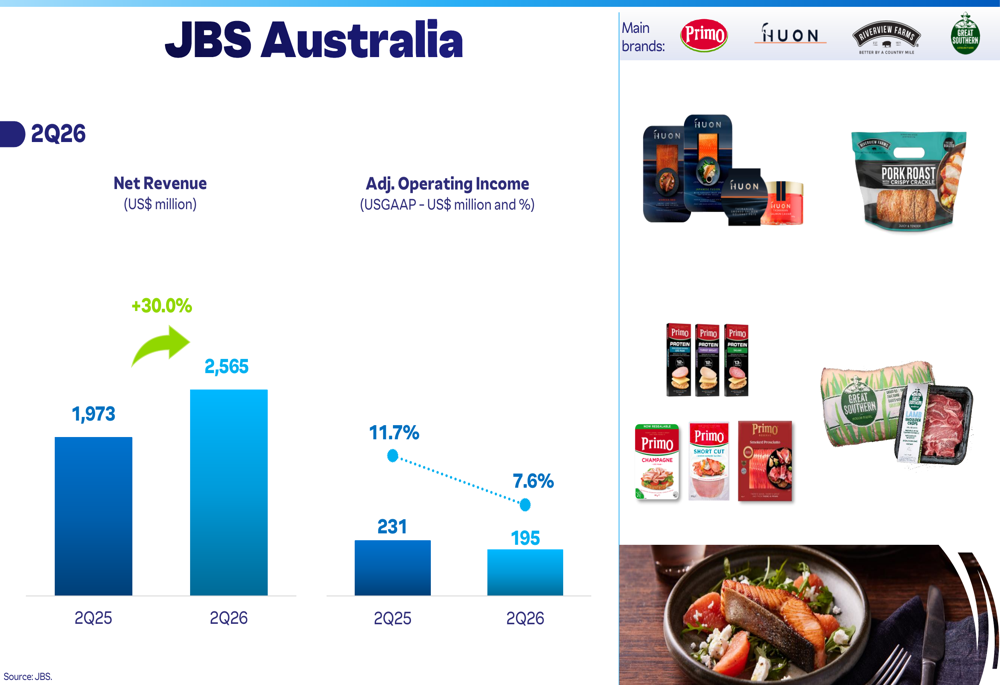
Net revenue surged 30.0% to $2.565 billion, though adjusted operating income declined to $195 million (7.6% margin) from $231 million (11.7% margin). The revenue increase reflected the company’s expanded protein portfolio including beef, lamb, pork, and salmon operations across Australia and New Zealand.
JBS Brazil delivered record second-quarter EBITDA:
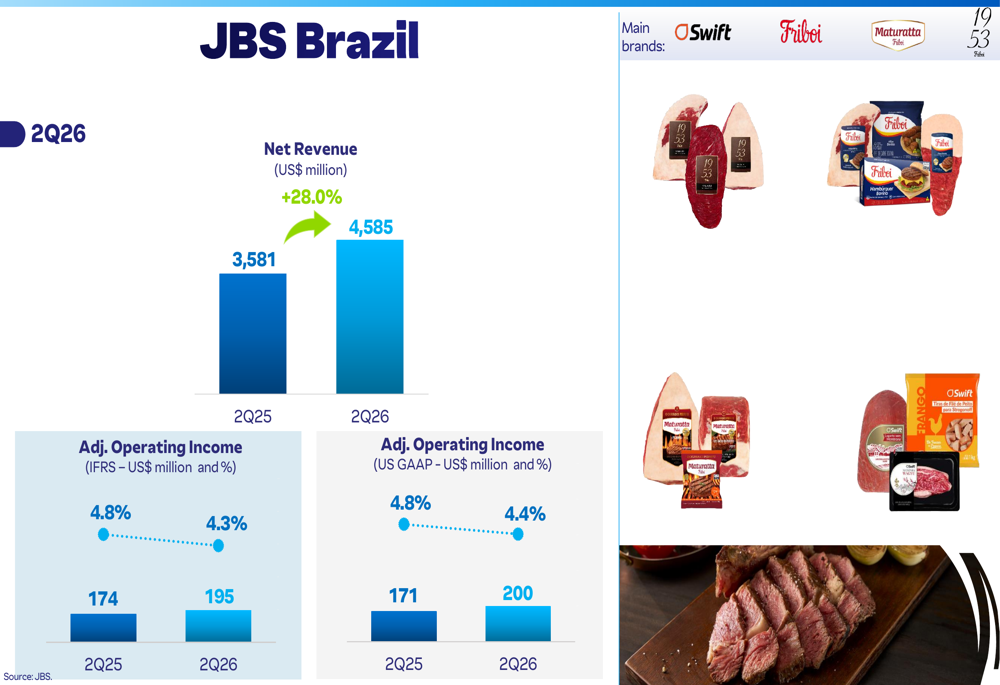
Revenue jumped 28.0% to $4.585 billion with adjusted operating income improving to $195 million (4.3% margin) from $174 million (4.8% margin). Strong domestic demand and improved export pricing supported the performance, though temporary loss of China beef quota affected volumes.
Seara maintained healthy margins despite tougher comparisons:
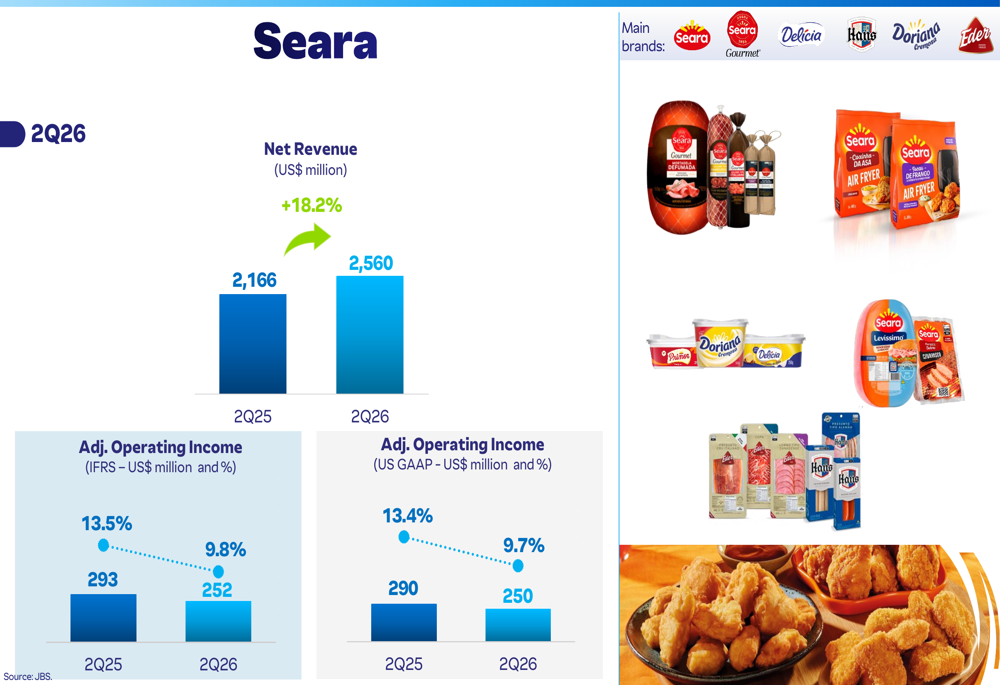
Revenue increased 18.2% to $2.560 billion, while adjusted operating income declined to $252 million (9.8% margin) from $293 million (13.5% margin). The Brazilian poultry and prepared foods business continued to benefit from its branded portfolio and value-added product mix.
Strategic Initiatives and Growth Investments
JBS outlined an ambitious expansion strategy centered on three key pillars: geographic diversification, protein portfolio expansion, and value-added product development.
The company’s most significant strategic announcement involved a partnership with Danantara, Indonesia’s sovereign wealth fund, which will invest $2.5 billion for a 25% stake in JBS Australia and New Zealand operations. The joint venture provides potential additional investment capacity of $2.5 billion, bringing total available capital to approximately $5 billion for growth opportunities across the Asia-Pacific region targeting a market of approximately 745 million people.
As shown in the following global investment map, JBS is deploying approximately $3 billion in capital projects to reinforce its market leadership:
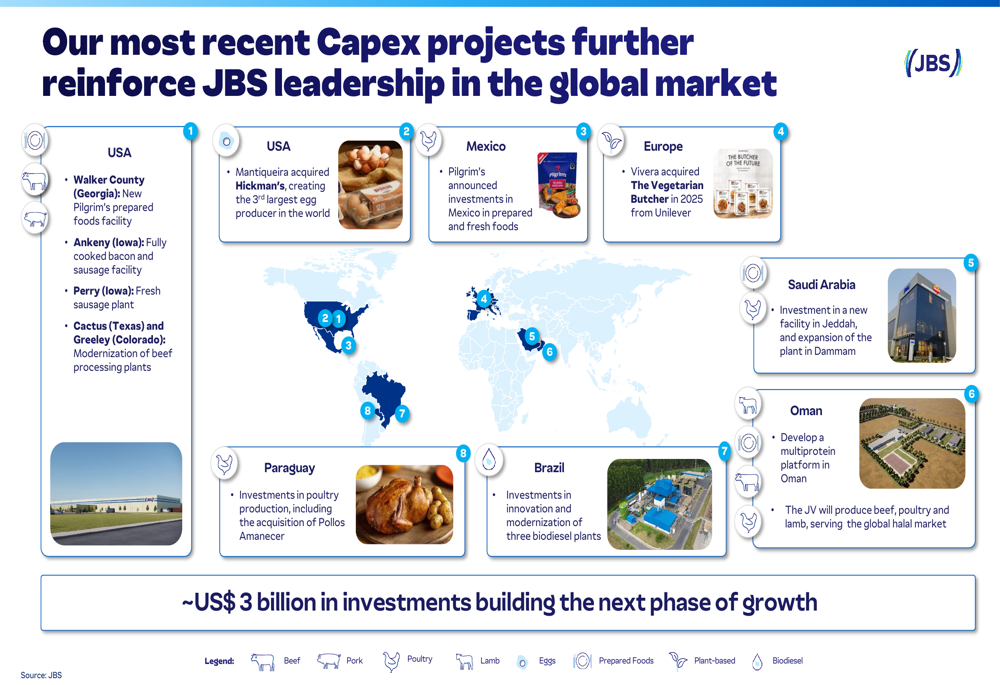
Key projects include new Pilgrim’s prepared foods facilities in Walker County, Georgia, and expansions in Ankeny and Perry, Iowa; modernization of beef processing plants in Cactus, Texas and Greeley, Colorado; Pilgrim’s investments in Mexico for prepared and fresh foods; acquisition of The Vegetarian Butcher by Vivera in Europe; new facilities and expansions in Saudi Arabia and Oman to serve the global halal market; and investments in Paraguay’s poultry production.
The company’s historical growth trajectory demonstrates its acquisition-driven expansion strategy:
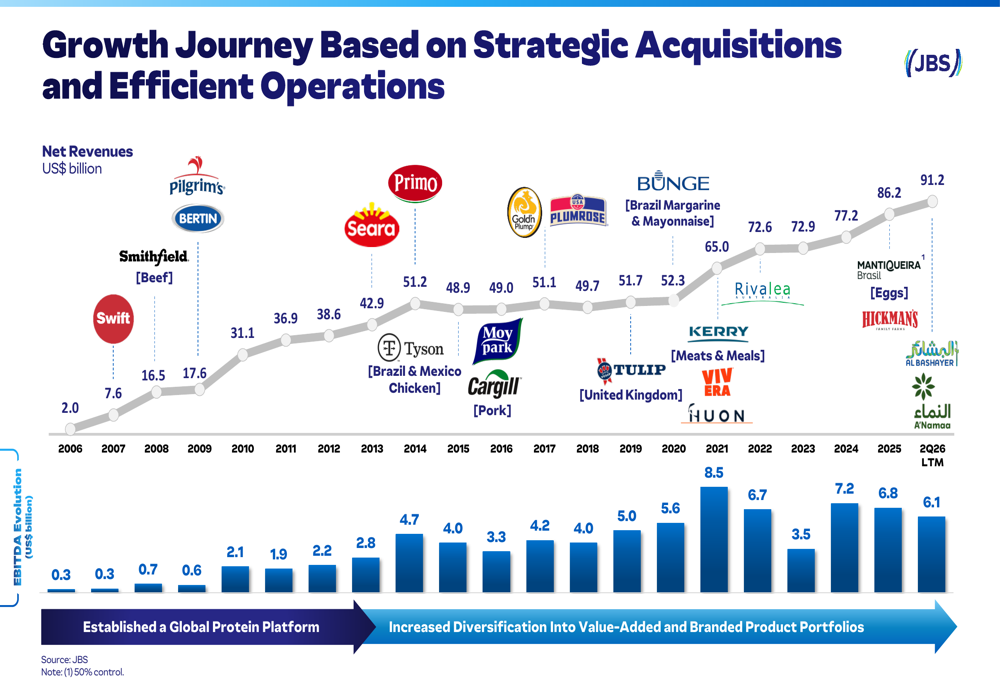
From $2.0 billion in net revenue in 2006, JBS grew to $91.2 billion on a last-twelve-months basis through strategic acquisitions including Swift, Pilgrim’s, Seara, Moy Park, and most recently Mantiqueira Brasil and Hickman’s Family Farms. EBITDA expanded from $0.3 billion to $6.1 billion over the same period, though the 2Q26 LTM figure represented a decline from the $8.5 billion peak in 2021.
The company’s margin evolution chart illustrates the strategic shift toward higher-value products:
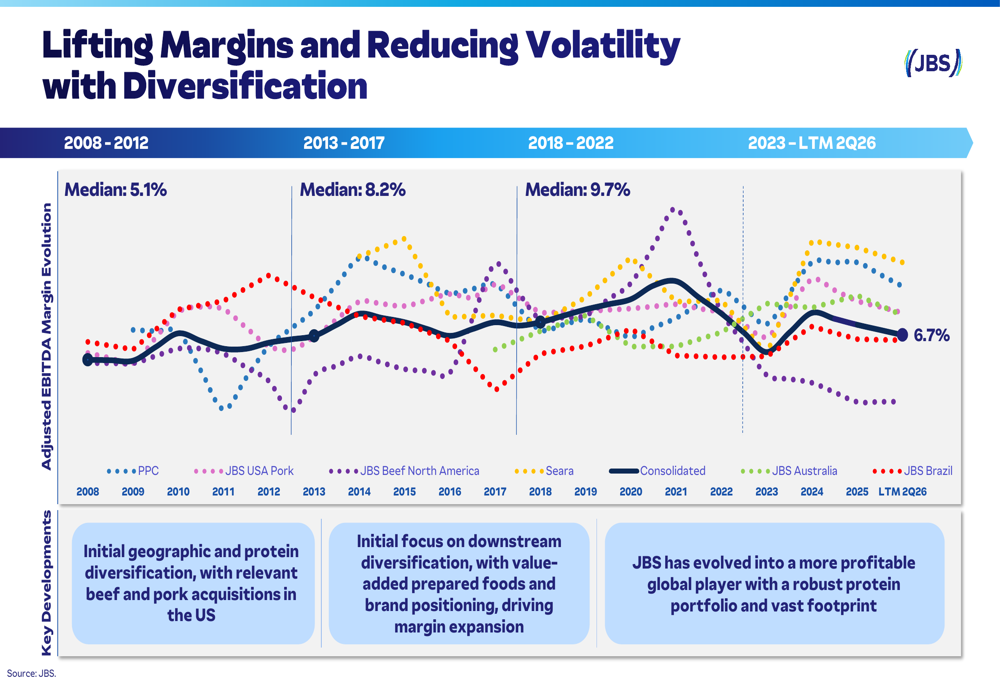
Consolidated adjusted EBITDA margins improved from a median of 5.1% during 2008-2012 to 8.2% during 2013-2017 and 9.7% during 2018-2022, driven by downstream diversification into value-added prepared foods and brand positioning. However, the 2Q26 LTM margin of 6.7% reflected recent cyclical pressures and elevated input costs.
Balance Sheet and Leverage Concerns
The company’s debt profile emerged as a key concern in the quarter, with leverage rising above management’s stated comfort zone:
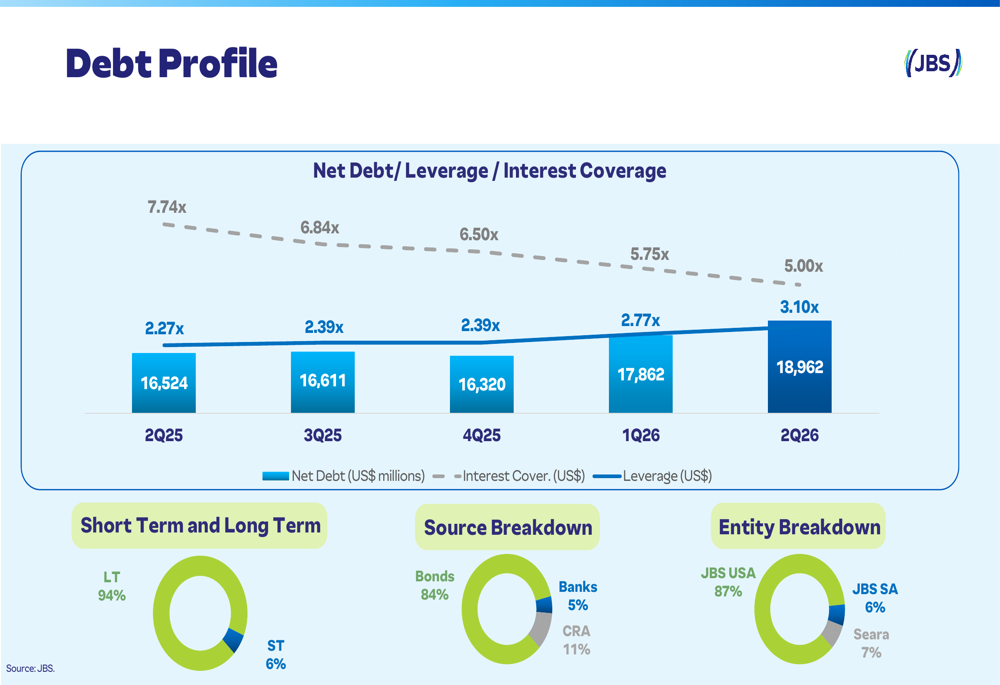
Net leverage increased to 3.10x net debt-to-EBITDA from 2.27x a year earlier, moving above the company’s long-term target range of 2.0x to 3.0x and into what management defines as the “attention zone” (3.25x-3.75x). Interest coverage declined to 5.00x from 7.74x, though it remained well above concerning levels.
The following waterfall chart illustrates the drivers of net debt increase during the quarter:
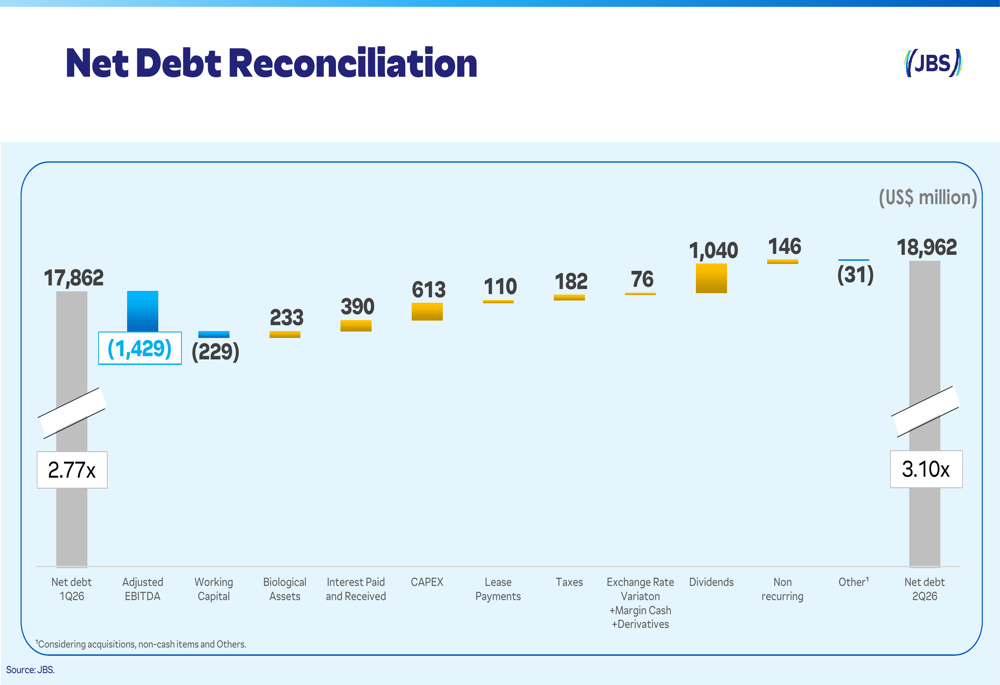
Net debt increased from $17.862 billion (2.77x leverage) at the end of 1Q26 to $18.962 billion (3.10x leverage) at the end of 2Q26. The increase was driven primarily by dividend payments of $1.040 billion, capital expenditures of $613 million, interest payments of $390 million, and various smaller items, partially offset by adjusted EBITDA generation of $1.429 billion.
Management’s capital deployment strategy emphasizes balancing growth investments, shareholder distributions, and deleveraging:
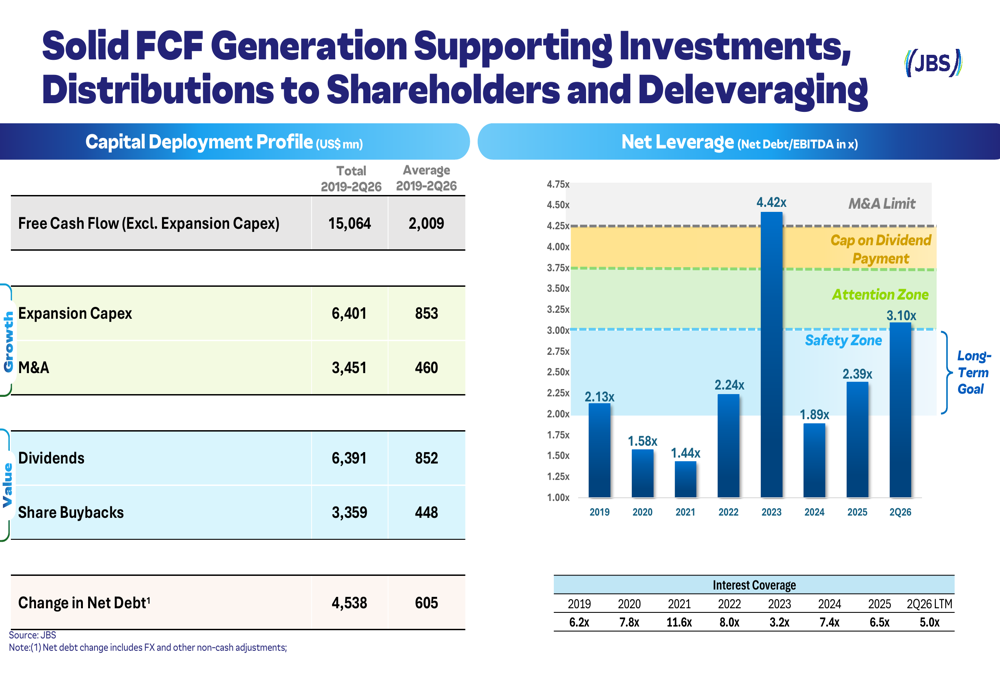
Over the period from 2019 through 2Q26, the company generated cumulative free cash flow (excluding expansion capex) of $15.064 billion, which funded expansion capex of $6.401 billion, mergers and acquisitions of $3.451 billion, dividends of $6.391 billion, and share buybacks of $3.359 billion, with the remainder reflected in net debt changes.
The company maintains an average debt maturity of 15.3 years at an average cost of 5.7% per annum, with no major maturities until 2031. JBS holds investment-grade credit ratings from Fitch, Moody’s, and Standard & Poor’s, along with $4 billion in revolving credit facilities in the United States.
Market Context and Forward-Looking Statements
Management’s presentation emphasized several factors expected to influence future performance, though actual second-quarter results highlighted the gap between strategic positioning and near-term execution.
Global CEO Gilberto Tomazoni characterized JBS as “a more diversified, more global, and more resilient business,” while incoming CEO Wesley Batista Filho (set to assume the role in January 2027) stated that “demand is very strong” and noted that protein demand has proved more price-inelastic than previously assumed.
For U.S. beef operations, management highlighted the reopening of the Mexican border as “particularly important,” estimating that an additional 1 million head of cattle would be sufficient to move the business much closer to breakeven from its current loss position.
The company guided to full-year 2026 capital expenditures of $2 billion, down $400 million from initial estimates, and expects working capital improvements of $500 million versus 2025 through receivable discounts and customer prepayments. Management projects year-end net leverage to remain slightly above 3.0x and is considering repayment of higher-coupon bonds if second-half cash flow permits.
Key risks identified include continued U.S. beef margin pressure from tight cattle supplies, higher financial expenses from debt costs, leverage above target levels, chicken oversupply in North America, and Brazil export shifts related to temporary loss of China beef quota.
Despite near-term challenges, the company’s presentation emphasized its #1 global position in poultry, beef, and prepared foods, #2 position in pork and salmon, and expanding presence in plant-based proteins and biotechnology. The diversified portfolio across proteins and geographies—with 50% of production in the USA, 26% in Brazil, and the remainder spread across Asia, Oceania, Europe, Canada, and Mexico—provides natural hedges against regional and category-specific volatility.
Management’s long-term strategic vision centers on leveraging scale advantages, expanding into higher-margin value-added products, and capitalizing on rising global protein demand, particularly in emerging markets. However, the second-quarter results underscore the execution challenges inherent in operating a global protein business amid volatile commodity cycles, trade disruptions, and shifting consumer preferences.
Full presentation:
This article was generated with the support of AI and reviewed by an editor. For more information see our T&C.