
Investing.com– Asian oil and gas stocks dipped on Wednesday as crude prices extended losses after Iran and Oman resumed talks on managing the Strait of Hormuz, raising hopes that the key waterway could eventually reopen.
fell 2.5% to $86.38 a barrel by 07:43 GMT, while slipped 2.8% to around $80.08, extending a sharp decline from the previous session.
Get real-time updates on market-moving news with InvestingPro — at 55% off now
Iran and Oman are discussing an interim framework for shipping through the strait, including a temporary navigational corridor and cooperation on clearing mines. The talks come as negotiations between Iran and the U.S. remain stalled, and Washington increases economic pressure on Tehran.
The Strait of Hormuz handled about one-fifth of global oil and LNG shipments before the conflict began, making any progress toward reopening it a potential source of downward pressure on crude prices.
PVM analyst Tamas Varga questioned the rationale behind Brent’s more than $6-a-barrel drop over two days, noting that a permanent resumption of Strait of Hormuz flows “is anything but a foregone conclusion” even as reports emerged of a possible Oman-Iran deal to demine and manage traffic through the chokepoint.
He said supply risk is likely to persist and oil inventories will keep depleting in the coming weeks, though he acknowledged “sitting in this chair has often proven uncomfortable recently.”
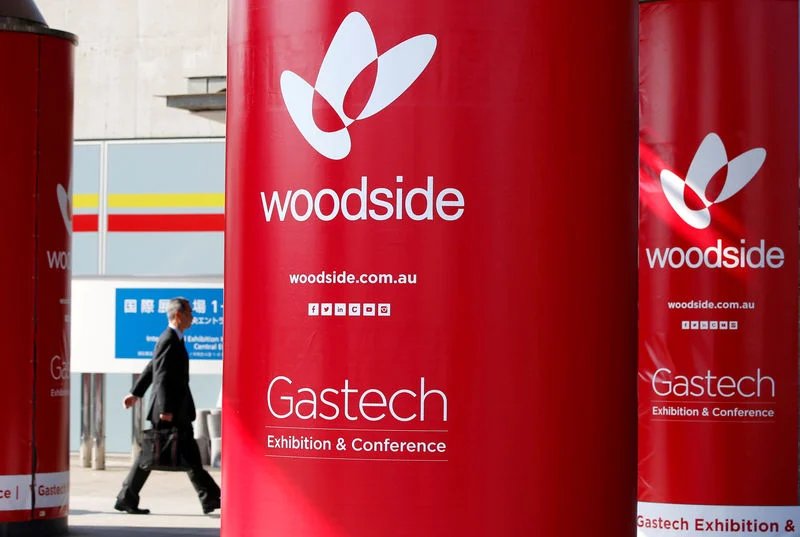
The drop in oil prices weighed on energy shares across the region. In Australia, Woodside Energy () fell more than 4%, while Santos () slipped nearly 2%.
Australia’s S&P/ASX 200 Energy sub-index slipped 1.5%, its biggest one-day decline in nearly a month.
South Korea’s SK Innovation () slumped 11%, while in Japan, Eneos Holdings () and Japan Petroleum Exploration () fell more than 2% each.
Elsewhere, as European markets opened, and slid 2.8% and 1.7%. slipped 2.5% in Oslo, Italy’s shed 1.7%, while and fell 1.2% and 1.4%, respectively.
The selloff followed a 3.1% decline in WTI on Tuesday as hopes for diplomatic progress outweighed concerns over supply disruptions.
Vahid Karaahmetovic contributed to this report.