
(Photo by DAVID GRAY/AFP via Getty Images)
AFP via Getty Images
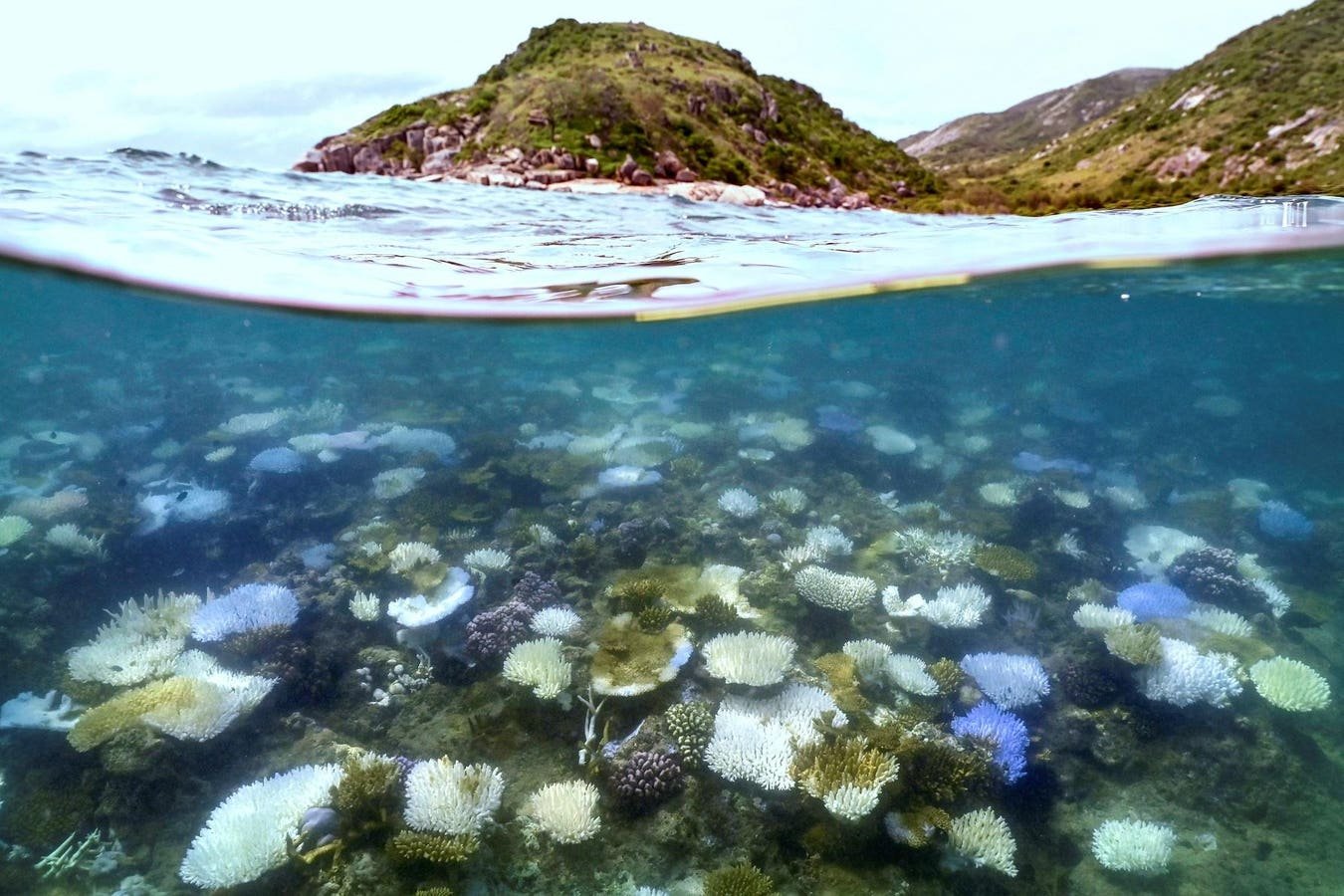
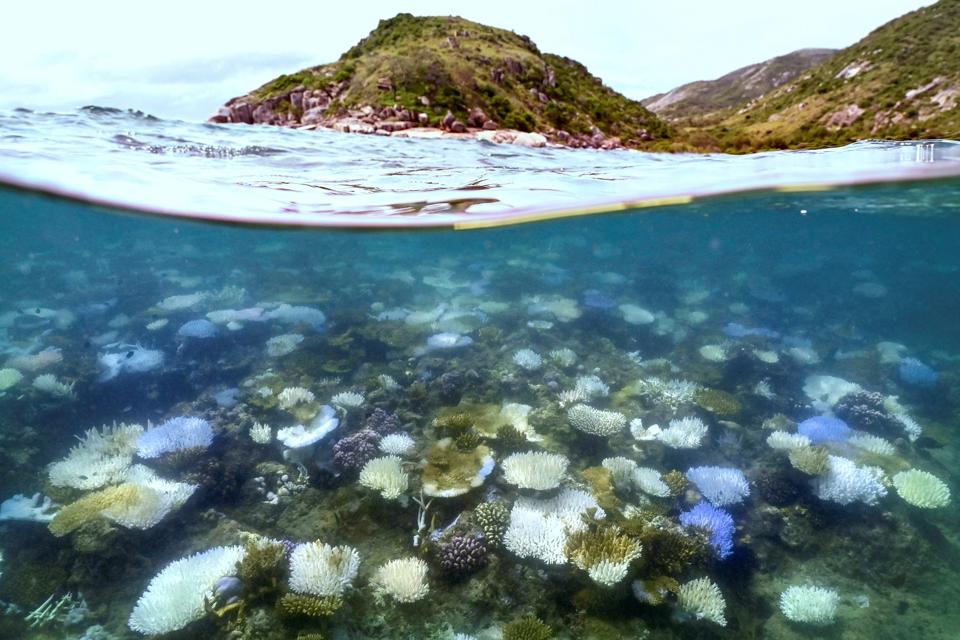
The world is losing its nature at an alarming rate. Global wildlife populations have plummeted by 73% in just 50 years and scientists warned this week that the planet’s first catastrophic tipping point has been reached. Yet while this ecological catastrophe unfolds, a dangerous misconception persists in financial circles: nature finance is only about conservation projects with disappointing returns, making it unsuitable for mainstream capital.
This view is not just overly narrow and wrong; it’s actively undermining efforts to halt biodiversity loss at the scale and speed required.
In 2023, private finance that harmed nature totalled $5 trillion, a staggering 140 times more than the $35 billion flowing toward nature-positive outcomes. Just 250 companies in the MSCI ACWI index account for 67% of negative impacts on nature, predominantly in food production, mining, and energy sectors.
These are the very companies that banks finance, investors hold in their portfolios, and insurers underwrite every single day.
But here’s what most financial institutions are missing: they already possess the tools to redirect these harmful flows toward nature recovery. They don’t need complex new products or bespoke structures. They can act today, at scale, through their existing operations.
Beyond Conservation: The Power of Greening Finance
Our new research reveals a critical distinction that could unlock trillions in nature-positive finance. While direct conservation projects play a crucial role, it’s embedding nature into everyday financial decisions that offers the real potential for rapid scaling.
Think of it this way: greening finance means banks assessing nature risks in their credit processes, investors engaging companies on deforestation in their supply chains, and insurers offering better terms for regenerative farming practices. These actions integrate into existing workflows, require no new asset classes, can be replicated across entire portfolios and can make good returns.
Financial institutions also need to act in their own interests. Banks face downgraded credit ratings when clients operate in water-stressed areas. Investors watch equity value evaporate when fertiliser regulations tighten. Insurers pay mounting claims as climate change-driven extremes lead to ecological degradation.
Four Levers for Immediate Action
(Photo by Per-Anders Pettersson/Getty Images)
Getty Images
So, it is in the interest of both financial institutions and the planet to adopt a mindset of financing green. Financial institutions can deploy four powerful levers today to achieve this.
First, embed nature into corporate stewardship. When Norinchukin Bank analysed its portfolio’s nature dependencies, it used these insights to engage Japanese livestock feed industries on water usage. By the end of 2025, BNP Paribas will refuse to finance suppliers of beef and soy from Brazilian rainforests without clear zero-deforestation strategies. These aren’t radical moves – they’re risk management.
Second, integrate nature into financial decision-making. Rabobank excludes operations in key protected areas and prohibits financing products that contain specific harmful pollutants. UBP classifies companies as ‘biodiversity leaders’ or ‘laggards’ to inform investment decisions. These policies protect long-term value.
Third, use financing terms to incentivise change. Wedgetail offers nature-linked loans where the interest rate drops when borrowers meet conservation milestones. Chubb reduces crop insurance premiums for farmers practising no-till agriculture that enhances soil health and biodiversity.
Fourth, engage policymakers collectively. When 477 signatories, including 132 investors representing substantial assets, urged the EU to maintain strong sustainability rules, they demonstrated that finance’s voice carries weight. AXA UK’s advocacy led to the introduction of mandatory sustainable drainage systems for new housing developments in England, reducing flood risk and enhancing urban biodiversity.
The Prerequisite: Understanding Your Impact
None of these actions are possible for an institution without it first understanding where finance flows intersect with nature. Luckily, this is simple to get started on with tools like ENCORE designed to help identify which sectors cause the most harm.
Norges Bank Investment Management, which manages $1.7 trillion in assets, has been assessing how the operations of its portfolio companies intersect with Key Biodiversity Areas using geospatial mapping. This isn’t rocket science. It’s due diligence for the 21st century.
The Opportunity We Cannot Afford to Miss
The cumulative effect of these incremental improvements across mainstream finance could be transformative. When financial institutions embed nature considerations into portfolio construction, risk management, and engagement strategies, using traditional products and existing processes, they can scale impact far beyond what targeted conservation finance alone could achieve.
No single institution can manage this transition alone. But collectively, through the everyday decisions that shape where trillions of dollars flow, financial institutions can rewire the global economy away from destructive activities toward those that protect and restore it.
The alternative is to continue pretending that business-as-usual is an option. That choice will mean greater ecological collapse, mounting financial losses, and ultimately an economy unable to function as the natural systems it depends upon fail.
The train has left the station. The question is whether financial institutions will board it voluntarily or be forced to by escalating nature-related risks threatening the stability of the entire system. For the sake of both nature and long-term financial stability, they should choose to act now through the mainstream finance tools already at their disposal.