
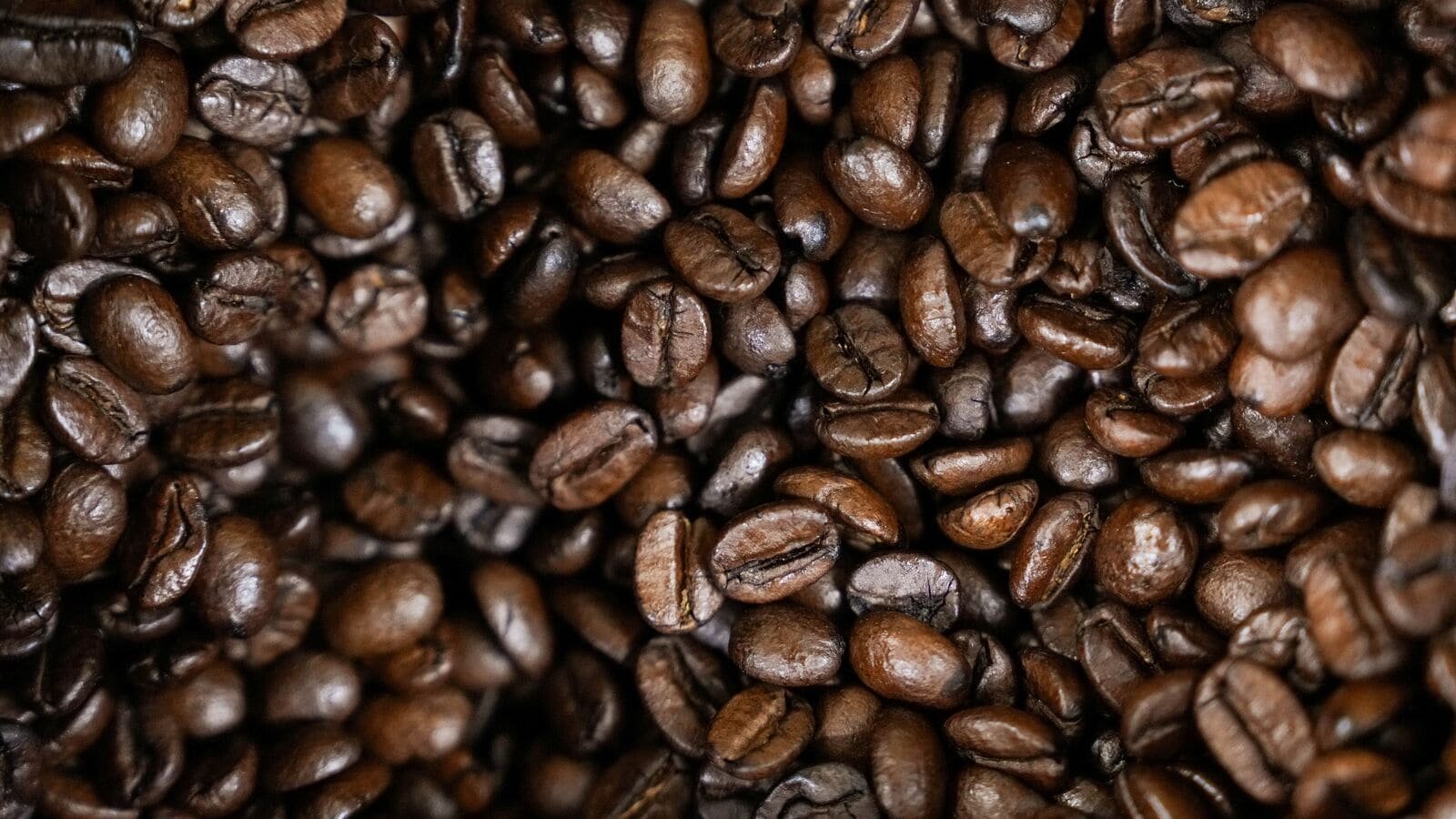
President Trump’s proposed 50% tariff on Brazilian goods is likely to lift the price of the preferred coffee for most U.S. consumers.
Brazilian arabica beans are the source for roughly 35% to 40% of the coffee consumed in the U.S. and a pending levy on imports starting Aug. 1 would increase the price of coffee in cafes and grocery stores alike.
Brazil is by far the leading producer of coffee worldwide, and is expected to produce a total of 65 million bags of beans in the 2025-2026 marketing year—more than double of the next-largest producer Vietnam—the Department of Agriculture estimates.
In fact, at over 40 million bags, Brazil produces more arabica coffee than the next five leading producers in the world combined. This includes countries like Colombia and Honduras, where U.S. coffeemakers already buy a large portion of their output.
“We don’t have an easy ability to replace Brazilian coffee,” said James Watson, senior beverage analyst with Rabobank. “For the most part, most of what you drink is all arabica.”
Vietnam is the next leading coffee producer in the world, but produces virtually no arabica coffee. The country is forecast to produce 30 million bags of robusta coffee in 2025-2026, robusta being a cheaper type of coffee that is more commonly used in instant coffees. A number of brands sold in grocery stores are made using a mix of both arabica and robusta.

View Full Image
The ability of U.S. roasters—some owned by companies like JM Smucker and Kraft Heinz—to switch out Brazilian coffee for a different exporter is limited. Domestic production is small, with the U.S. importing 99% of its coffee needs through 2024. Hawaii, California and Puerto Rico are the only U.S. territories that produce any amount of coffee.
That leaves coffee roasters with few options. Companies may look to alter their recipes for the blends they produce, or simply swallow higher prices coming from tariffs.
Last month, JM Smucker—whose brands include Folgers, Dunkin’, and Cafe Bustelo—said that it raised prices for its coffee in May, and will do so again in August. That call was held before the tariff on Brazil was announced by Trump.
Those in the coffee supply chain are tentative about doing business without knowing for sure if the 50% tariff will be implemented. Traders have rushed to bring more coffee into the U.S. ahead of a tariff, directing it away from other countries, Citi Research said in a note.
“The real effect you’re seeing is that supply chains are locking up,” said Tomas Araujo, a trading associate with StoneX Group.
In a post on Truth Social on Wednesday, Trump touted the August 1 deadline for tariffs as being ‘strong’ and not to be extended.
Coffee futures trading on the Intercontinental Exchange had been on a downturn in recent months, coming off of a record high of $4.29 a pound hit in February. Coffee futures were among the top-gaining commodities in 2024, because of drought hitting Brazilian crops. But the weather has since improved, sending the futures contract down 35%.
Prices started to rise again earlier in July as coffee started the new marketing year on the first of the month. If the 50% tariff on Brazil is implemented—which companies and traders are not convinced will happen, said Watson—then importers are expected to charge buyers more to ship the coffee, which in turn domestic roasters may pass on to consumers.
But without tariffs, prices of coffee futures would otherwise be expected to slide. Coffee crops in Brazil have been receiving more rainfall, which is in turn boosting production estimates for the 2025-2026 marketing year, according to the USDA data.
Retail prices for coffee run roughly six months behind the changes in futures prices. So consumers are still feeling the impact of futures rising to all-time highs earlier this year. Year-to-date, the average retail price for a cup of coffee in U.S. cities has risen 9% in 2025, according to the U.S. Bureau of Labor Statistics.
Retailers were hoping to pay less for coffee as futures prices slid, said Watson. But if tariffs do come into play, then both futures and retail prices will likely see no respite.
“It takes a while from that decrease to come to the market,” said Watson.
Write to Kirk Maltais at kirk.maltais@wsj.com