
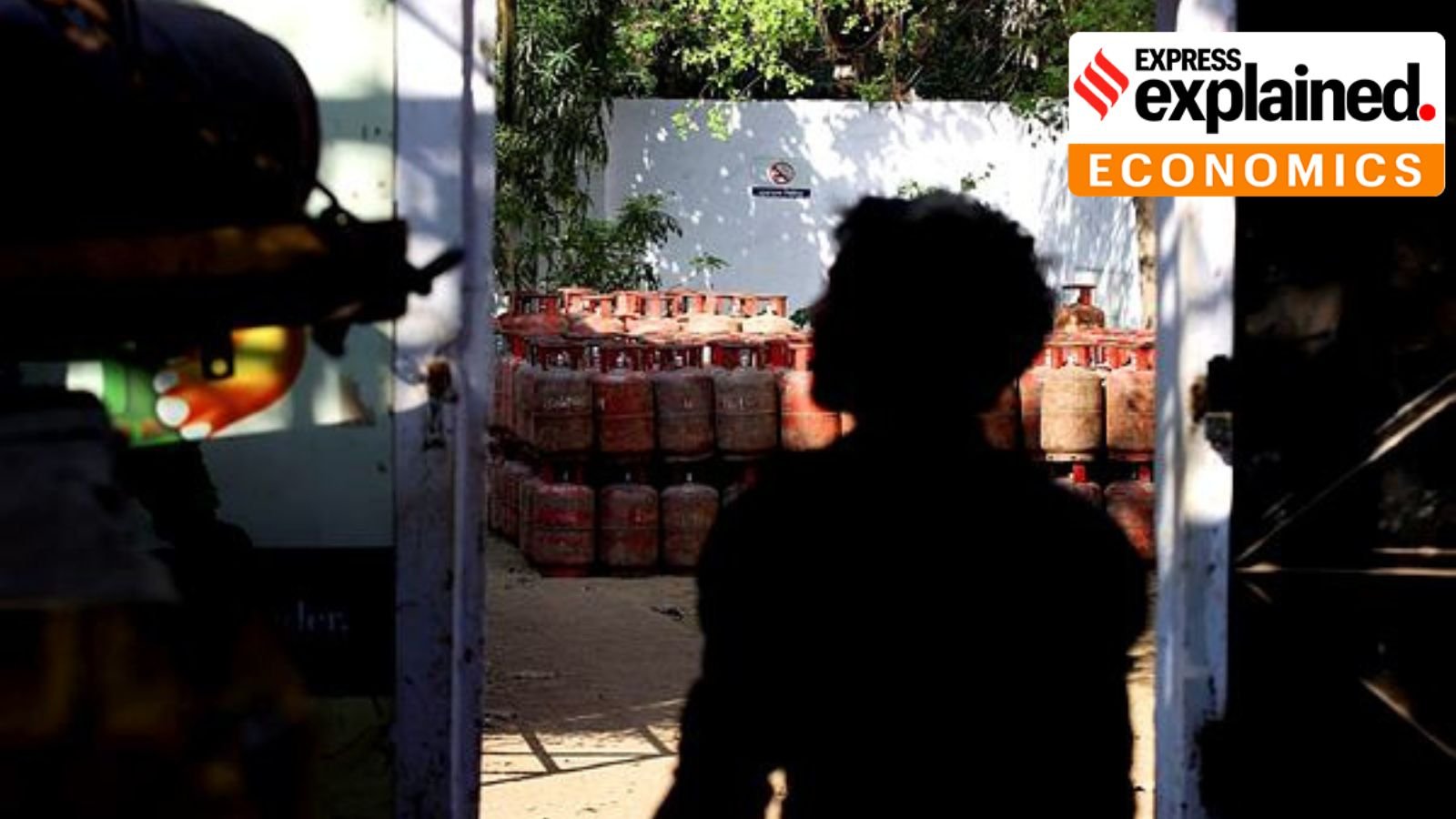
With fuel shipments via the Strait of Hormuz halted for the foreseeable future, thanks to the war in West Asia, and the country’s liquefied natural gas (LNG) reserves in short supply, the government on Monday invoked the Essential Commodities Act to divert natural gas to “priority sectors” that are dependent on the fuel.
The Natural Gas (Supply Regulation) Order, 2026, issued by the Ministry of Petroleum and Natural Gas (MoPNG), says that segments that directly impact millions of common consumers—piped natural gas (PNG) for households, compressed natural gas (CNG) for vehicles, and liquefied petroleum gas (LPG) production—will have precedence over other natural gas-consuming sectors.

India depends on LNG imports to meet about half of its natural gas requirement of around 190 million standard cubic metres per day. Over 50% of these imports are sourced from West Asian countries like Qatar and the UAE. India depends on imports to meet 60% of its LPG requirement, 80% of which is sourced via the Strait of Hormuz.
What is the Essential Commodities Act?
The Essential Commodities Act (ECA) was enacted in 1955 to “provide, in the interests of the general public, for the control of the production, supply and distribution of, and trade and commerce, in certain commodities”. If the supply of essential commodities or products were disrupted due to hoarding or black marketing, this would affect the normal, everyday life of people.
Essential commodities as defined by the Act include cattle fodder, coal and its derivatives, automobile components and accessories, cotton and wool textiles, drugs as defined in Section 3 of the Drugs and Cosmetics Act, 1940; foodstuffs, iron and steel as well as products made of these, raw cotton, raw jute; and any other product listed by the Centre via a notified order. Following the outbreak of the Covid pandemic, the Centre in March 2020 briefly included face masks and hand sanitisers in the list of essential commodities, and removed these in July.
Under the original act, the government could fix the minimum support price of any packaged product held as an “essential” commodity.
In June 2020, the Centre amended the Act to delist certain commodities as essential, allowing the government to regulate their supply and prices only “under extraordinary circumstances” such as war, famine, extraordinary price rise and a natural calamity of grave nature. The commodities thus delisted include food items, including cereals, pulses, potatoes, onions, edible oilseeds and oils. In such cases, limits can be placed on the number of stocks of such items held by individuals.
Story continues below this ad
The amended act can only be imposed if there is a 100% increase in retail prices of horticultural produce and a 50% increase in the retail prices of non-perishable agricultural food items. However, these restrictions do not apply to food stocks held for domestic public distribution.
What the present order says
The order by the Ministry of Petroleum and Natural Gas (MoPNG) identifies four categories of priority for the receipt of natural gas — subject to their availability — based on their average gas consumption levels over the past six months.
Domestic PNG use has been assigned the highest priority in this order. Households will receive 100% of their average gas consumption of the last six months. Also included in this category are CNG used by the transport sector, natural gas used for LPG production, and gas consumed for essential pipeline operations.
The second priority is assigned to fertiliser units, which will receive 70% of their average gas consumption of the past six months, according to the order. These units are not permitted to use the allotted gas supply for any other purpose and must furnish a certificate to this effect to the Petroleum Planning and Analysis Cell (PPAC) through the Ministry of Chemicals and Fertilizers.
Story continues below this ad
The third category includes “tea industries, manufacturing and other industrial consumers supplied through the national gas grid”, which will receive 80% of their six-month average consumption as supply. Commercial and industrial consumers of city gas distribution companies comprise the fourth category. They will also get 80% of their six-month average use.
The MoPNG said it has ordered oil refineries to increase their LPG production towards domestic LPG use “in light of the current geopolitical disruptions to fuel supply and constraints on supply of LPG”. It has also introduced 25 day inter-booking period to avoid hoarding.
Of the imported LPG supplies, distribution is being prioritised towards essential non-domestic sectors such as hospitals and educational institutions. The ministry also said it has constituted a committee of three executive directors from oil marketing companies to review the representations for LPG supply to restaurants/hotels/other industries.