
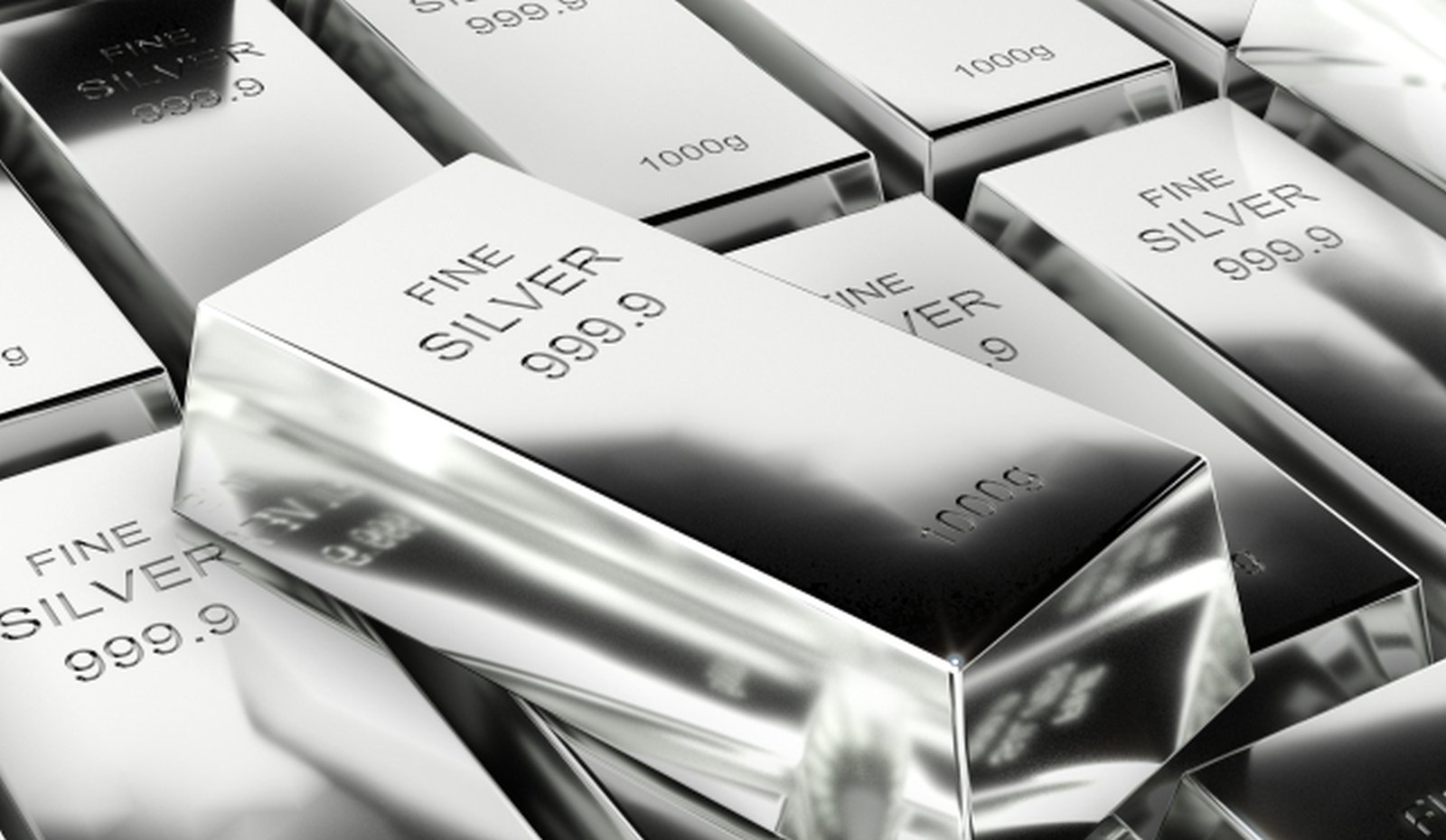
The global silver market is forecast to record its sixth consecutive annual deficit in 2026, with demand expected to exceed supply by 35 million ounces, despite weaker consumption in solar panels, jewellery and silverware as elevated prices encourage buyers to cut back.
The latest estimates from Metals Focus, which were presented at the Silver Institute’s Annual Silver Industry Dinner in New York, point to a market in transition. While total demand is forecast to fall by 5% year on year to 1.08 billion ounces, underlying industrial consumption outside photovoltaics is expected to increase by 4.5%, highlighting the metal’s continuing importance across a range of manufacturing and technology applications.
The projected shortfall would bring the cumulative deficit between 2021 and 2026 to approximately 746 million ounces. However, the gap is narrowing, with increased recycling and the release of metal through exchange-traded product (ETP) selling helping to ease physical market tightness.
A volatile year for silver prices
Silver prices have experienced a volatile year. The metal surged to a record US$121.65 an ounce on 26 January, supported by strong investment demand and tight physical liquidity in London. It subsequently retreated to around $52 by 4 November, down 27% since the beginning of the year, as shifting expectations for US interest rates, a stronger dollar and rising bond yields weighed on sentiment across precious metals.
The gold-to-silver ratio, which fell to 43 in January, its lowest level since 2011, had returned to the high 70s by early November.
Investment flows have also been unsettled. Global silver ETP holdings recovered by 24 million ounces from the end of June, partly reversing first-half outflows, but remained at 1.25 billion ounces on 3 November. That represented a decline of 55 million ounces, or 4%, since the start of the year. Metals Focus forecasts net outflows of 45 million ounces for the full year.
Silver’s uneven demand picture
The demand picture is increasingly uneven. Industrial consumption is forecast to reach 640 million ounces in 2026, around 22% above its 2019 level, although down 3% from last year. Excluding solar photovoltaics, industrial demand is expected to rise to 492 million ounces.
Automotive applications remain an important source of resilience, with vehicle electrification and the expansion of charging infrastructure supporting silver consumption. Demand for brazing alloys and solders is also expected to edge higher.
Solar, by contrast, is facing a more challenging environment. Installations have fallen short of expectations, particularly in China, while high silver prices have accelerated efforts by manufacturers to reduce the amount of metal used in cells or substitute alternative materials. Even so, total industrial demand is projected to record its fourth-highest level in the Metals Focus series.
Higher prices are having a more pronounced effect on consumer-facing markets. Silver jewellery demand is forecast to fall by 22% in 2026, while silverware consumption is expected to decline by 17%. In India, weaker rural spending and the rising cost of silver are encouraging consumers to buy smaller and lighter products. Changing preferences in China and subdued demand in Europe and the US are adding to the pressure.
There are pockets of resilience. Gold-plated silver designs are attracting Indian consumers seeking a lower-cost alternative to gold, while established branded jewellery businesses in the US are considered better positioned to absorb higher metal costs.
Silver bar and coin demand forecast to decline
Bar and coin demand is forecast to decline by a more modest 2% to 215 million ounces. Although buying has slowed considerably since the strong investment activity of late 2025 and early 2026, volumes are still expected to remain around 13% above 2024 levels. US retail investment is forecast to reach its lowest level since 2010, while Indian demand is expected to fall by 10%, despite signs of a modest recovery since June.
On the supply side, mine production is forecast to edge down by 0.5% to 834 million ounces. Lower output in Peru, China and Argentina is expected to offset gains in Mexico, Russia and Morocco. Primary silver mine production, however, is projected to rise by 6.5 million ounces to 233 million ounces.
Mexican mines still significant contributor
Mexico remains a significant contributor, with production forecast to increase by 6.6 million ounces to 174 million ounces. Improved grades and recoveries at Peñasquito, the restart of Tizapa and the first full year of commercial operations at Terronera are expected to support the increase.
Mining costs are also rising. Average all-in sustaining costs for primary silver producers increased by 47% in the first half of 2026 to $16.27 an ounce, reflecting lower ore grades, higher input costs, royalties and sustaining capital expenditure. Nevertheless, strong silver prices during the period meant average margins surged by 187% to $62.19 an ounce.
Recycling volumes forecast to rise
Recycling is providing another source of supply. Volumes are forecast to rise by 6% to 210 million ounces, their highest level since 2012. Higher industrial scrap availability is the main driver, while elevated prices are encouraging jewellery recycling, particularly in China, India and Turkey.
The outlook therefore presents a mixed picture for silver. Weaker consumer demand, substitution in solar manufacturing and softer investment flows have reduced some of the pressure on the physical market. Yet industrial applications beyond photovoltaics remain robust, mine supply is broadly flat and the market is still expected to record another annual deficit.
The scale of the cumulative shortfall underlines the extent to which demand has exceeded available supply in recent years. Whether that imbalance translates into renewed price strength will depend not only on industrial consumption and mine output, but also on the direction of investment flows, interest rates and the willingness of manufacturers and consumers to absorb higher prices.