
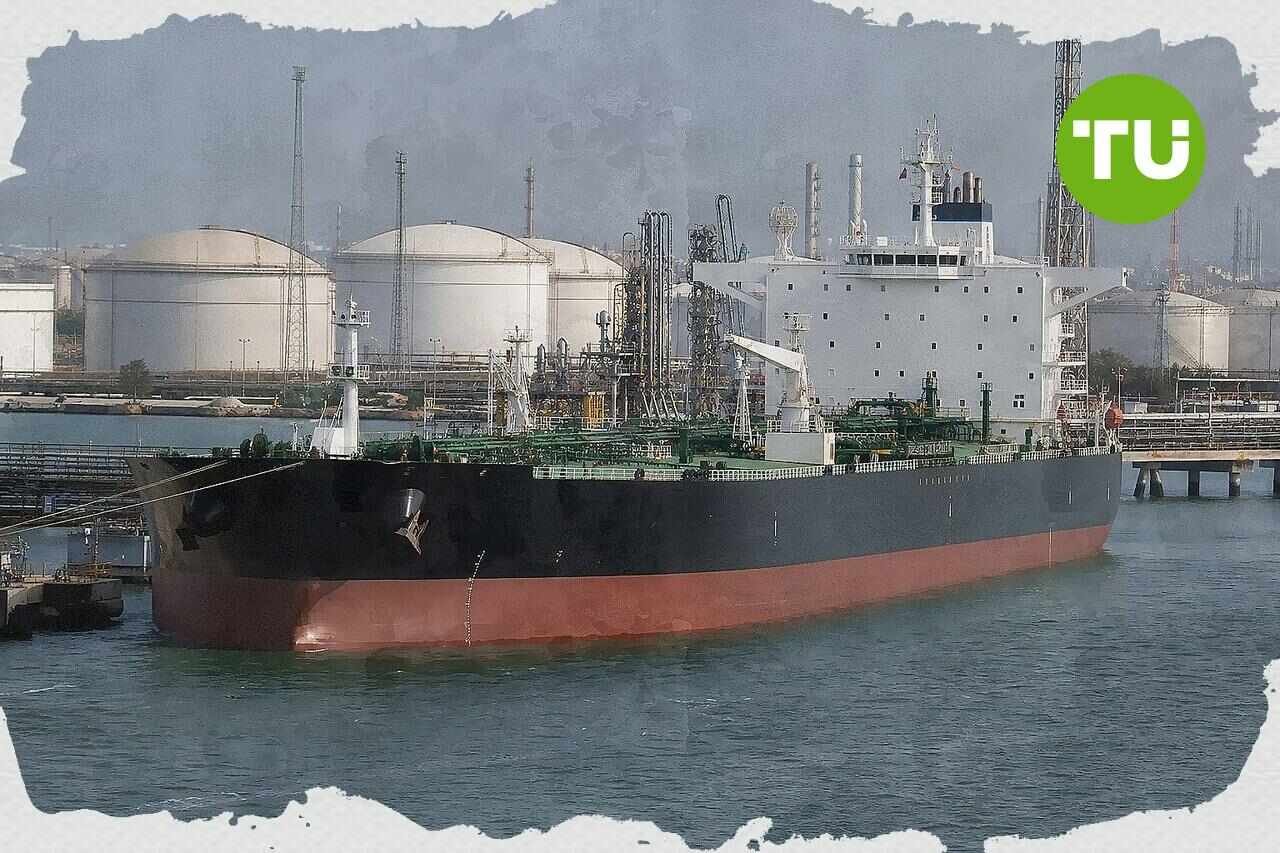
India’s crude buying pattern shifts in October as Saudi Arabia moves ahead of the UAE to become the country’s second-largest oil supplier behind Russia. The change comes as refiners raise overall imports to a record level and Gulf producers compete more aggressively for market share after regional supply disruptions.
Highlights
- Saudi Arabia’s oil shipments to India rose to 790,000 barrels per day in October, overtaking the UAE’s 612,000 for the first time since the Iran war disrupted flows.
- India’s total oil imports hit a record 5.58 million barrels per day in October, up 4.7% from September and 6.9% year-on-year, with Russia remaining the top supplier.
- From April to October, India’s oil imports from the UAE averaged 741,400 barrels per day (up 41.8% year-on-year), while Saudi volumes declined 18.4% to about 484,100 barrels per day.
October import rankings and supply drivers
As reported by Reuters, trade data show Saudi Arabia’s oil shipments to India rise above supplies from the UAE in October for the first time since the Iran war disrupted regional flows.
Russia remains India’s biggest oil supplier in October, followed by Saudi Arabia and the UAE. Saudi imports climb to an eight-month high of about 790,000 barrels per day, while purchases from the UAE fall to a seven-month low of 612,000 barrels per day.
Saudi Arabia raises output last month and boosts exports from the Red Sea port of Yanbu after attacks damage its East-West pipeline. The kingdom also offers crude discounts to offset high freight costs, making its barrels more competitive against other Middle Eastern producers and Russia, according to Indian refining sources.
Competition intensifies in key Asian demand markets
India’s total oil imports hit a record 5.58 million barrels per day in October, up 4.7% from September and 6.9% from a year earlier. Russian oil imports rise 3.5% from September to 1.85 million barrels per day, accounting for about a third of India’s total purchases.
Indian refiners increase Russian purchases after the Iran war disrupts Middle Eastern supplies in late February. Saudi shipments slow after the war affects traffic through the Strait of Hormuz, while imports from the UAE recover sharply from April.
The UAE begins transporting crude from fields west of the waterway for sale through ship-to-ship transfers outside the strait using a fleet of vessels, seeking a larger share of demand in key consuming markets including India after its exit from OPEC. The export push by both Gulf producers intensifies competition for market share, particularly in Asia.
During April to October, the first eight months of India’s fiscal year, India imports an average 741,400 barrels per day of oil from the UAE, up 41.8% from a year earlier. Purchases of Saudi oil over the same period decline 18.4% to about 484,100 barrels per day.
We have also looked at Strait of Hormuz risk after the IEA warned the Iran war has permanently dented confidence in the shipping corridor.
This material may contain third-party opinions, none of the data and information on this webpage constitutes investment advice according to our Disclaimer. While we adhere to strict Editorial Integrity, this post may contain references to products from our partners.