
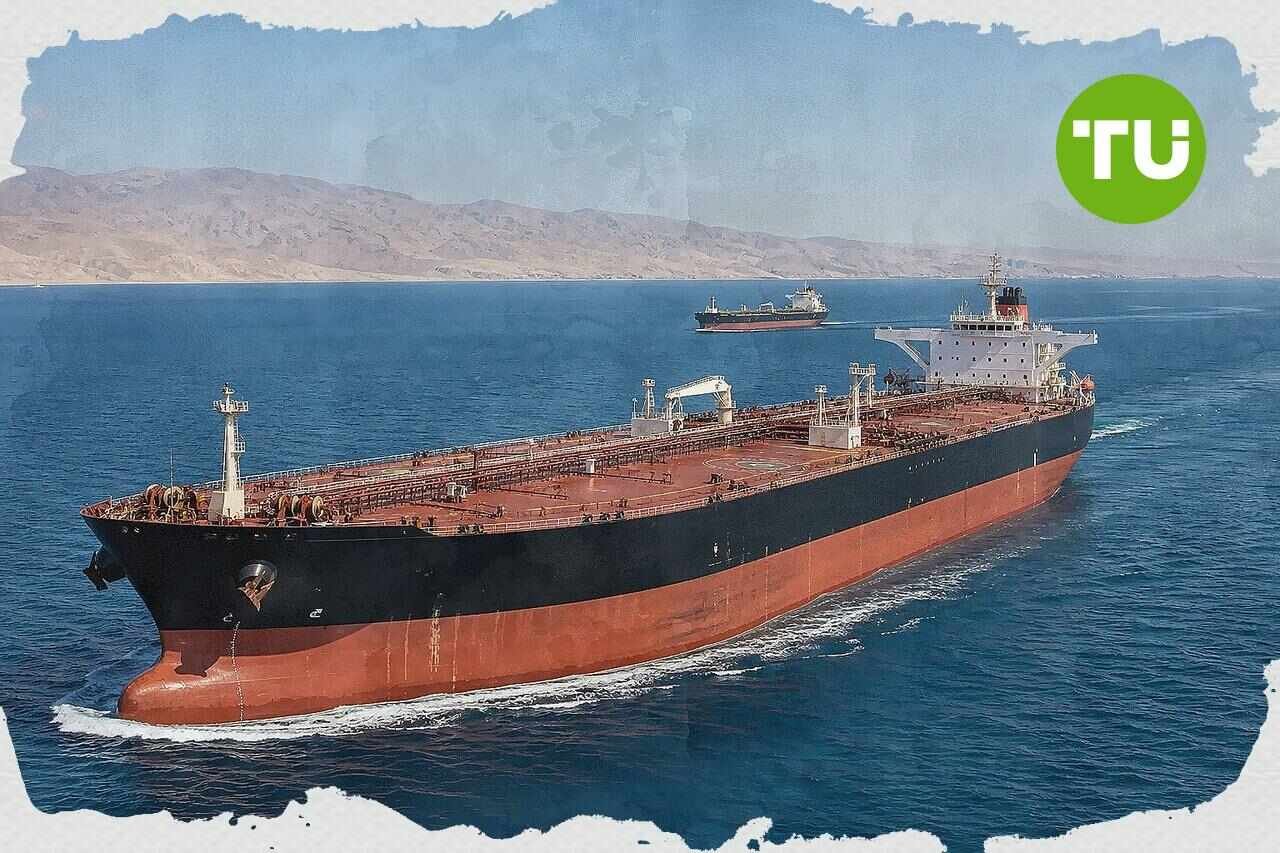
Middle East crude movements rebound in the third quarter of 2026 as producers raise exports and rework shipping routes after earlier disruptions linked to the conflict with Iran. The recovery in flows comes alongside high October oil prices, even as more recent shipping gains and inventory trends point to easing pressure on the market.
Highlights
- Middle East oil shipments through key chokepoints rose 19% in Q3 2026 as flows via the Strait of Hormuz and Suez Canal rebounded.
- October crude oil output in the region climbed to 23.1 million barrels per day and Brent averaged $124 a barrel, the conflict-period high, while global inventories dropped 400 million barrels since April.
- As of November 18, Brent has declined over $30 from October’s high with the EIA forecasting $99 per barrel average in December and $86 for 2027 amid increasing flows and rising inventories.
Shipping recovery and export adjustments
As reported by Today in Energy, the U.S. Energy Information Administration said collective oil shipments through key Middle East chokepoints increased 19% in the third quarter of 2026 from the second quarter. Flows through the Strait of Hormuz and the Suez Canal increased, while volumes through the Bab el-Mandeb decreased after second-quarter shipping had been heavily constrained following the onset of the conflict with Iran.
The EIA said the increase reflects wider use of smaller ships to move crude out of the Persian Gulf for ship-to-ship transfers onto very large crude carriers, as well as efforts by producers to maximize infrastructure that avoids the highest-risk areas. Initial shipping data from Vortexa show volumes remained close to third-quarter levels in October.
The agency estimates countries around the Middle East produced 23.1 million barrels a day of crude oil in October, the highest level since the conflict began. Despite the rise in exports and output, Brent crude averages $124 a barrel in October, the highest monthly level since the start of the conflict.
Inventory pressure and price outlook
Higher crude prices alongside stronger production and exports reflect tighter market balances, according to the EIA’s estimates. Global oil inventories stand 400 million barrels lower at the end of October than at the beginning of April, while world liquid fuels consumption reaches an estimated 102.8 million barrels a day in October, up 2.8 million barrels a day from the second-quarter average.
Vortexa data show China imports 76%, or 4.7 million barrels a day, more crude oil and condensates in October than in the second quarter. At the same time, supply from the U.S. Strategic Petroleum Reserve peaks at more than 1 million barrels a day in the second quarter before slowing to almost zero in October, while releases from other OECD strategic stocks under the International Energy Agency’s March action mostly reach the market in the second quarter.
In the United States, wholesale diesel’s premium to Brent averages $82 a barrel in October, up from $57 a barrel in the second quarter, while Bloomberg spot data show similar increases in Europe. The EIA said those margins encourage refineries to buy more crude and maintain high run rates.
As of November 18, Brent has fallen more than $30 a barrel from the October monthly average as steadily increasing flows through the Strait of Hormuz help push prices down. In its November Short-Term Energy Outlook, the EIA forecasts Brent will average $99 a barrel in December and $86 a barrel next year, while global inventories begin to rise, demand remains broadly flat at 102.8 million barrels a day in the first quarter of 2027, and additional strategic stock barrels are expected to reach the market.
In a previous article, we explained how restored Hormuz shipments helped push Brent crude lower on surplus expectations.
This material may contain third-party opinions, none of the data and information on this webpage constitutes investment advice according to our Disclaimer. While we adhere to strict Editorial Integrity, this post may contain references to products from our partners.