
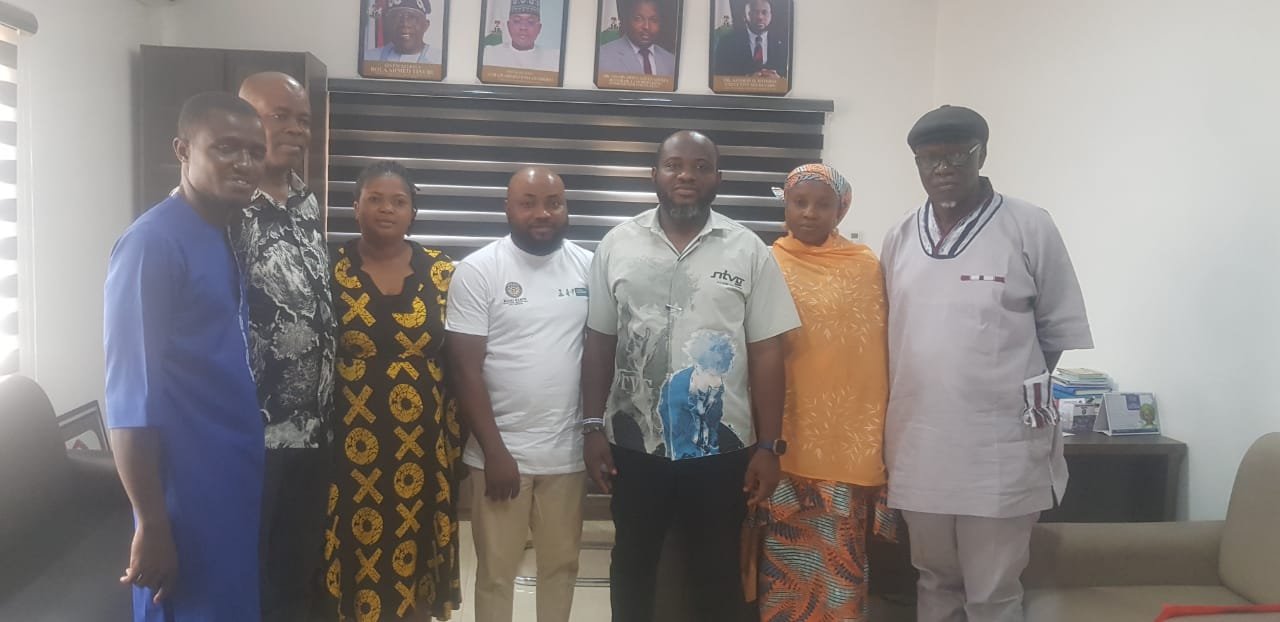

The persistent shortage of HIV prevention commodities in government-owned health facilities across Kogi State has raised fresh concerns, with GOSHEN Foundation calling for stronger civil society intervention and government action to address the situation.
The Foundation made the call during an advocacy visit to the Initiative for Grassroots Advancement in Nigeria (INGRA) in Lokoja, where it sought the organisation’s support in amplifying concerns over the scarcity of essential HIV prevention commodities and mobilising stakeholders towards finding lasting solutions.
The visit focused on the shortage of condoms, lubricants, HIV testing kits and Pre-Exposure Prophylaxis (PrEP), which the Foundation said was undermining access to critical HIV prevention services, particularly among key and vulnerable populations.
Speaking during the engagement, the GOSHEN delegation, which included its Programme Officer, Oluremi Haruna, and Monitoring and Evaluation Officer, Kemi Dominion, alongside Stephen Salami, State Lead of the TB Network, and Adekola Ranti, M&E and Programme Officer of NEPWHAN, presented findings from its community-led monitoring activities in four health facilities in Kabba.
The Foundation expressed concern that the recurring stockouts could weaken efforts to prevent new HIV infections and called for increased collaboration among civil society organisations, government institutions and development partners to tackle the challenge.
It urged INGRA to leverage its influence within the Kogi NGO Network (KONGONET) and the wider civil society community to champion a statewide awareness and advocacy campaign aimed at drawing attention to the shortages.
GOSHEN also called for strategic engagement with relevant government agencies and HIV implementing partners, including the Centre for Integrated Health Programs (CIHP), AIDS Healthcare Foundation (AHF) and other stakeholders, to mobilise resources and support towards improving the availability of prevention commodities.
Responding, INGRA Programme Officer Folakemi Gbadegesin
welcomed the advocacy initiative and acknowledged that shortages and stockouts of HIV prevention commodities remained serious challenges affecting the state.
Gbadegesin stressed the importance of collective advocacy and stronger partnerships in drawing government and development partners’ attention to the gaps in the delivery of HIV prevention services.
Both organisations also explored possible areas of collaboration, particularly INGRA’s facilitation of engagements with relevant partners to improve the availability and distribution of essential commodities to affected health facilities.
As part of its proposed interventions, GOSHEN suggested a transparent, civil society-supported distribution arrangement that would allow qualified community-based organisations to assist with the last-mile distribution and monitoring of approved HIV prevention commodities, subject to necessary authorisation and accountability mechanisms.
The Foundation expressed optimism that the engagement would strengthen civil society collaboration and generate practical interventions to address the shortages.
It reaffirmed its commitment to working with INGRA and other stakeholders to promote broader advocacy, strengthen accountability and ensure improved access to essential HIV prevention commodities across Kogi State.