
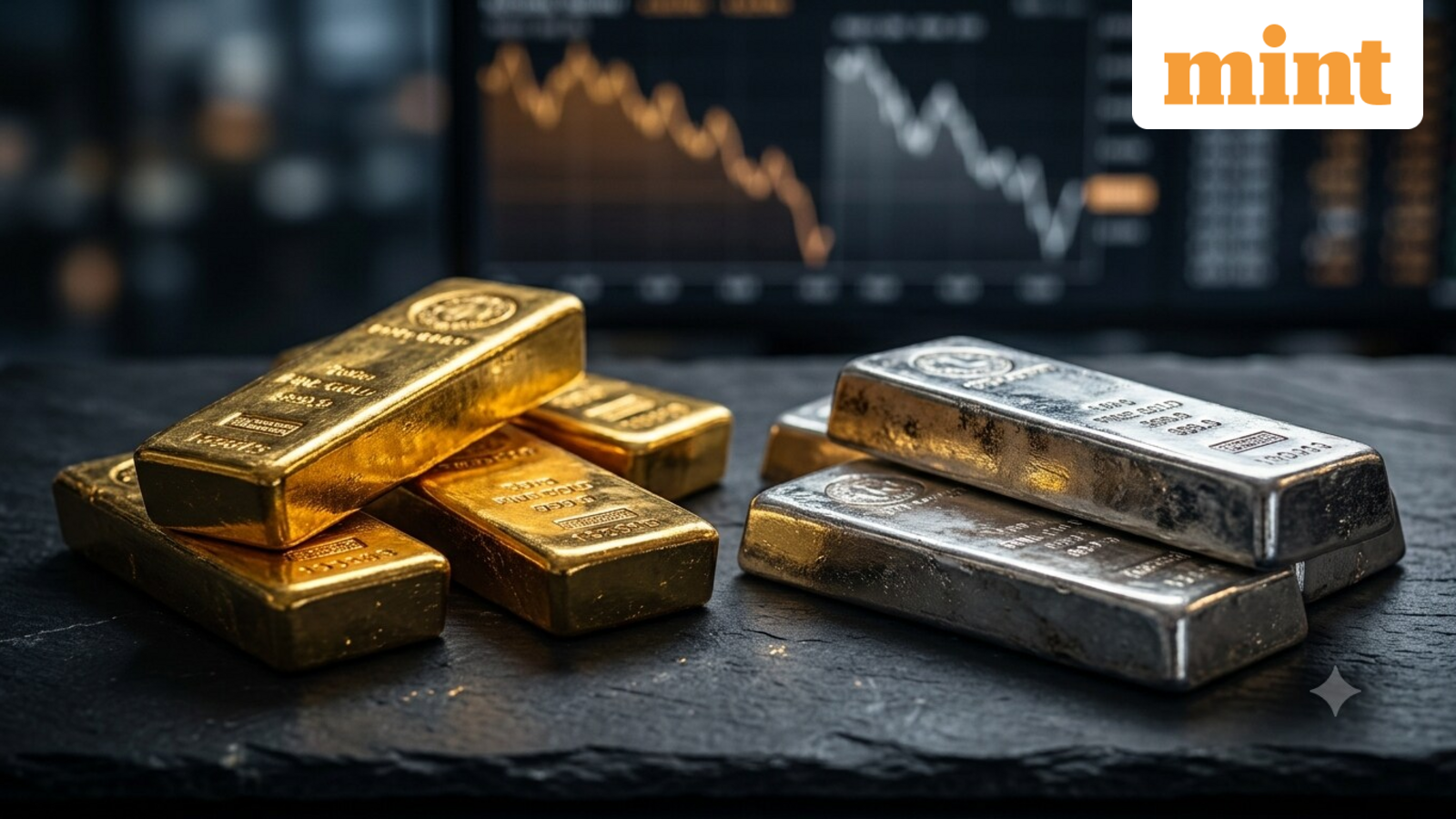
Gold and silver prices plunged in US trade on Friday, dragged down by a technology-driven stock market selloff, mounting concerns over global growth and expectations of further Federal Reserve rate hikes.
Gold fell towards $3,500 an ounce, hitting its lowest level since September 2025, while silver plunged nearly 4% as investors pulled back from commodities amid deteriorating risk sentiment.
According to Kitco, spot gold was trading at $3,537.90 an ounce at 5 p.m. ET on Friday, down $86.30, or 2.38%, while spot silver stood at $41.120, falling $1.637, or 3.83%. Gold touched an intraday low of $3,502.93, while silver slipped to $40.660.
The selloff came despite a weaker US dollar and declining Treasury yields, which would typically support precious metals, suggesting that broader portfolio liquidation and concerns about the economic outlook were overriding traditional market drivers.
Why are gold and silver prices falling?
1. Wall Street selloff triggers broader liquidation
The sharp decline in US equities triggered selling across asset classes as investors reassessed valuations of artificial intelligence companies, heavy technology spending and the sustainability of returns from AI investments.
The S&P 500 plunged 3.70% on Friday to close at 6,910.39, falling more than 10% from its October 6 record high and entering correction territory. The Nasdaq Composite tumbled 5.28% to 22,617.73, turning negative for the year, while the Dow Jones Industrial Average fell 949.73 points, or 1.93%, to 48,147.33.
The selloff extended losses for the week, with the Nasdaq declining approximately 10%, the S&P 500 losing 8.6% and the Dow falling around 8%.
The broader market weakness encouraged investors to reduce exposure to risk assets, with gold and silver also facing liquidation rather than benefiting from increased demand for safe havens.
2. Fed rate expectations continue to weigh on bullion
Expectations surrounding the Federal Reserve‘s December 8-9 policy meeting remain a key factor influencing precious metals.
Minutes from the Fed’s October meeting indicated that nearly all policymakers anticipated further interest rate increases, with persistent inflation remaining a major concern. Markets continued to favour a 25-basis-point increase in December, although expectations for a larger 50-basis-point move diminished.
Higher interest rates generally weigh on gold because bullion does not offer interest income, making it less attractive relative to yield-bearing assets.
However, Treasury yields declined on Friday, with the 10-year yield easing towards 4.94% and the two-year yield falling near 4.65%. The dollar also softened, but neither development provided meaningful support to precious metals as investors continued unwinding positions.
3. Silver faces additional pressure from growth concerns
Silver’s sharper decline reflects its dual role as an investment asset and an industrial metal. Concerns about slowing global economic growth, weaker manufacturing activity and reduced industrial demand have increased pressure on silver.
The metal’s exposure to sectors such as electronics, solar energy and manufacturing makes it more vulnerable to deteriorating economic expectations than gold. The technology-led market selloff and weakening industrial commodities further amplified silver’s losses.
4. Geopolitical tensions fail to lift safe-haven demand
Ongoing US-Iran tensions, risks surrounding the Strait of Hormuz and attacks on commercial shipping continue to underpin geopolitical uncertainty. However, these risks have failed to offset concerns about interest rates, economic growth and financial-market liquidation.
What lies ahead?
Investors will watch upcoming US economic data and Federal Reserve commentary for fresh clues on interest rates and growth. The outlook for precious metals will depend on whether the current selloff eases or deepens amid continued uncertainty over monetary policy and global markets.