
Last Updated:
The Essential Commodities Act is one of the government’s strongest tools to manage shortages of essential goods in times of disruption.




he move comes as global energy markets face uncertainty due to the ongoing conflict involving Israel, Iran and the United States, raising concerns about disruptions in oil and gas supply chains.
Amid growing concerns over disruptions in global energy supply amid the US-Israel-Iran war, the Indian government has invoked the Essential Commodities Act, 1955 to regulate the availability, supply and equitable distribution of petroleum, petroleum products and natural gas. The move comes as global energy markets face uncertainty due to the ongoing conflict involving Israel, Iran and the United States, raising concerns about disruptions in oil and gas supply chains.
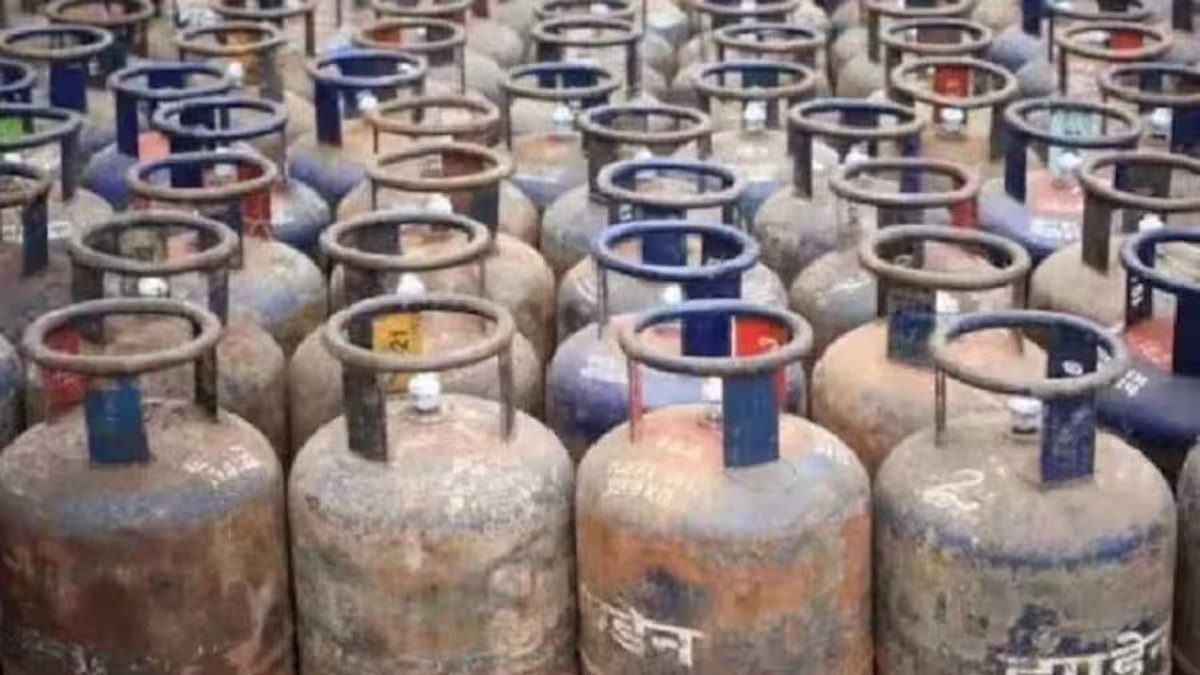
The war in West Asia involving Iran, Israel and the United States has hit Indian households and restaurants through disruptions in LPG supply. The Indian Hotel and Restaurant Association has written to Petroleum and Natural Gas Minister Hardeep Puri seeking help as restaurants face shutdown due to shortage of cooking gas.
The move empowers the Centre to intervene directly in the market to ensure that essential fuels remain available across the country and that hoarding or black marketing does not disrupt supplies. The Essential Commodities Act is one of the government’s strongest tools to manage shortages of essential goods. By invoking it for fuel, the Centre can issue directions controlling how petroleum products are produced, stored, transported and sold in the country.
What Is The Essential Commodities Act?
The Essential Commodities Act (ECA) was enacted by Parliament in 1955 to ensure that goods critical for everyday life remain available to the public at fair prices. The law allows the central government to regulate the production, supply and distribution of commodities it considers essential in the public interest.
Over the decades, the list of essential commodities has included food grains, edible oils, drugs, fertilisers and petroleum products. The government has the authority to add or remove items from the list depending on prevailing circumstances.
The law was designed primarily to prevent hoarding, profiteering and artificial shortages, particularly during crises such as wars, natural disasters or supply disruptions.
What Powers Does The Government Get Under The Act?
The most significant powers under the law come from Section 3, which allows the Centre to take wide-ranging steps to maintain supply and ensure fair distribution of essential commodities.
Under these provisions, the government can regulate or even restrict the production and refining of a commodity if necessary. It can also control the supply chain and direct how commodities are distributed across states.
The Act also allows the government to fix prices or impose price caps if market volatility threatens consumer access. Another key power is the ability to impose stock limits on traders, wholesalers or retailers in order to prevent hoarding.
Authorities can also order companies or distributors to release stored stocks into the market if supplies become tight. In addition, the government can introduce licensing requirements for storage, transport or sale of essential commodities.
To enforce these rules, officials are empowered to inspect premises, seize hoarded stocks and initiate legal action against those found violating the regulations.
Why Petroleum And Natural Gas Are Covered
Fuel products have long been considered essential commodities in India because of their importance to the economy and daily life.
Petroleum fuels transport networks, supports electricity generation, powers industry and provides cooking fuel to millions of households. Any disruption in fuel supply can therefore have cascading effects across multiple sectors.
Because of this, petroleum and petroleum products have historically been included in the list of essential commodities. Several regulatory orders governing fuel distribution — including those related to LPG supply and motor spirit or high-speed diesel — have been issued under the Essential Commodities Act.
These mechanisms allow the government to intervene quickly if supply chains come under stress.
What Happens Now That The Act Has Been Invoked?
With the law invoked amid the West Asia conflict, the government can exercise tighter oversight over India’s fuel supply chain.
Authorities can direct oil companies on how fuel should be distributed and ensure priority supply for critical sectors such as defence, transportation, hospitals and essential services.
The government can also prevent panic buying or stockpiling by imposing limits on how much fuel wholesalers or retailers are allowed to store.
Another key measure is ensuring equitable distribution of supplies across regions. If shortages emerge in certain states or cities, the government can redirect fuel supplies to those areas.
Regulators may also increase inspections at refineries, fuel depots and distribution networks to ensure that supplies are not diverted to the black market.
Why The Government Is Taking This Step Now
India imports more than 80 per cent of its crude oil requirements, making it particularly sensitive to disruptions in global energy markets.
Any escalation in the West Asia conflict could affect shipping routes, oil production or energy infrastructure in the region, potentially tightening global supply and pushing prices higher.
By invoking the Essential Commodities Act, the government is signalling that it is prepared to actively manage fuel supply and distribution if disruptions intensify.
In effect, the move is aimed at preventing shortages, stabilising the market and ensuring that essential sectors and consumers continue to receive uninterrupted fuel supplies even if global energy markets become volatile due to the war.
March 10, 2026, 12:01 IST
Read More