
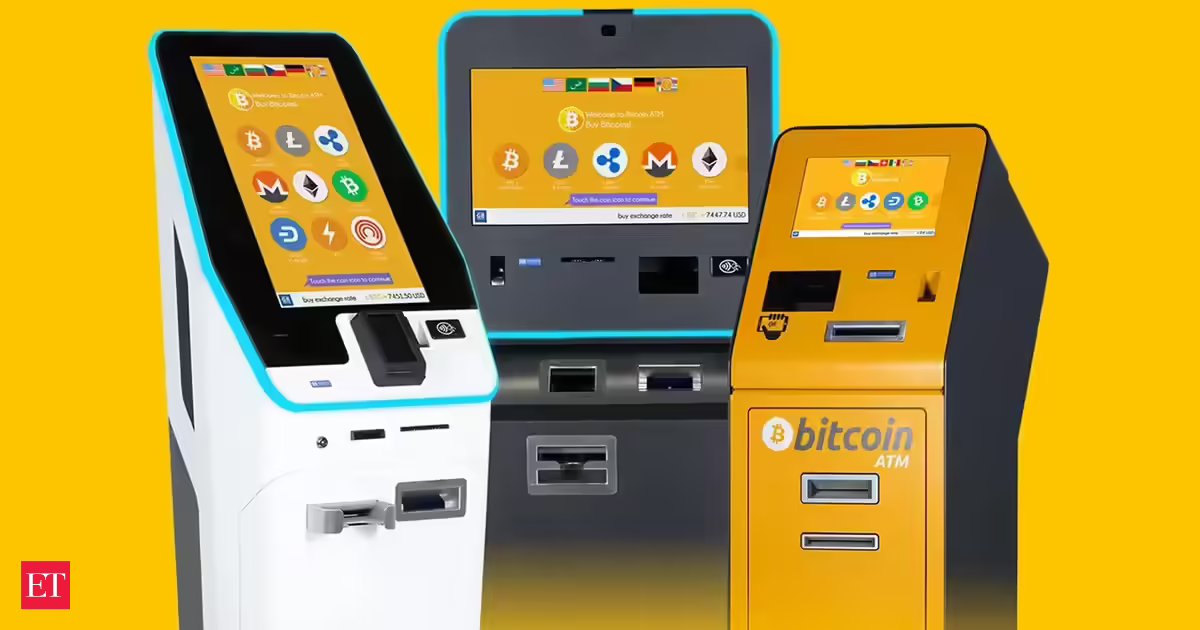
In Haverhill, authorities are moving to ban crypto ATMs entirely, signaling a broader shift in how local governments view these machines. Initially installed to make cryptocurrency transactions easy and accessible, crypto ATMs are now increasingly linked to fraud, money laundering, and lack of accountability. The proposed ordinance, backed by strong political support, reflects urgent concerns over consumer protection.
The crypto ATMs 60-day removal order requires all machines to be shut down or removed within two months, with heavy penalties for non-compliance. This move has sparked debate across the United States, raising questions about the future of crypto accessibility and safety in daily financial transactions.
Crypto ATMs face 60-day removal order: What triggered the crackdown?
The crypto ATMs face 60-day removal order in Haverhill did not happen overnight. It stems from a steady rise in scams targeting vulnerable users, particularly the elderly and those unfamiliar with digital assets.
Mayor Melinda E. Barrett proposed the ordinance in March, citing serious risks tied to unregulated crypto ATM usage. The proposal quickly gained traction, receiving 11 votes in favor, reflecting strong consensus among city officials.

Authorities argue that crypto ATMs lack proper oversight. Unlike traditional banking systems, these machines often operate without sufficient consumer protections. This makes it easier for fraudsters to exploit users, especially in high-pressure scam situations.
The ordinance clearly states that failure to remove machines within 60 days will result in fines of $300 per day per machine, adding urgency to compliance. This strict enforcement highlights how seriously officials are taking the issue.
Why are crypto ATMs becoming risky for users in 2026?
The growing concern around crypto ATMs face 60-day removal order is deeply tied to how scammers use these machines. Fraudsters often instruct victims to deposit cash into crypto ATMs, converting it into digital currency that becomes nearly impossible to trace or recover.
One major issue is the lack of recourse. Once a transaction is completed, users have little to no way of reversing it. This is very different from traditional banking systems, where fraud protections are stronger and disputes can be filed.
Additionally, regulators point to the absence of both federal and state oversight. This regulatory gap allows operators to function with minimal accountability, increasing the risk for consumers.
High transaction volumes also make crypto ATMs attractive targets. The ease of use, which was once their biggest advantage, has now become a vulnerability. In many cases, users are manipulated into making transactions under false pretenses, leading to significant financial losses.
Why is Bitcoin Depot most affected by crypto ATM risks?
As the largest operator in the space, Bitcoin Depot is at the center of the crypto ATMs face 60-day removal order debate. Its extensive network and high transaction volumes make it particularly exposed to fraudulent activities.
The company has already faced financial challenges. Since late 2025, Bitcoin Depot has reported declining revenues, raising concerns about its long-term stability. Leadership changes followed, with Scott Buchanan stepping down and Alex Holmes taking over.
Legal troubles have also intensified scrutiny. In early 2026, Andrea Joy Campbell filed a lawsuit against the company, alleging that scammers used its machines to defraud residents.
Despite these issues, the company’s stock recently rose by 7.39% to $2.18. However, this short-term gain contrasts sharply with a 91% decline over the past six months, indicating deeper structural challenges.
Crypto ATMs face 60-day removal order: Is this part of a wider U.S. trend?
Haverhill is not alone. The crypto ATMs face 60-day removal order reflects a broader trend across multiple U.S. regions responding to rising scam incidents.
In New Hampshire, lawmakers have introduced bipartisan legislation aimed at protecting victims. Under the new law, individuals who report crypto ATM fraud within 14 days can receive reimbursement, offering a safety net that did not previously exist.
Other cities have taken even stricter measures. South Hadley imposed a complete ban after a scam incident resulted in losses exceeding $11,000. Similar bans have been implemented in Waltham and Gloucester.
These developments show a clear pattern. Local governments are increasingly prioritizing consumer safety over crypto accessibility, especially as fraud cases continue to rise.
What does the crypto ATMs 60-day removal order mean for users and the future?
The crypto ATMs face 60-day removal order raises important questions about the future of cryptocurrency adoption. While these machines were designed to simplify access to digital assets, their misuse has exposed critical flaws in the system.
For users, the message is clear: caution is essential. Authorities are urging people to verify transactions, avoid unsolicited instructions, and report suspicious activities immediately.
For the industry, this could be a turning point. Increased regulation, improved security measures, and stronger consumer protections may become necessary to restore trust.
At a broader level, the crackdown signals a shift in how governments approach crypto infrastructure. Convenience alone is no longer enough. Safety, transparency, and accountability are now at the forefront of policy decisions.
As more cities evaluate similar measures, the crypto ATMs face 60-day removal order could mark the beginning of a nationwide reassessment of how digital currency is integrated into everyday life.
FAQs:
1. Why are crypto ATMs becoming risky for everyday users in 2026? Crypto ATMs are becoming risky due to rising fraud cases, lack of regulatory oversight, and irreversible transactions that leave users with no recovery options. Scammers increasingly exploit these machines by pressuring victims to deposit cash quickly, converting it into untraceable cryptocurrency. This combination of ease of use and weak consumer protection has made crypto ATMs a major tool for financial scams.
2. What does the crypto ATMs 60-day removal order mean for crypto users and investors?
The crypto ATMs 60-day removal order signals stricter regulation and reduced physical access to cryptocurrency transactions in affected areas. Users may face limited convenience but gain improved protection against scams and fraud-related losses. For investors, this move highlights growing regulatory pressure on the crypto ATM industry, which could impact business operations and market confidence going forward.