
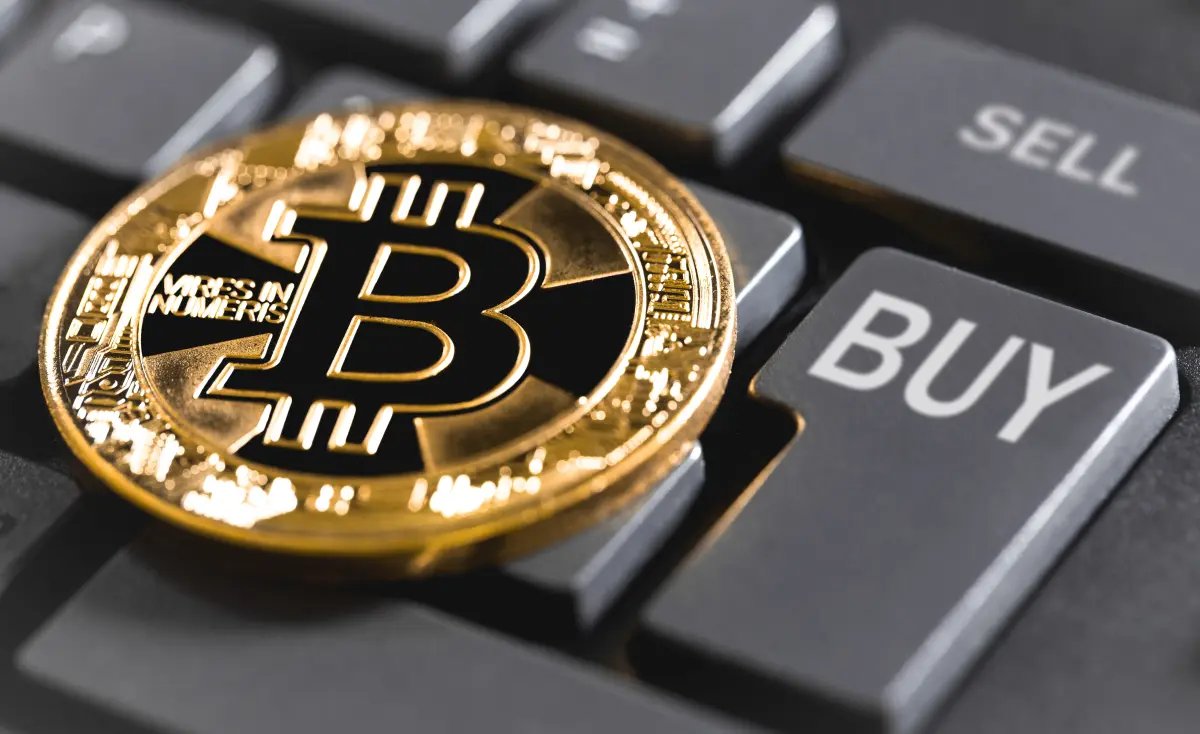
The first time most people see Bitcoin on a screen, it looks less like money and more like a dare. One minute it’s flashing green on a brokerage app, and the next it’s sliding hard enough to make your stomach drop.
As of late March 2026, Bitcoin is trading near $68,000. We’ve had another choppy week that reminded everyone this thing still moves like a sports car on wet pavement. But beneath the chaotic price action and the very loud internet fan base, what are you actually putting your money into?
If you strip away the philosophy and the hype, here is the reality of what Bitcoin is, how it works and what it actually does to your portfolio.
It’s Not a Stock (So Stop Looking for the CEO)
When you buy a share of Apple, you own a fractional slice of a business. There is a CEO, a factory, a quarterly dividend and an earnings call.
Bitcoin has none of that. It is a digital asset recorded on a blockchain, which is simply a running, public ledger spread across a massive network of computers. Every transaction is bundled into “blocks,” verified by this network, and added to the chain. The computers that do this verification are called miners, and they are rewarded with new Bitcoin.
Those are the basic basics. But the reason Wall Street cares comes down to one line of code: The supply is strictly capped at 21 million coins. That cap is why Bitcoin fans talk about it the way gold buyers talk about bullion. They like the fixed supply, and they specifically like that central banks can’t just print more of it. No one can wake up and decide to create another 5 million Bitcoin simply because an election is coming or a recession looks ugly.
The Regulators’ Reality Check
Because Bitcoin doesn’t fit neatly into the traditional finance box, the rulebook is split across different government agencies, which is a massive source of confusion for newcomers.
- The CFTC treats Bitcoin as a commodity (specifically, a “convertible virtual currency”). This puts it in a similar regulatory bucket to gold or oil, rather than a plain-vanilla stock.
- The SEC has historically thrown a bucket of cold water on the party. Even when they approved spot Bitcoin Exchange-Traded Products (ETPs) back in January 2024, Gary Gensler’s statement was incredibly narrow. He stressed that Bitcoin is a “speculative, volatile asset” and explicitly noted that approving Bitcoin funds was not a blanket pass for the rest of the crypto market.
The Custody Divide: Keys vs. Convenience
This might sound boring until it’s your money: How are you actually holding this stuff? Investors are generally split into two camps.
Camp 1: The Purists (“Not your keys, not your coins”): These investors want to hold the asset directly in a personal crypto wallet. They manage their own public and private keys. The upside? Total control. The downside? Lose those keys, and you lose your money … forever. Plus, if you trust the wrong unregulated offshore exchange to facilitate the trade, you might be trusting the financial equivalent of a folding table in a parking lot.
Camp 2: The Pragmatists (The Brokerage Route): This group wants exposure without learning the plumbing. They want to open an app like SoFi, tap “buy,” see their Bitcoin position show up right next to their index funds, and move on with their day. Whether they are buying the asset through a regulated bank or buying an SEC-approved ETF, they are trading direct ownership for institutional security and convenience.

What It Actually Does to Your Money
Lately, Wall Street has started speaking about Bitcoin in much smaller, less messianic terms. The conversation has shifted from “this will replace the dollar” to “how does this affect my retirement account?”
Fidelity’s recent research on portfolio construction reads like a risk memo, not a manifesto. It found that adding even a tiny 1% allocation of Bitcoin changed a traditional portfolio’s volatility in a highly noticeable way.
Larger allocations made the portfolio’s overall risk jump drastically. The institutional message right now isn’t “back up the truck.” It’s “know exactly what you’re doing before you hit buy.“
The Bottom Line for 2026
Bitcoin is not Monopoly money, but it’s not a magic vault, either. It is an extremely volatile digital commodity with deep liquidity, a fixed supply, and a fan base that can sound like a religion on any given day.
If you’re staring at the buy button, trying to decide if you want in, the smart move is the unglamorous one: Know exactly what problem you are trying to solve.
If you want a get-rich-quick ticket, Bitcoin will ruin your weekend. If you want a small piece of a volatile alternative asset and can stomach some truly ugly drawdowns – but could pay out some serious dividends – you’re looking in the right place.
Frequently Asked Questions
Is Bitcoin considered a stock, a bond or a currency?
Legally, regulators like the CFTC classify Bitcoin as a commodity. It does not pay dividends like a stock or yield interest like a bond. You are buying a scarce digital asset, hoping the market price appreciates over time.
What is the difference between buying Bitcoin on SoFi and buying a Bitcoin ETF?
When you buy through SoFi Crypto, the platform buys and custodies actual Bitcoin on your behalf. When you buy a Spot Bitcoin ETF (like the ones from BlackRock or Fidelity) through a traditional brokerage, you are buying shares of a fund that holds Bitcoin. Both give you exposure to the price, but the underlying structure and fees differ.
Do I need to buy a whole Bitcoin?
No. Bitcoin is divisible down to eight decimal places. You can buy $10, $50, or $100 worth at a time. These fractions are called “satoshis.”
What happens if I lose money on Bitcoin? Can I write it off?
Because the IRS treats crypto as property, capital gains and losses apply. If you sell Bitcoin at a loss, you can typically use that capital loss to offset other capital gains, and potentially up to $3,000 of ordinary income. (Always consult a tax professional for your specific situation.