
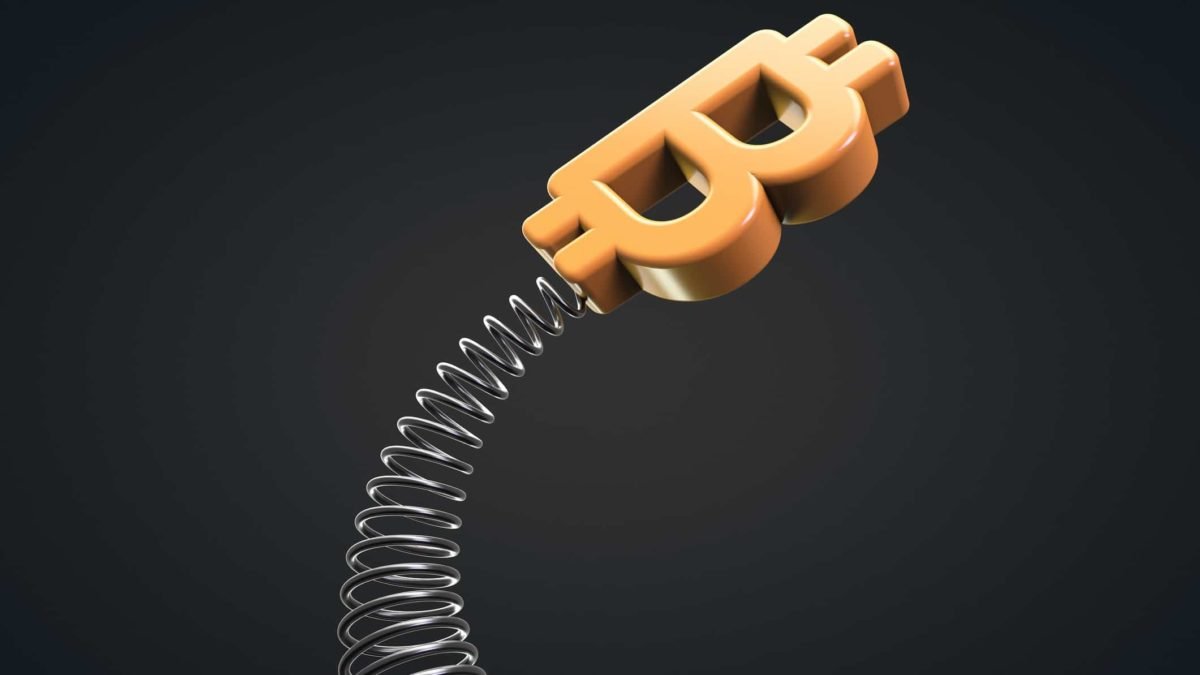
The Bitcoin (CRYPTO: BTC) price has endured a bruising 2026.
The world’s largest cryptocurrency is down around 25% since the start of the year. It has also traded over 50% below the record high of roughly US$126,000 reached in October 2025, reaching lows of US$57,717 recently.
That decline looks even more striking because other pockets of the market have continued to attract investors.
So, why has Bitcoin been left behind, and what might bring buyers back?
Image source: Getty Images
Follow the opportunity cost
Bitcoin has a fixed maximum supply of 21 million coins. With supply constrained, the price is heavily influenced by changes in demand.
And right now, investors have had plenty of other places to chase returns.
Artificial intelligence remains the market’s dominant growth story. Capital has flowed into the companies building the technology and the bottlenecks surrounding it, including semiconductors, memory, data centres, power infrastructure, energy, and key materials.
That does not necessarily mean investors have abandoned Bitcoin forever. It does mean the cryptocurrency is competing for attention and capital against some of the strongest momentum trades in global markets.
Recent outflows from US spot Bitcoin exchange-traded funds have added to the pressure, removing a source of demand that helped fuel the 2025 rally.
Higher rates remain a headwind
Bitcoin supporters often describe the asset as digital gold or hard money. Yet its recent behaviour has looked more like that of a high-risk investment.
That matters while interest rates remain higher for longer.
When cash and government bonds offer more attractive returns, investors generally have less incentive to move further out on the risk curve. Higher borrowing costs can also reduce the amount of liquidity available for speculative assets.
In simple terms, restrictive monetary policy tends to support a “risk-off” environment. Bitcoin has historically benefited when financial conditions loosen and liquidity becomes more abundant.
A shift towards lower interest rates, particularly from the US Federal Reserve, could therefore improve sentiment. But persistent inflation or renewed rate rises could keep the pressure on.
Could the CLARITY Act change the mood?
Regulation could be another major catalyst.
The proposed US CLARITY Act aims to create a clearer legal framework for digital assets and define how the Securities and Exchange Commission and Commodity Futures Trading Commission oversee the market.
If the legislation becomes law, it could reduce uncertainty for banks, asset managers, trading platforms, and listed companies considering Bitcoin-related services or investments.
That may support broader access through exchange-traded funds, wealth platforms, corporate treasuries, and traditional financial institutions.
However, passage is far from guaranteed. Political disputes, voting hurdles, and differences between the House and Senate versions could still delay or derail the legislation.
That cuts both ways. Progress could lift confidence, while another setback could disappoint investors who have already priced in some regulatory improvement.
The longer-term Bitcoin argument
The final potential driver is broader acceptance of Bitcoin as a store of value.
Governments and central banks can expand the supply of fiat currencies. Bitcoin’s hard-coded limit underpins the argument that it could help protect purchasing power over long periods.
For that thesis to strengthen, Bitcoin must continue moving beyond speculation. More investors, institutions, and businesses would need to treat it as a durable reserve asset rather than simply a vehicle for short-term trading.
That outcome remains uncertain. Bitcoin has not consistently behaved like a safe haven, and its price can still fall sharply when markets turn defensive.
Foolish takeaway
Bitcoin’s recent weakness reflects more than one problem. Capital has rotated towards stronger momentum elsewhere, interest rates remain restrictive, and regulatory uncertainty has not disappeared.
The reverse could also be true. Clearer US rules, lower interest rates, and wider adoption as hard money could bring demand back quickly.
But investors should not confuse possible catalysts with guaranteed outcomes. Bitcoin remains highly volatile, produces no earnings or cash flow, and can suffer deep drawdowns.
In the meantime, continue to treat Bitcoin as a risky asset and limit your exposure accordingly.