
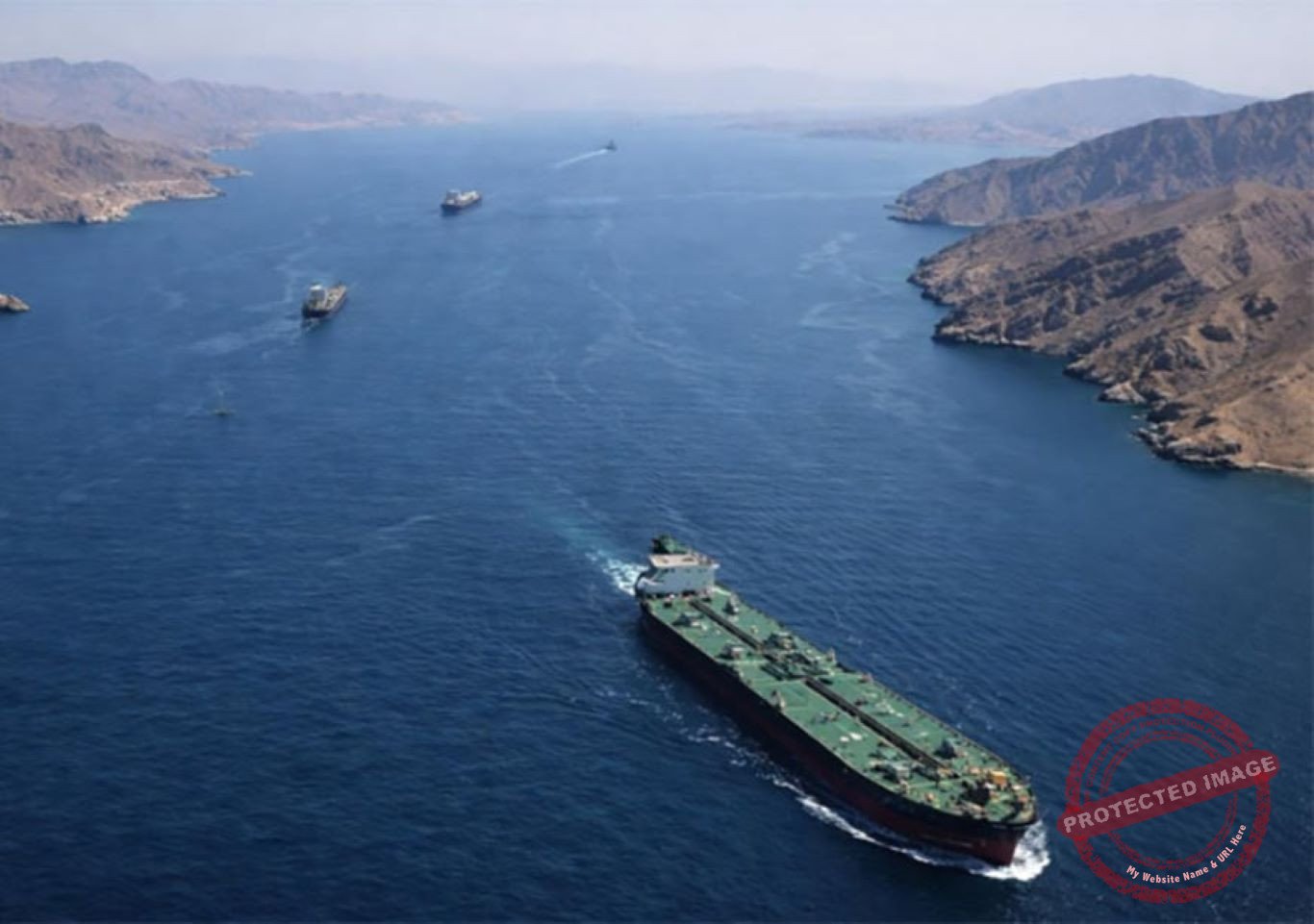

Picture this: a massive oil supertanker loaded with 2 million barrels approaches the narrow Strait of Hormuz — the lifeline carrying 20% of the world’s oil — only to be told it must send Bitcoin within seconds or get turned away. That’s the new reality Iran just imposed during the fragile April 2026 ceasefire.
In a move that’s sending shockwaves through global shipping, energy markets, and the crypto world, Iran has launched what many are calling the planet’s first state-run crypto tollbooth. Starting this month, every loaded tanker passing through the vital 21-mile-wide waterway between Iran and Oman must email cargo details, receive a Bitcoin invoice for $1 per barrel, and complete the payment in just “a few seconds.” Empty ships sail free. Fail to pay, and you don’t pass.
The system, announced on April 8 by Iran’s Oil, Gas and Petrochemical Products Exporters’ Union and reportedly managed by the Islamic Revolutionary Guard Corps (IRGC), applies to the roughly 20.9 million barrels of oil and refined products that normally flow through the strait each day.
A typical supertanker could face a $2 million Bitcoin toll for a single crossing. With potential daily revenue estimated at around $20 million from oil tankers alone — and even more if LNG is included — the move is seen by many as a creative way for sanctioned Iran to generate hard-to-seize cash while bypassing traditional banking systems like SWIFT.
Iran says the toll helps it monitor traffic and prevent weapons smuggling during the two-week ceasefire that followed its 40-day closure of the strait beginning February 28. Critics argue the real goal is straightforward: urgent revenue in a form that Western sanctions can’t easily freeze.
Shipping companies are scrambling to adapt. Most lack ready Bitcoin infrastructure, forcing them to set up wallets, manage crypto volatility, and handle instant payments under pressure. Insurance costs have spiked, and traders are already baking the toll into oil prices. China’s state shippers are reportedly negotiating lower “friendly nation” rates, while Western governments have condemned the policy — though their leverage is limited since part of the strait lies in Iranian waters.
The audacious move has also sparked a wave of fintech innovation almost overnight. Entrepreneurs are racing to build tools that make compliance easier:
- Services that instantly convert fiat currency to Bitcoin and execute the toll payment in seconds.
- Live dashboards tracking ship movements via AIS data alongside on-chain Bitcoin transactions.
- Compliance software to help firms document payments and navigate sanctions risks.
If this experiment succeeds, it could become a blueprint for other nations controlling strategic chokepoints like the Suez Canal or Bosporus. For now, the world’s most important oil highway has a new rule: pay Iran in Bitcoin — fast — or stay out.
Global energy markets, shipping giants, and crypto enthusiasts are all watching closely to see whether this bold tollbooth becomes a lasting model or a short-lived provocation.
Follow Us on Social Media
