
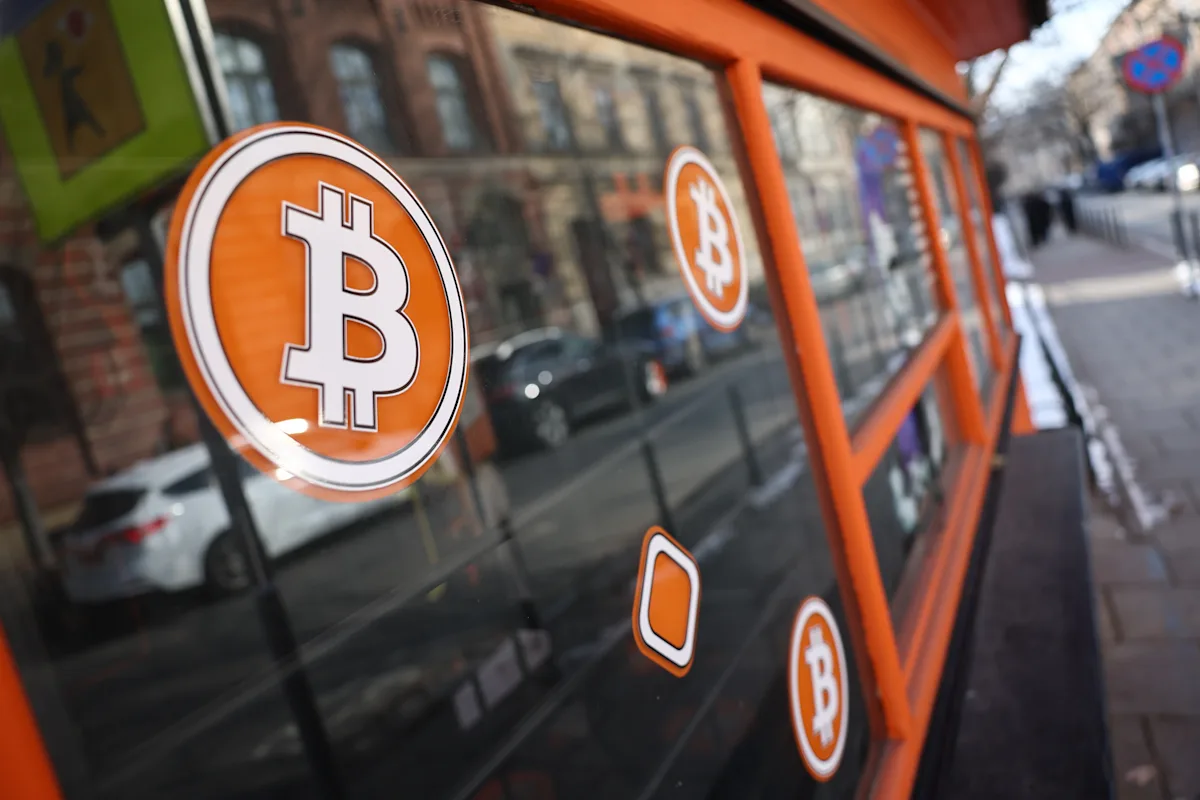
Bitcoin (BTC-USD) is trading just below the $70,000 psychological threshold, slipping approximately 1.6% over the last 24 hours.
The price action follows an overnight surge where the digital asset tagged $71,500 (£53,525), buoyed by the potential for a diplomatic breakthrough in the conflict between the US, Israel, and Iran. That optimism briefly reignited investor appetite for risk assets; however, subsequent confusion over the state of play for peace talks saw those gains stall.
Read more: Stocks slip amid doubts over US-Iran peace deal
Renewed uncertainty sent crude oil (BZ=F, CL=F) prices climbing back to $103 a barrel on Thursday morning, a move that weighed heavily on Asian equities and broader market sentiment.
Despite the recent volatility, bitcoin (BTC-USD) has shown notable resilience. The premier cryptocurrency has materially outperformed gold (GC=F) during the latest geopolitical flare-up, even as it remains in a prolonged correction phase from its October 2025 all-time high of above $126,000.
Read more: Crypto live prices
The global cryptocurrency market cap now stands at $2.48tn, a decrease of around 1.7% in the last day. While bitcoin’s (BTC-USD) price has collapsed by over 40% from its record peak in October, the downturn comes amid a period of surprising institutional strength.
US spot bitcoin ETFs have recorded five consecutive weeks of net inflows, totalling $2.5bn in March alone. Led by BlackRock’s IBIT, this represents the longest such streak since July 2025.
Aggregate monthly data for US spot Bitcoin ETFs suggests that institutional interest has not fully deteriorated. Earlier in March, bitcoin ETFs recorded approximately $458m in cumulative inflows following a prolonged period of redemptions.
This indicates that capital continues to rotate in response to evolving macro signals, with investors increasingly treating bitcoin (BTC-USD) as a macro-sensitive asset tied to interest rate expectations and global liquidity.
Read more: What crypto investors need to know about the UK’s sandbox scheme
Contrast this with on-chain data showing a net outflow of bitcoin (BTC-USD) from exchanges over the past month. This persistent withdrawal suggests genuine long-term accumulation by investors who are moving coins off centralised platforms.
This shift from short-term speculation to a patient, on-chain build-up may eventually fuel the next leg higher, as ETF flows remain a primary driver of market structure and price discovery.
Rachael Lucas, crypto analyst at BTC Markets, noted that while the institutional floor is firm, the technical breakout has yet to be confirmed.