
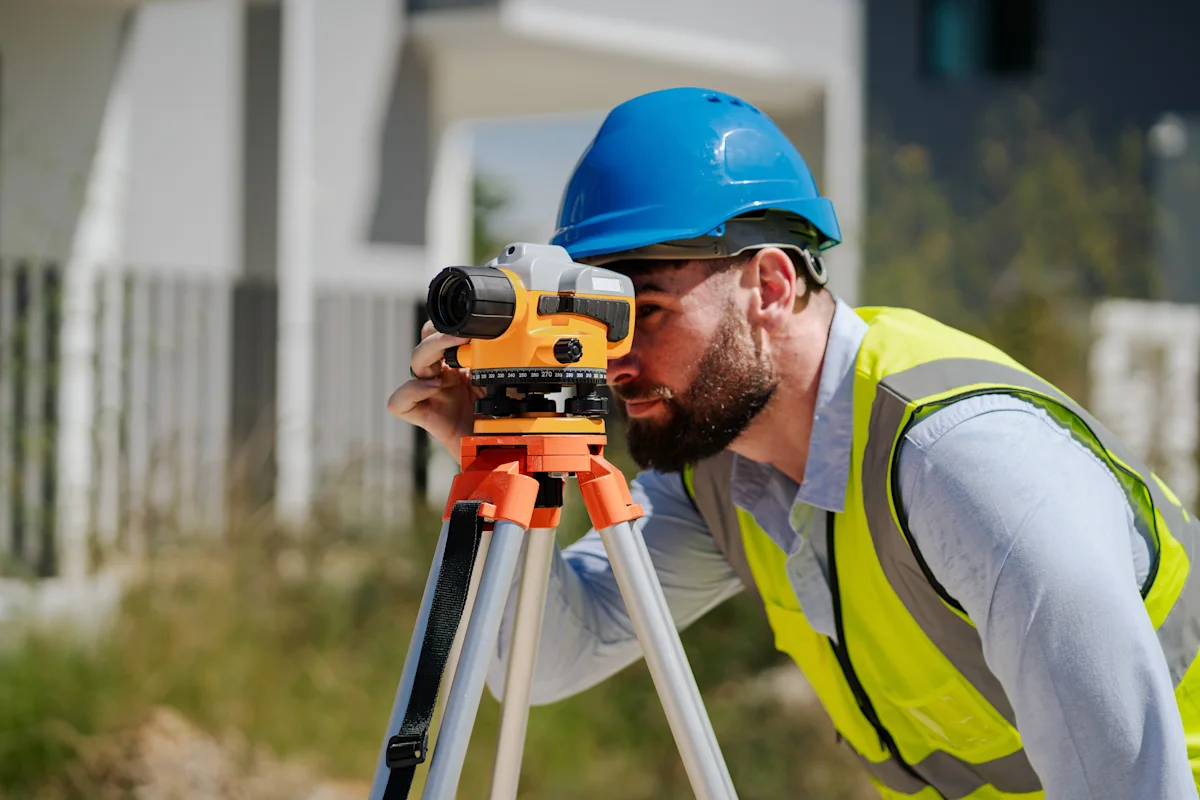
When buying a home, you may need to get a property survey before closing the deal. Property surveys help you understand precisely where your property ends and your neighbor’s begins, which can come in handy if you’re considering adding features like a fence and want to avoid boundary disputes.
Here’s everything you need to know about property surveys, including how to read them and how much they cost.
Learn more: Closing on a house — What to expect and how to prepare
This embedded content is not available in your region.
In this article:
What is a property survey?
A property survey shows where your property begins and ends. In other words, it confirms your land boundaries. To perform a property line survey, a surveyor will draw a map showing exactly where the property boundary lines are in relation to the street and all the surrounding properties. This map identifies each structure within the plot, including the house itself and any other structures, such as a shed. It also shows features and boundaries on the land, such as patios, fences, and driveways.
Do you need a property survey?
Though property surveys aren’t mandatory everywhere, many mortgage lenders and title companies require a copy of your property survey before you can close on a home. This document helps them confirm that the land and buildings match the title documents and accurately reflect what they’re financing.
If you’re financing a home purchase with a mortgage loan, ask the seller to check with their lender or title company to see if they already have a property survey on file. You can also contact the local tax assessor’s office or courthouse. In some cases, you may be able to use a previous property survey instead of ordering a new one — as long as it’s up to date.
Why are property surveys important?
Purchasing a home also means buying the land on which it sits, so you’ll want to understand the size and boundaries of the plot.
The property survey helps you protect your investment by giving you detailed information about the property’s dimensions, the location of structures, and any potential encroachments. This way, you can avoid potential legal disputes with neighbors or issues with local authorities.
Property surveys will also tell you if there are any existing easements on your property. In short, an easement allows someone who isn’t the owner to access the land for a definitive purpose. For example, service and utility easements grant electricity providers and water authorities the right to access your land to deliver and maintain services, even if they don’t impact your residence.
And if any disputes come up regarding where your property ends and someone else’s begins, the surveyor can be a witness to testify to your property limits in court.
Learn more: What is title insurance, and how does it work?
How to read a property survey
Property surveys have two components: an illustrated map of the property and a written report for easy reference. Here’s how to read these documents:
-
Understand the legend. Check the legend at the map’s corner to understand which feature each symbol in the property survey represents. You’ll typically find symbols for buildings, utility lines, and other important structures.
-
Get oriented. You’ll also find a compass at the corner of the map to help you understand which way is north, south, east, and west.
-
Locate the property boundaries. Property survey lines are generally marked with an actual line labeled with angles and measurements so you can accurately see your property’s boundaries.
-
Note the scale. The scale is located near the legend and tells you how the distance on the map correlates to the actual distance on the ground. For example, if the scale shows a one-inch bar that says it’s equal to 30 feet, it means every inch on the map is equal to 30 feet of your property.
-
Search for important features. Once you understand how to read the map, you’ll want to see if there are any easements, overlapping boundaries, or shared fencing with a neighboring property that could affect your property.
-
Read the written report. Finally, don’t forget to read the written report since it contains comments from the surveyor. It’ll tell you if there are any restrictions, potential hazards, zoning issues, or past work performed on the property.
Read more: What is a property easement, and how does it affect homeowners?
Types of property surveys
Here are some of the most common types of property surveys:
-
ALTA/ACSM survey. ALTA/ACSM survey refers to a survey approved by the American Land Title Association and American Congress on Surveying and Mapping. It’s considered the most detailed and comprehensive type of property survey.
-
Boundary survey. Boundary surveys are used to pinpoint the boundaries of a property. It mainly focuses on defining the corners of a parcel of land.
-
As-built survey. As-built surveys are conducted for home constructions or significant renovations. The survey confirms that the building structure or infrastructure complies with regulatory standards and conforms to the original design.
-
Construction staking survey. A construction staking survey aims to mark the points needed to position a new home or proposed features on site.
-
Subdivision survey. A subdivision survey is typically performed when an existing property needs to be divided into smaller lots.
-
Mortgage survey. A mortgage survey typically caters to a mortgage lender’s requirements and focuses on identifying potential issues or encroachments that could affect the loan approval process.
-
Elevation survey. Elevation surveys are mainly used to assess the flooding risk and drainage problems a property might face in the future.
-
Topographic survey. Topographic surveys document a property’s 3D elements, including variations in terrain, existing structures, and natural formations surrounding the property. A topographic survey can be useful if you need to install a new drainage system or build an in-ground pool.
The most common type of property survey is the boundary survey — if you’re buying a house through a mortgage lender, they might require a boundary survey. The other types may be necessary or helpful, depending on your situation.
Dig deeper: Is it better to build or buy a house?
How much is a property survey?
According to the home services website Angi, the average property survey cost is around $543, but it typically ranges between $376 and $768, depending on many factors. These include where you live, the type of survey you have in mind, how long the surveyor has to commute to get to your location, how large the plot of land is, the terrain type, and the time of year.
How to get a survey of your property
Some lenders or title companies will help you arrange a property survey; all you have to do is pay the fee at closing. But if you have to schedule a property survey on your own, you’ll want to visit the National Society of Professional Surveyors website to find one in your area. You can also ask your real estate agent, title company, or mortgage lender for recommendations.
Before officially working with your surveyor, ask for an estimate of the costs, expected completion date, and scope of the survey so you know what to expect.
Read more: How long does it take to close on a house?
Property survey FAQs
How long do house surveys take?
Property surveys typically won’t take longer than a few hours, though the exact duration depends on the type of property survey you choose and your property’s size. After the surveyor finishes, you will have to wait a few business days to receive your results. Check with your surveyor to get a more accurate timeline estimate.
Is it worth getting a survey on a house?
When you buy a home, you’re also signing up for any problems that come with the property. Though the law doesn’t require property surveys, it’s worth getting since they let you know the legal boundaries of the property and if there are any easements or restrictions on it. Also, your mortgage lender may require a survey after your offer is accepted.
At what point should I get a survey done?
If you’re buying a home, the time for a property survey is after the seller has accepted your offer and before closing. If you’re building a house from scratch, you’ll want to complete a survey before construction begins to ensure your builders follow all legal guidelines.
This article was edited by Laura Grace Tarpley.