
Key Takeaways
- Stock exchanges are central hubs for trading securities.
- Investors can buy and sell stocks, bonds, and ETFs.
- Exchanges provide a fair and transparent trading environment.
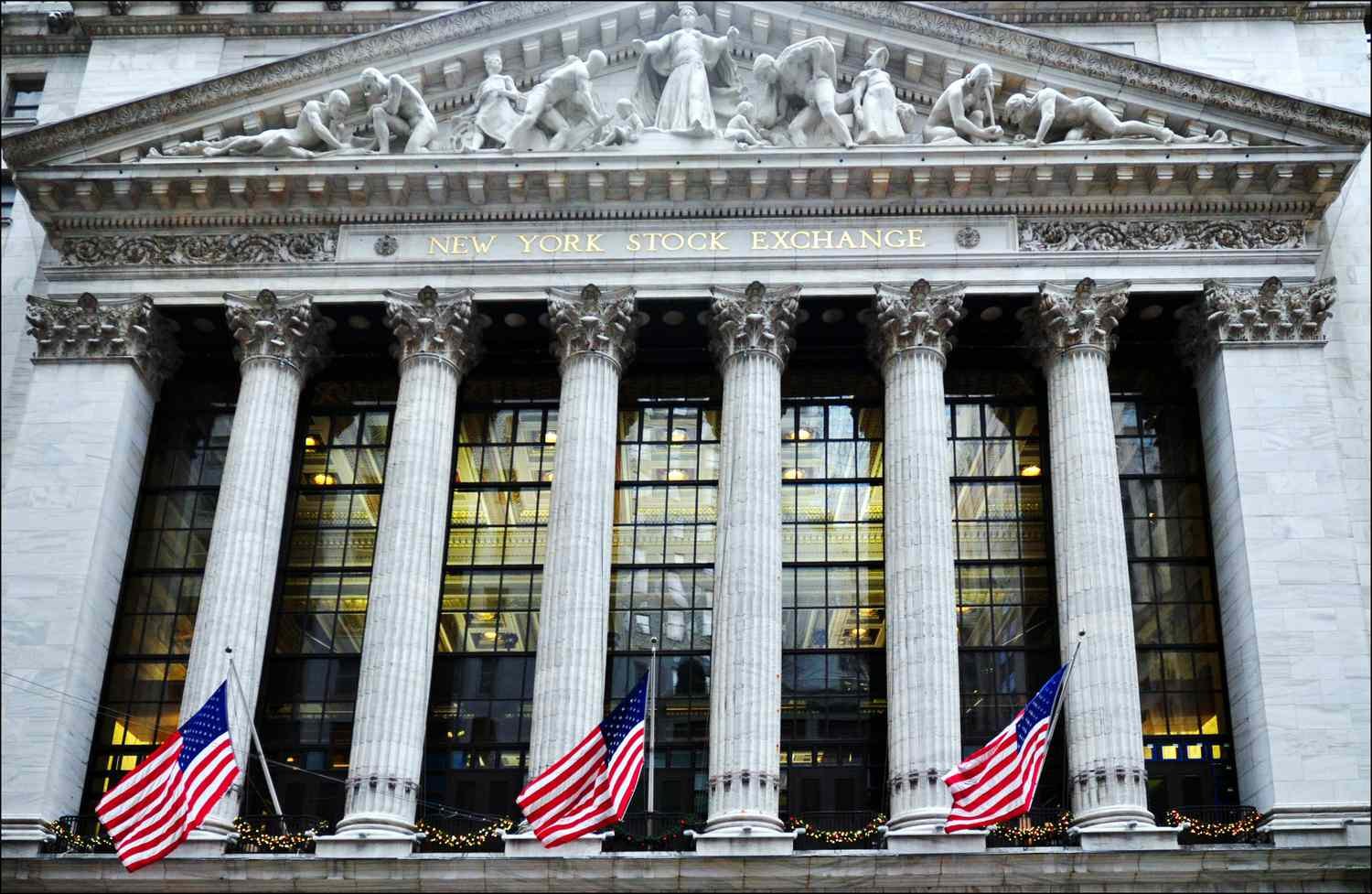
Stock exchanges are centralized locations where investors can buy and sell securities that are put up for trading by corporations and governments. This includes stocks, bonds, exchange-traded funds (ETFs), derivatives, commodities, and other financial instruments. Exchanges allow trading to take place fairly and transparently in a centralized location.
The stock market closes for holidays. Regular trading doesn’t occur. Scheduled holidays are the most common reason for market closures but exchanges might also close for extraordinary events such as national days of mourning and natural disasters. Non-holiday closures have included multiday shutdowns during major events like Hurricane Sandy in 2012 and the aftermath of the Sept. 11, 2001 attacks.
Overview of U.S. Market Activity
All major stock exchanges in the U.S. are open for trading during the week from Monday through Friday during normal business hours. Trading begins at 9:30 a.m. with the ringing of the opening bell and ends at 4:00 p.m. when the closing bell sounds. Trading doesn’t take place on weekends.
The NYSE, Nasdaq, and other smaller exchanges tend to follow the holiday schedule of the U.S. federal government although there are a few minor exceptions. Here’s the full schedule for trading years 2025 through 2027.
U.S. Market Closures Not Due to Holidays
U.S. stock exchanges maintain a regular schedule of holiday closures but extraordinary circumstances can lead to unscheduled market closures. These closures are rare but significant.
National Days of Mourning
One of the most common non-holiday reasons for market closures is to observe national days of mourning, particularly for the passing of U.S. presidents. Notable examples include the following:
- The 2004 closure honoring President Ronald Reagan
- The 2018 closure for President George H.W. Bush’s funeral
- The 2025 closure for President Jimmy Carter’s funeral
Natural Disasters and Weather Events
Severe weather events and natural disasters can force market closures when they threaten the safety of market participants or the integrity of trading systems. The most notable recent example was Hurricane Sandy in 2012 which caused an unprecedented two-day market closure. This was the first weather-related, multiple-day closing since the Great Blizzard of 1888.
Technical Disruptions
Technical issues occasionally require interrupting or fully shutting down market trading despite sophisticated technology and backup systems. These closures are typically brief and are undertaken to maintain market integrity and prevent trading irregularities.
The NYSE halted trading for almost four hours on July 8, 2015 because of a technical glitch. The exchange cited a configuration issue in its system but trading continued on other venues such as Nasdaq and BATS, lessening the overall impact on the market.
National Emergencies and Events
Market authorities may close the exchanges to serve the public interest in times of national crisis. The most significant example was the four-day closure following the Sept. 11, 2001 terrorist attacks. This extended closure allowed the financial community to recover from the devastating effects on Lower Manhattan’s financial district.
The market has closed on other crucial days in American history. President Richard J. Nixon set two days as a national holiday in honor of the Apollo 2 moon landing on July 20, 1969. The market seemed nonplussed by the event with the Dow dipping almost 2% on trading the day after.
Closures in 1968 were for less stellar reasons. An unprecedented “paperwork crisis” resulted from a surge in trading volume and overwhelmed the manual processes used to settle trades in the 1960s. Brokerages and clearinghouses struggled to process the mountain of physical stock certificates and trade confirmations. Stock exchanges including the NYSE put Wednesday market closures in place from June 12, 1968 to Dec. 31, 1968 to give firms time to catch up.
Other historic market closures include:
- Nov. 22, 1963, the day President John F. Kennedy was assassinated in Dallas, Texas
- June 13, 1927 for the parade honoring Charles Lindbergh for landing the first trans-Atlantic flight from New York to Paris the month before
- A four-month period from July 31, 1914, to Nov. 28, 1914 as World War I began in Europe, the longest such closure on record.
Circuit Breakers
Circuit breakers aren’t full market closures but they’ve been put in place by market authorities to temporarily suspend trading during periods of extreme volatility. These automated safeguards trigger trading halts when the S&P 500 has significant declines that reach preset thresholds.
Non-U.S. Markets
Trading hours may be different in certain parts of the world. Trading begins as early as 8 a.m. in some parts of the world and can end as late as 5 p.m. local time.
Foreign stock markets share certain holidays with those in the U.S. The Securities Industry and Financial Markets Association (SIFMA), a trade association that represents the securities industry globally, publishes recommendations on holiday closures and other closures for exchanges to follow nationally, regionally, and worldwide. This includes major holidays like Easter, Christmas, and New Year’s Day. Not all schedules are the same, however.
Foreign stock exchanges may continue to trade on days when the U.S. markets are closed and vice versa:
- Canadian stock exchanges are open on U.S. Thanksgiving which falls on the fourth Thursday in November. These markets are closed for Canadian Thanksgiving, however, which falls on the second Monday of October.
- Certain markets are closed on Boxing Day, the day after Christmas. This includes those in Canada, the United Kingdom, and Australia.
- Markets are closed in the United Kingdom for a Bank Holiday and in Oslo on Ascension Day.
- Indian markets are closed on Jan. 26 for Republic Day, Aug. 15 for Independence Day, Holi, Good Friday, Eid-Ul-Fitr, Ram Navami, Maharashtra Day, Bakri Eid, Muharram, Mahatma Gandhi Jayanti, Diwali, Gurunanak Jayanti, and Christmas.
Important
Markets are normally closed on the preceding Friday if a holiday falls on a Saturday and the following Monday if it occurs on a Sunday.
Other Financial Markets
Holiday closures of the U.S. bond markets are more loosely governed and tend to follow the recommendations of SIFMA.
The Cboe Options Exchange is the major market for options traders focused on equities, indexes, and interest rates. This exchange generally follows the trading schedule of major U.S. stock markets. Trading sessions also tend to close early the day before a holiday.
Fast Fact
The end of the trading day means all physical trading activity halts. Electronic trading may continue to take place during after-hours or extended-hours trading, however, and the U.S. exchanges like the NYSE tend to offer a buffer of a half hour for electronic trades to come in after the trading floor closes.
How Will I Use This in Real Life?
Seasonality often plays a part in any investor’s trading strategy. Some holidays in the U.S. market provide periods of decreased trading volumes because many investors and traders are busy with vacations and family plans. Little business news is usually released right before a holiday as well.
The S&P 500 tends to trade at a loss on the last trading day of the year and gains on the first day of the new year. Trading days before and after Jan. 1 can be affected by tax loss harvesting and portfolio rebalancing.
The pattern is sometimes reversed with advances the day before the holiday and declines the day after. There are usually gains on the Thursday before Good Friday and losses on the trading day after. Presidents Day. Both Christmas and Thanksgiving tend to see gains.
What Are the Normal Stock Market Holidays?
Normal stock market holidays depend on the country where the exchange is located. Common holidays include New Year’s Day, Christmas, and Good Friday. Thanksgiving is a holiday in Canada and the U.S., although each country celebrates it on a different day. Many Commonwealth countries celebrate Boxing Day which is the day after Christmas. Exchanges in these countries are often closed on that day as well.
How Late Is the Stock Market Open?
U.S. markets are open each day until 4:00 p.m. Foreign markets may halt trading earlier or later depending on where they’re located.
Does the Stock Market Ever Close Early?
American equity markets close early on certain days. They close early on July 3, Black Friday, and Christmas Eve. Bond markets close early on the day before major holidays such as Good Friday and Labor Day. They also close early on Black Friday and Christmas Eve.
The Bottom Line
U.S. stock markets operate on a predictable schedule: Monday through Friday from 9:30 a.m. to 4:00 p.m. except for designated holidays and early closure days. The 2025 calendar includes 10 federal holidays and three scheduled early closures but extraordinary circumstances like the funeral of former President Jimmy Carter can lead to additional closures.
These unscheduled closures are a result of the market’s need to maintain orderly trading in light of significant national events.