
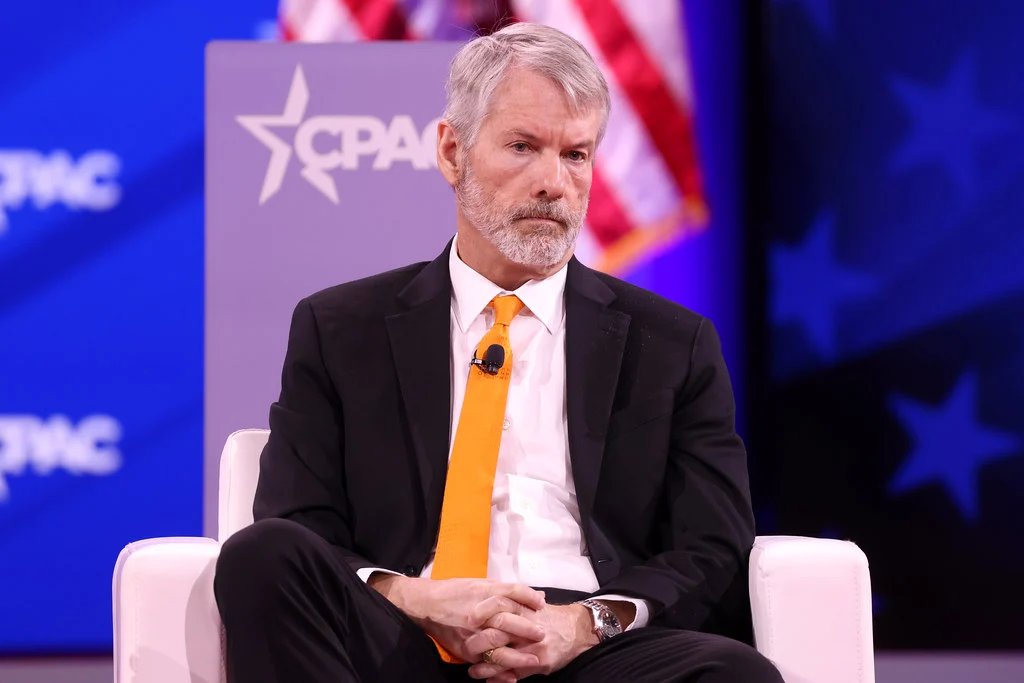
Michael Saylor just made his biggest-ever Bitcoin sale, with Strategy (NASDAQ:MSTR | MSTR Price Prediction) selling 3,588 BTC worth $216 million. Saylor has long been one of Bitcoin’s (CRYPTO:BTC) loudest maximalists, and he always said to never sell Bitcoin. But things have changed. With Bitcoin down about 50% from its $126,000 peak, Saylor has now broken his own rule twice in three months.
Back in May, Strategy made its first sale since 2022, offloading 32 BTC for around $2.5 million. Last week’s sale is the largest in the company’s history at $216 million, and Strategy has cleared itself to sell up to $1.25 billion more if it needs to.
Strangely, Bitcoin barely moved after this sale and has actually risen since. Yet back in May, the smaller sale sent the Bitcoin price tumbling. So two questions matter now. Will Strategy keep selling, or is it only rebalancing to pay its bills? And could a consistent Strategy sale drag Bitcoin down to $50,000?
Why Saylor’s Strategy Sold Bitcoin
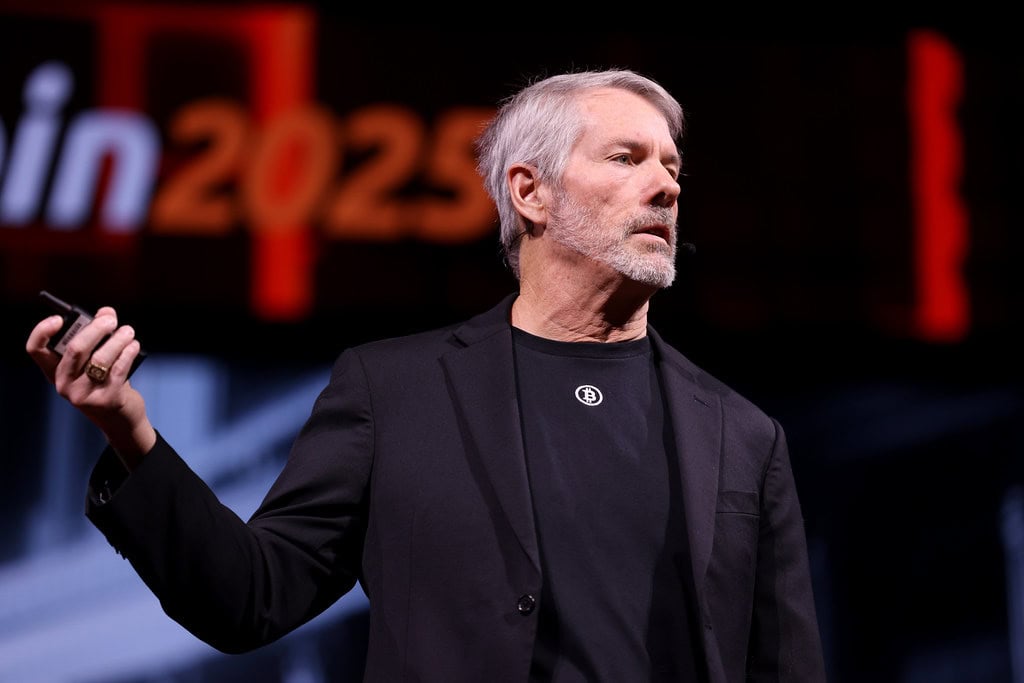
Saylor started buying Bitcoin back in 2020, when his company was still called MicroStrategy, before it was renamed to Strategy. He then turned the company into the biggest corporate Bitcoin holder in the world by borrowing heavily to keep buying.
Most of the money came from selling preferred stock (a type of stock that works like a loan) because it pays the buyer a fixed regular dividend in return for their cash. These are separate from Strategy’s normal shares, which trade under the ticker MSTR. The preferred stocks trade under their own names, like STRC, STRF, and STRK, and selling them lets Strategy raise billions without touching its Bitcoin.
However, the borrowing created a big problem for the company. Those dividends add up, and Strategy now owes somewhere between $750 and $800 million a year on them, due in cash no matter what Bitcoin is doing.
For a while, one of those preferred stocks, STRC, quietly covered the bills. STRC is designed to trade around a fixed price of $100 and pay a monthly dividend, and Strategy could keep selling more of it to raise fresh cash whenever a payment came due. STRC has now slipped below that $100 mark, and since mid-May, the company hasn’t been able to use it to raise new money. That left Strategy with dividend bills coming due and its main way of paying them broken.
So the cash to pay those dividends had to come from somewhere else, and for the first time, that meant selling Bitcoin to cover a bill. Apart from one small tax-related sale in 2022, Strategy had held on to everything it ever bought. But that changed in late May, when it sold 32 coins for about $2.5 million to make a dividend payment—its first sale in years and the first ever driven by its bills rather than accounting. Last week’s sale is the same move on a far bigger scale, 3,588 coins for $216 million, sold at a loss to raise the cash.
Why Saylor’s $216 Million Sale Didn’t Crash the Bitcoin Price

Saylor said he sold $216 million in Bitcoin to cover Strategy’s bills, not that he lost faith in Bitcoin, and that’s the right way to see it. He sold because he had no other way to make the dividend payments. The borrowing that let him build that huge Bitcoin position is the same thing that forced him to sell part of it back.
And on its own, that sale is far too small to drag the Bitcoin price down. Bitcoin trades around $25 billion worth of coins every day, so Strategy’s $216 million is under one percent of that, absorbed in minutes without the market even noticing. In fact, the Bitcoin price rose in the days after the sale rather than falling.
That doesn’t mean a Saylor sale can never move the market, because one already did. Back in May, Strategy sold just 32 Bitcoin, worth about $2.5 million, an amount so small it should have meant nothing at all. Yet the market still shook because traders weren’t looking at just the 32 coins—they were looking at the first crack in Saylor’s “never sell” promise, and it scared them.
On the other hand, it’s also why this far bigger sale barely registered. By now, the shock of Saylor’s selling has worn off. The market already knows he’ll sell to pay his bills, so a $216 million sale is nothing new or unexpected.
What Would Push Bitcoin to $50,000

Bitcoin is having a rough year, and trades near $62,900, down about 50% from its all-time high of $126,000 last October. The market’s mood is grim, with the Fear and Greed Index stuck deep in extreme fear. The Bitcoin price could still drop to $50,000, but Saylor’s sale won’t be the reason. A move that big would come from the same forces that have dragged the whole market down all year.
Back in late June, BTC fell to around $58,000—its lowest point in nearly two years—before recovering to where it trades now. That $58,000 area is remains a key level to watch. If Bitcoin closes below it again, the next support is near $54,900, and then $50,000 after that.
We already saw what drives that sort of drop earlier this year. The war between the US and Iran shut down the Strait of Hormuz, one of the world’s key oil routes, and crude prices shot above $120 a barrel. That pushed inflation up to 4.1%, which is its highest in three years, and forced the Federal Reserve to keep interest rates high instead of cutting them.
High rates are the part that hurts Bitcoin. When the Fed holds rates up, safer investments like government bonds pay solid interest, so investors move their money out of risky assets that pay nothing, like Bitcoin, and into bonds that do. That’s a big part of why Bitcoin fell from the $70,000s down to around $58,000 by late June.
Now the same setup is building again. The US-Iran ceasefire collapsed this week as both sides traded fresh airstrikes, and oil prices jumped once more. If that keeps inflation hot and pushes the Fed to hold or raise rates at its late-July meeting, the pressure that took Bitcoin to $58,000 could easily return and drag it lower. On top of that, investors pulled $4.5 billion out of Bitcoin funds in June, the worst month since those funds launched—and none of that has anything to do with Saylor’s BTC sale.
What a Drop to $50,000 Would Mean for Bitcoin
A fall to $50,000 would put the most pressure on Strategy. The lower Bitcoin goes, the harder it becomes for the company to raise money, and the more tempting it gets to sell more Bitcoin to cover its dividend bills. That’s the loop investors worry about, as lower BTC prices force more selling, which pushes prices lower still.
But even at a $50,000 Bitcoin price, Strategy would still own every one of its 843,775 coins, and nothing automatically forces it to sell. There’s no hidden trigger that sets off a fire sale once Bitcoin hits a certain price.
Moreover, the company is also holding $2.55 billion in cash, enough to cover its dividend payments for more than two years. That buys plenty of time for Bitcoin to recover before anything turns desperate. Even if Bitcoin fell to $50,000 tomorrow, Strategy would wake up owning the same pile of Bitcoin it holds today. The bigger test is the company’s $1 billion debt payment due in 2027, and that’s a problem for another day.
As for Bitcoin itself, a drop to $50,000 would hurt, but it wouldn’t be the end of anything. It’s a level long-term buyers have stepped in at before, a price where patient money tends to come back. Bitcoin could reach $50,000, but Saylor’s $216 million sale won’t be what sends it there. That sale wasn’t a sign that Bitcoin is finished, but a sign that Saylor ran out of cash to pay his bills, and those are two very different things.
Contact [email protected] for any questions or corrections.