
Bitcoin has bounced back from its recent lows this week, climbing to over $60,000 per bitcoin after falling to levels not seen since U.S. president Donald Trump retook the White House as a bitcoin “Ponzi scheme” teeters on the verge of collapse.
Sign up now for CryptoCodex—A free crypto newsletter that will get you ahead of the market
The bitcoin price has struggled this year, losing more than 50% of its value, despite the world’s largest asset manager BlackRock quietly building out the foundations of a bitcoin and crypto revolution.
Now, as a tiny cryptocurrency is predicted to rocket 50-fold, creating “generational wealth,” the U.S. economy has delivered bad news for the bitcoin price and crypto market.
Sign up now for the free CryptoCodex—A daily five-minute newsletter for traders, investors and the crypto-curious that will get you up to date and keep you ahead of the bitcoin price and crypto market swings

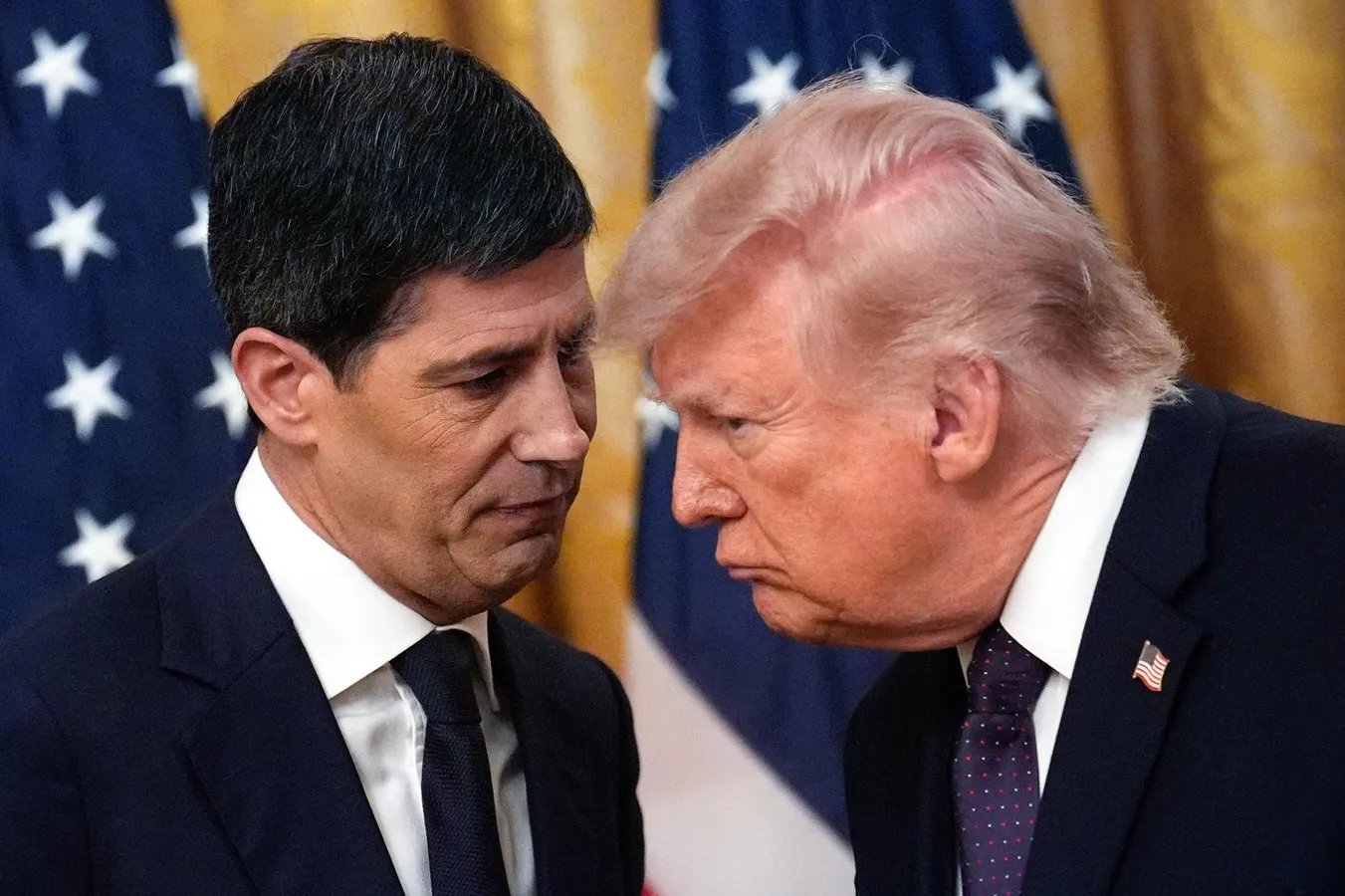
Federal Reserve chair Kevin Warsh and U.S. president Donald Trump have both backed bitcoin.
© 2026 Bloomberg Finance LP
The June U.S. jobs report has showed the economy added 57,000 jobs last month, well below the 115,000 that economists polled by Dow Jones had forecast. The unemployment rate, however, dropped to 4.2% on expectations of 4.3%.
“The headline number suggests that the U.S. labor market is unshakeable with unemployment dropping to 4.2%, but the US added only 57,000 jobs, far fewer than expected, and the participation dropped 0.3 points. So the labor market may be looking strong simply because people have given up on looking for work,” Nic Puckrin, markets expert and former Goldman Sachs analyst who founded Coin Bureau, said in an emailed note.
“But for the new inflation-first Fed, the headline number matters less than wage growth. Average hourly earnings accelerated to 3.5% year-on-year, and that’s bad news for anyone expecting a dovish pivot. Strong wage growth will keep feeding the inflation monster—exactly what Warsh is afraid of. As long as wages run this hot, a 2026 hike will remain priced in.”
Others disagree that the jobs report is bad news for bitcoin, however, with some bitcoin and crypto investors now betting that the Fed will flip dovish later this year, supporting the U.S. dollar “debasement” trades such as gold and bitcoin.
“The market was braced for a strong jobs report, but this was a big miss and came with significant downward revisions to prior months,” Stephen Coltman, head of macro at 21shares, said via email.
“The market has priced additional tightening from the Fed this year, but that looks increasingly unwarranted by the data. Inflation expectations have collapsed and the current policy setting is becoming increasingly restrictive as a result. This sets up a dovish pivot for the Fed later in the year and should be supportive for ‘debasement’ trades in precious metals and crypto that have suffered from the Fed’s hawkish stance this year.”
The market is currently pricing in one 25 basis point interest rate hike by the Federal Reserve this year, though comments made by Warsh at a meeting of global central bankers this week have led to investors paring their bets monetary tightening.
“Expectations of inflation over the first four weeks of this period, they’ve come down. Inflation risks have come down,” Warsh said at the European Central Bank’s (ECB’s) annual gathering of international policymakers and economists in Portugal.
Warsh declined to say whether the Fed would consider raising rates at its next meeting, scheduled for the end of July, with the market pricing in an 82% chance of an interest rate “hold.”
Sign up now for CryptoCodex—A free crypto newsletter that will get you ahead of the market
The bitcoin price has dropped sharply this year, with traders fearful a further price crash could be looming.
Forbes Digital Assets
“Looking ahead, bitcoin is likely to remain highly sensitive to upcoming U.S. economic data, particularly employment figures, inflation reports, and Federal Reserve policy expectations,” Simon-Peter Massabni, head of business sevelopment at XS.com, said in emailed comments.
“Should economic data continue to indicate resilience, expectations for interest rate cuts could diminish, strengthening the U.S. dollar and creating additional pressure on cryptocurrencies. Conversely, if economic indicators begin pointing toward a meaningful slowdown, expectations for monetary easing could return, potentially providing bitcoin with an opportunity to recover part of its recent losses. In my view, the relationship between Federal Reserve policy and bitcoin has never been more significant than it is today.”
Massabni pointed to “three fundamental variables” that he thinks will dictate bitcoin’s trajectory in coming months, “the direction of institutional exchange-traded fund (ETF) flows, geopolitical developments, and expectations surrounding” Fed interest rates.
“If these factors gradually improve, the current selloff could ultimately be remembered as a long-term buying opportunity rather than the beginning of a prolonged bear market,” Massabni said. “Conversely, if today’s pressures remain unresolved, heightened volatility is likely to persist until the market establishes a durable price floor.”