
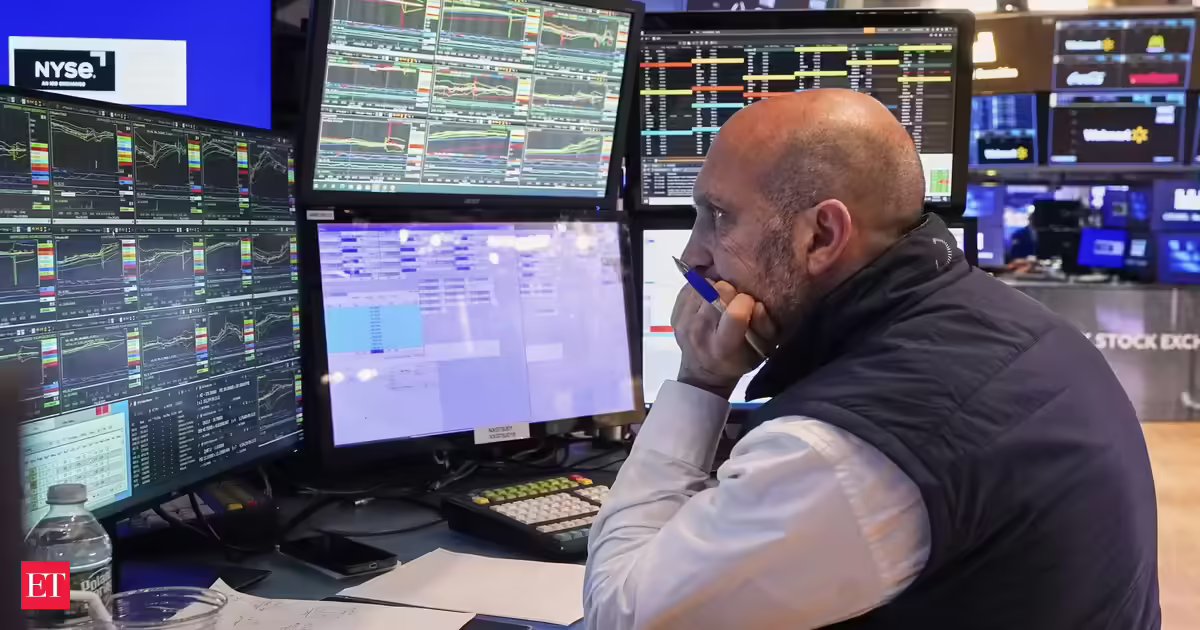
Why are US stock market futures witnessing wild swings, and will Dow, S&P 500 and Nasdaq head for a huge crash or big surprise soon?
The movement is driven by changing signals from geopolitics, oil prices, and interest rate expectations. Reports of a possible ceasefire between the United States and Iran supported futures, while ongoing airstrikes created uncertainty. Oil price swings are influencing inflation outlook, which is affecting Federal Reserve policy expectations. These combined factors are causing sharp moves in Dow, S&P 500, and Nasdaq futures.
Why are US stock market futures witnessing wild swings?
The main reason is the ongoing Iran conflict and its impact on global energy supply. News about ceasefire talks pushed futures higher, while continued military actions limited gains. Oil prices moved lower after ceasefire reports, which improved sentiment. At the same time, rising inflation concerns and changing expectations for Federal Reserve rate cuts are adding pressure. Investors are reacting quickly to every update, leading to frequent and sharp fluctuations in futures markets.
Will Dow, S&P 500 and Nasdaq head for a huge crash or big surprise soon?
Markets are currently balancing risks and opportunities. A ceasefire could support a rally by lowering oil prices and easing inflation concerns. However, continued conflict or rising energy costs could increase pressure and lead to a decline. Analysts do not expect an immediate crash but warn that volatility may continue. The direction of Dow, S&P 500, and Nasdaq will depend on geopolitical developments and central bank decisions in the coming weeks.
Wall Street futures rise explained
Futures rose after reports that the United States is working on a ceasefire plan in the Iran conflict. A report said a 15-point proposal was shared to reduce tensions. Another report stated that discussions could take place during a possible pause in fighting.

However, Iran denied negotiations. Airstrikes between Iran and Israel continued. This created mixed signals for investors. Markets reacted quickly to both positive and negative developments. Dow futures increased by 0.94 percent. S&P 500 futures rose by 0.91 percent. Nasdaq futures gained 1.08 percent. These moves showed that traders were responding to hopes of reduced conflict risk.
Oil prices dropped by around 4 percent. Lower oil prices helped improve investor sentiment. Markets expect that a ceasefire could restore shipping through the Strait of Hormuz. This route is important for global energy supply. At the same time, uncertainty remains. Analysts said that a quick resolution is not guaranteed. Some believe that the conflict could continue and affect markets again.
Stocks to watch out for
Stock-specific moves are also shaping market trends. Arm Holdings shares rose by 12.6 percent in premarket trading. The company announced a new AI data center chip. This product is expected to generate strong revenue in the future.
Other chip companies also moved higher. Intel gained 3.8 percent. Marvell Technology rose by 2.9 percent. Nvidia increased by 1.3 percent. These gains show continued interest in AI-related stocks. Chinese technology stocks also moved up. JD.com and Alibaba gained more than 4 percent each. Reports said Chinese authorities asked companies to end a price war in the food delivery sector.
Destiny Tech100 surged 20 percent after a report linked to SpaceX IPO plans. SpaceX is the largest holding in the fund. Robinhood Markets gained 3.6 percent after announcing a $1.5 billion share buyback program. This move signals confidence from the company.
Analysts insights and market outlook
Analysts are focusing on geopolitical risks and inflation concerns. Market experts said that there is no clear sign of escalation by the United States at present. However, they also do not expect a quick resolution. A longer conflict could push energy prices higher again.
Rising oil prices have already increased inflation concerns. This has affected expectations for interest rate cuts. Before the conflict, markets expected two rate cuts from the Federal Reserve this year. Now, data shows that markets are not pricing in any rate cuts. This shift is important for stock valuations.
Analysts also said that energy supply may recover without long-term damage. However, they warned that investors should not assume a quick return to normal conditions. Global markets are reacting to every update related to the conflict. This is one of the main reasons behind the wild swings in US stock futures.
What should investors do now?
Investors are facing uncertainty due to multiple factors. Markets are influenced by geopolitics, oil prices, inflation, and central bank policy. Each factor is changing quickly. This is leading to sharp moves in stock futures.
Investors may need to track developments in the Middle East closely. Any update on ceasefire talks or escalation can impact markets. Monitoring oil prices is also important. Changes in energy costs affect inflation and interest rate expectations. Stock-specific developments also matter. Technology and AI stocks are showing movement based on company announcements.
Analysts suggest focusing on long-term strategies instead of reacting to short-term volatility. Market swings may continue until there is clarity on geopolitical risks and economic policy.
FAQs
Q1. Why are US stock market futures witnessing wild swings, and will Dow, S&P 500 and Nasdaq head for a huge crash or big surprise soon?
US stock futures are moving due to Iran conflict updates, oil price changes, and Federal Reserve outlook. These factors create uncertainty and lead to sharp market reactions across global indices.
Q2. What should investors do as US stock market futures witness wild swings?
Investors should monitor geopolitical updates, oil price trends, and interest rate signals. Long-term planning and avoiding quick reactions can help manage risks during volatile market conditions in the US stock market.