
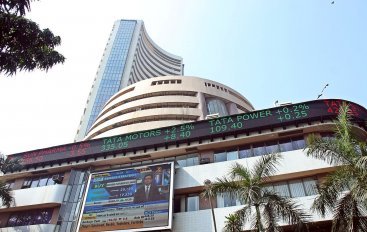
As India heads into the Union Budget 2026, the equity market is approaching the event with a mix of caution and quiet optimism. Unlike years where budgets were expected to deliver dramatic fiscal stimulus or sweeping tax reforms, the prevailing expectation this time is one of continuity, discipline, and targeted support. For markets, that shift in expectations matters more than headline announcements.
At the macro level, investors are largely prepared for a fiscally prudent budget. Consensus expectations point to the fiscal deficit for FY27 being guided down towards the 4.2 to 4.3 per cent of GDP range, marginally lower than FY26 levels, supported by stable tax collections and controlled subsidy spending.
This trajectory reinforces confidence in India’s medium-term fiscal consolidation path and reduces the risk of a sharp rise in government borrowing. For equities, this is supportive through the interest rate channel, as bond yields are expected to remain range-bound rather than move materially higher.
Capex Remains Core Market Signal
The most important equity signal from Budget 2026 is likely to come from capital expenditure. Markets are expecting core capex growth of around 10 per cent year-on-year, with continued emphasis on roads, railways, defence, power infrastructure, and urban transport. This reinforces a theme that has already driven relative outperformance in industrials and capital goods over the past few years.
A steady capex push signals earnings visibility rather than a one-time boost, which tends to attract longer-term institutional capital rather than short-term speculative flows.
Infra, Defence Stay Firmly In Focus
From a sectoral standpoint, infrastructure-linked segments are expected to remain key beneficiaries. Engineering, construction, capital goods, metals, and cement stand to gain from sustained public spending and improving execution at the state level. Defence is another area where expectations are high, with allocations likely to rise in line with indigenisation priorities and export ambitions.
For listed defence manufacturers and component suppliers, incremental budget support translates into stronger order books rather than immediate revenue spikes, which markets typically reward with valuation re-rating over time.
Consumption Support Likely To Be Indirect and Targeted
Consumption, however, is where expectations are more tempered. After significant personal tax relief in the previous budget, markets are not pricing in aggressive new tax cuts. Instead, any consumption support is expected to be indirect, routed through employment schemes, rural spending and targeted subsidies rather than across-the-board fiscal giveaways.
This suggests that while staples and rural-facing FMCG companies could see marginal sentiment support, discretionary consumption is unlikely to see a sharp budget-led reacceleration unless complemented by private sector wage growth.
Financials Benefit More From Stability Than Stimulus
Financials present a more nuanced picture. While the budget is expected to maintain support for MSME lending through credit guarantee schemes and targeted interventions, large structural changes for banks and NBFCs are unlikely.
The absence of negative surprises, particularly around regulatory or taxation changes, itself is a positive for the sector. Markets are also watching closely for clarity on any power distribution reform packages, which could have second-order implications for power financiers.
Manufacturing Incentives Continue
Another area of focus for equity investors is manufacturing and the continuation or recalibration of Production Linked Incentive schemes. Expectations centre around selective expansion rather than blanket extension, with higher probability for electronics components, auto ancillaries, and strategic manufacturing segments. For markets, this reinforces the “Make in India” investment narrative but also raises differentiation between companies with proven execution and those reliant solely on policy support.
Why This Budget May Not Trigger Sharp Moves
Importantly, Budget 2026 is unlikely to be a major market-moving event in isolation. Valuations, earnings growth and global liquidity conditions will continue to dominate equity returns over the next year. Historically, markets react more strongly to deviations from expectations than to the budget itself. A fiscally disciplined budget with steady capex and no adverse tax surprises would therefore be interpreted as a low-risk outcome rather than a trigger for a sharp rally.
Stability Emerges As Constructive Signal
In that sense, the real impact of Budget 2026 on the stock market may lie in what it avoids doing. By not overextending fiscal support, not disrupting sectoral incentives, and not unsettling bond markets, the budget could provide a stable policy backdrop against which corporate earnings can compound. For investors, this reinforces the case for staying focused on earnings durability, balance sheet strength, and exposure to long-term structural themes rather than attempting to trade short-term budget outcomes.
As markets look beyond the budget day headlines, Budget 2026 is shaping up less as a spectacle and more as a quiet enabler, steady hands on the fiscal wheel, incremental reform over grand gestures, and a reminder that in mature markets, stability itself is often the most bullish signal.
Disclaimer: The views expressed in this article are those of the author and do not necessarily reflect the views of the publication.