
What Is a Commodities Exchange?
A commodities exchange is a legal entity that determines and enforces rules and procedures for trading standardized commodity contracts and related investment products. A commodities exchange also refers to the physical center where trading takes place. The commodities market is massive, with a nominal value of approximately $131 trillion in 2024.
Traders rarely deliver any physical commodities through a commodities exchange. Instead, they trade futures contracts, where the parties agree to buy or sell a specific amount of the commodity at an agreed-upon price, regardless of what it currently trades at in the market at a predetermined expiration date. The most traded commodity futures contract is crude oil.
There are several types of modern commodities exchanges, which include metals, fuels, and agricultural commodities exchanges.
Key Takeaways
- A commodities exchange determines and enforces rules and procedures for trading standardized commodity contracts and related investment products.
- It also refers to the physical center where trading takes place.
- Two of the best-known commodity exchanges in the U.S. are the Chicago Mercantile Exchange Group and the New York Mercantile Exchange.
- Traders rarely take delivery of physical commodities, but trade futures contracts, agreeing to buy or sell commodities at an agreed-upon price by a predetermined date.
- There are no longer active trading floors for the majority of commodities exchanges.
Understanding Commodities Exchanges
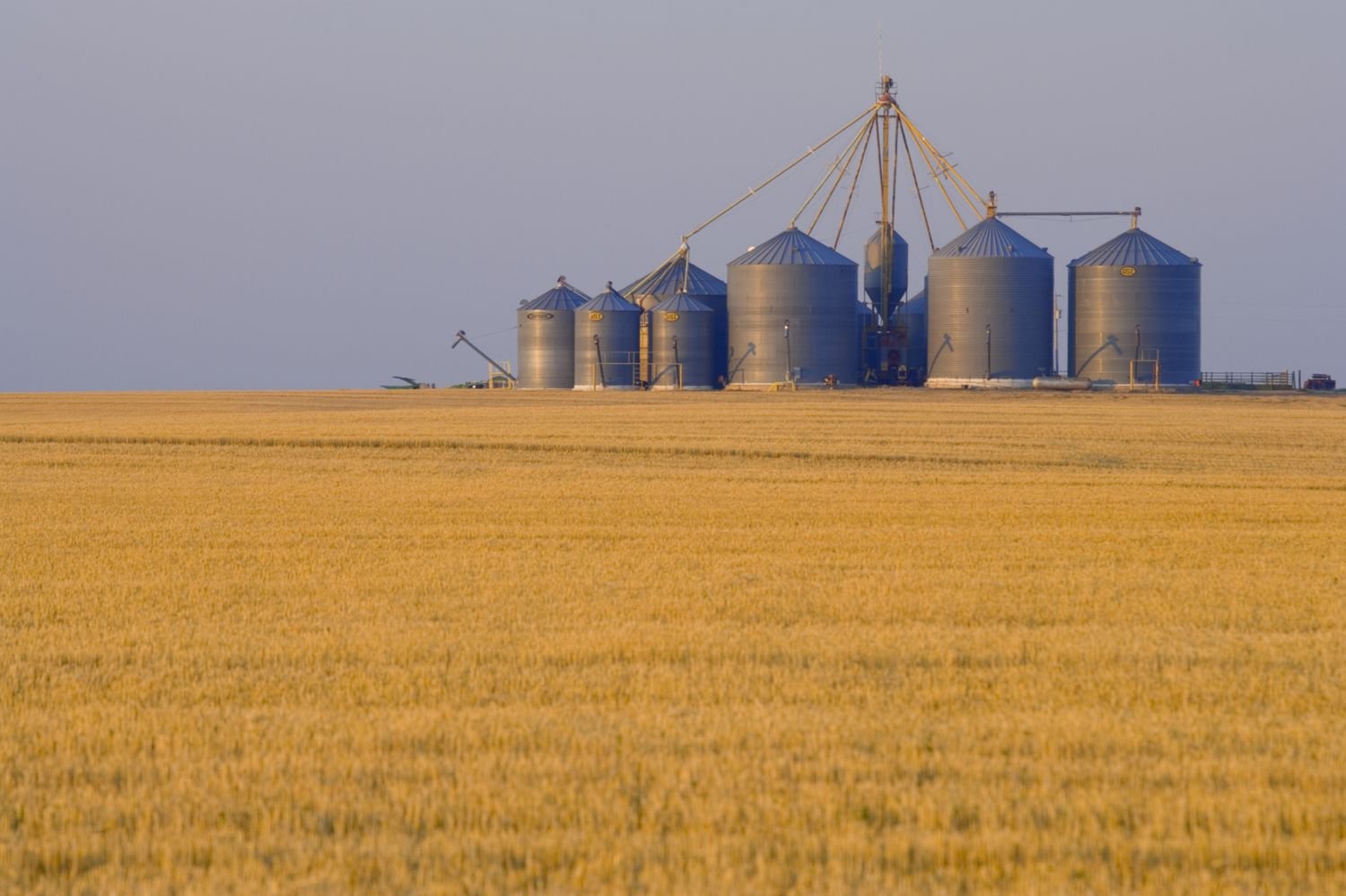
Commodities exchanges are the central location where commodities are traded. The commodity markets in the U.S. began with the trading of agricultural products such as corn, cattle, wheat, and pigs in the 19th century.
Chicago was the main hub for this kind of trading, due to its geographical location near the farm belt and because it was a key east-west transit point with railroad access. Modern commodity markets trade many types of investment vehicles and are often utilized by various investors from commodity producers to investment speculators.
Two of the best-known commodity exchanges in the United States are the Chicago Mercantile Exchange (CME) Group and the New York Mercantile Exchange (NYMEX). CME Group is the world’s leading and most diverse derivatives marketplace while the NYMEX is one part of the CME Group.
The most well-known commodity exchange in Europe is the Intercontinental Exchange (ICE). Similar to CME and NYMEX, ICE is an electronic commodity exchange with no physical trading floor. In a cost-competitive environment, electronic exchanges are more prevalent.
The only physical commodity trading exchange left in Europe is the London Metal Exchange (LME). The LME is the world center for the trading of industrial metals—most of the world’s non-ferrous metal business is transacted there.
Important
Ensure you research the commodity market before trading to ensure there is adequate liquidity. Commodities like oats are thinly traded, therefore prices tend to be very volatile.
Types of Commodities
A commodity is a basic good that is interchangeable with other commodities of the same type. They are generally used in the production of goods and services.
We may not realize it, but commodities have a very important place in our everyday lives. Consider the cotton that makes up your clothing, the lumber that makes up the frame of your home, or even the metal in your electronics.
The following is a list of some of the most traded commodities in the world.
- Crude Oil: One of the most important commodities in the world, crude oil is an unrefined petroleum product that occurs naturally. It is used to produce different products including gasoline and petrochemicals. The price for crude oil generally reported in the U.S. is based on the NYMEX futures price. Contracts are based on 1,000 barrels and trade in U.S. dollars per barrel. The third business day before the 25th calendar day of the month preceding the delivery month is the last trading day for crude oil.
- Gold: This is one of the world’s most widely traded precious metals. While investors can buy and sell the physical commodity, traders typically trade gold futures contracts on commodities exchanges. Contracts are generally sized at 100 troy ounces and are priced in U.S. dollars per troy ounce. The last trading day for gold is the third last business day of the delivery month.
- Lumber: This industry has two main products for the end user—softwood and hardwood. Softwood is used primarily in construction, while hardwood is used in flooring and furniture construction, and to make panels and cabinets. Contract sizes for lumber are generally 27,500 board feet and are traded in U.S. dollars per pound. The business day immediately preceding the 16th calendar day of the contract month is the last trading day for lumber.
- Natural Gas: This commodity is used to heat homes, help generate electricity, and also has other uses in the commercial and industrial industries. Natural gas contracts are sold by 10,000 million British thermal units (mmBtu). All contracts are traded in U.S. dollars per mmBtu. The final trading day of the month for natural gas is three business days before the first day of the delivery month.
- Cotton: Cotton is the most widely used fiber in the world. Cotton fibers are collected and made into yarn and other textiles for clothing and other household goods. Cotton contracts are sized at 50,000 pounds, and trade in U.S. dollars per pound. The very last day of trading for cotton is 17 business days from the end of the spot month.
Other commodities that trade on commodities exchanges include silver, platinum, rice, sugar, orange juice, oats, cattle, corn, copper, cocoa, soybeans, and coffee. This, however, is not an exhaustive list of what you can find on an exchange.
How Does a Commodities Exchange Work?
Commodities exchanges used to operate similarly to stock exchanges, where traders would trade on a trading floor for their brokers. However, modern trading has led to that process being halted and all trading is now done electronically. While the commodities exchanges do still exist and have employees, their trading floors have been closed.
Is Bitcoin a Commodity?
Surprisingly yes, the Commodity Futures Trading Commission (CFTC) has categorized Bitcoin as a commodity. Other virtual currencies are also considered commodities under the Commodity Exchange Act (CEA). However, it is important to note that the CFTC’s jurisdiction over physical currencies is limited to when that virtual currency is used in a derivatives contract or when there is fraud or manipulation involving a virtual currency traded in interstate commerce.
What Are Commodities Examples?
Some of the most heavily traded commodities include gold, oil, natural gas, and lumber. While almost anything could be considered a commodity, within the context of investing and trading, a commodity is something that offers traders liquidity and is traded on an exchange.
The Bottom Line
Commodities exchanges are where trading takes place for physical goods, also known as commodities. The price of these commodities can often nudge a market one way or the other, which is especially the case with heavily traded commodities such as oil and gold. Other commodities such as food may not dictate the market direction but can have a large effect on consumer pricing and sentiment.