
Rachel Reeves is mulling a shake-up of property taxes which could potentially see those who own homes over £500,000 hit with a new levy when they sell.
The Chancellor is said to have asked Treasury officials to look at replacing the current stamp duty system.
It wants to take advantage of the huge rise in house prices in recent decades, to make more money for the public purse.
It was reported by the Guardian that the ‘proportional property tax’ could hit those selling homes worth more than half a million pounds.
However, Treasury sources have since denied this in a Telegraph report.
There are also reports of changes to council tax, which could be replaced with a new local property tax, paid only by homeowners, in the longer term.
We explain how property tax works in Britain today, and what could change.

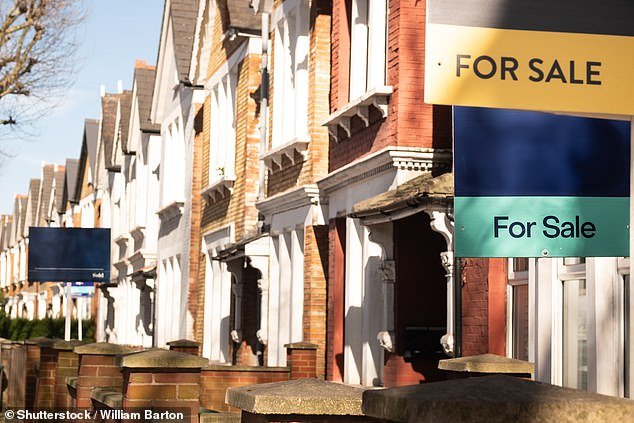
Tax on sale: The Chancellor is said to be consulting on sweeping changes to stamp duty
What property taxes do people pay now?
Stamp duty is the main property tax paid by home owners in Britain. It is paid by home buyers when they purchase a new home.
Buyers pay nothing on properties that cost less than £125,000. On the amount from £125,001 to £250,000, they will pay two per cent.
On the portion from £250,001 to £925,000, they pay five per cent.
On the portion from £925,001 to £1.5 million they pay 10 per cent, and on anything above that, 12 per cent.
First-time buyers pay nothing on properties up to £300,000, then the same rates thereafter.
On a £250,000 property purchase a buyer would pay £2,500, and on a £450,000 home, £12,500.
The proposed new system, if adopted, would mean fewer people paid property taxes. About three in five home sales pay stamp duty at the moment.
What’s wrong with stamp duty?
Critics say stamp duty prevents people from moving home. This, they say, means that people cannot always access the kind of property they need, at the stage of life they need it.
For example, if older people are put off downsizing, there are fewer larger homes available for young families.
Moving the burden from the buyer to the seller would particularly help first-time buyers above the stamp duty threshold, as they wouldn’t be left with a tax bill when getting on the housing ladder.
Influential organisations such as the International Monetary Fund and the Institute for Fiscal Studies have previously called for stamp duty to be overhauled.
Simon Gerrard, chairman of Martyn Gerrard Estate Agents says: ‘The existing stamp duty regime is unfit for purpose and has had a chilling effect on the housing market.
‘This new tax would be paid by the seller, rather than the buyer which means that it won’t be the same tax on aspiration that stamp duty currently is.’
The negative impact of stamp duty on the housing market was illustrated by the stamp duty holiday during the pandemic, when property market activity boomed.
What could change?
Under a radical plan said to be under consideration, owners of houses worth more than £500,000 could have to pay a ‘proportional property tax’ based on the value of their properties when they sell up.
These taxes could also be paid annually, rather than in one go.
What would people pay?
How much people would pay in tax as a proportion of their property’s value has not been revealed.
However, the Treasury officials considering the tax changes are said to have been considering the arguments made in a 2024 report by Tim Leunig of the think tank, Onward.
In it, he said a tax, paid annually, of 0.54 per cent of the value of properties over £500,000, with a 0.278 per cent supplement on values over £1million, would raise the same amount as stamp duty.
It is probable that Rachel Reeves would want to make more revenue than stamp duty currently generates, though.
Leunig’s paper suggested the tax would not be retrospectively applied on properties on which stamp duty has already been paid, and would rise annually by inflation.
What would it mean for the housing market?
Experts say that setting the threshold at £500,000, if it happens, could distort the housing market because homes below that price could see a surge in popularity.
Gerrard says: ‘It’s clear that the Government is motivated by a desire to raise revenues and I’m concerned that this new tax is going to be punishingly high.
‘If that’s the case, you’re going to see a ceiling at the £500,000 threshold for that band of the market, as people avoid falling under the regime, and then a significant jump in values with nothing in between.
‘Prices above £500,000 will skyrocket as sellers account for the losses caused by the tax, that used to be paid by the buyer.’
If the £500,000-plus threshold was in place, it could disproportionately affect families in London and the South East.
‘The housing market is far higher in London, which means any family home will be impacted by this new tax. If prices surge higher because of this new regime, how will anyone in the capital start a family?’ says Gerrard.
When will this happen?
It is unclear. The next fiscal announcement from the Government will be the autumn Budget will happen in October or November, but these policies will take far longer to implement.
The Guardian’s report suggested the changes could come in by the end of the decade.
What about council tax?
The reports have also suggested that, over the longer term, a local property tax could also be introduced to replace council tax.
This would be paid by home owners, based on the value of their properties.
Leunig’s report proposes charging the tax on house values up to £500,000 with a minimum annual payment of £800. The rate would be set by local authorities.
A rate of 0.44 per cent, he says, would raise the same amount of revenue as council tax.
It would be paid under his proposal by the owner of the property, not the resident, which would be good news for those who rent their homes.
Separate council tax reforms are already under way, as Deputy Prime Minister Angela Rayner is mulling an overhaul of the council tax system to allocate more money to deprived areas.
How much does stamp duty raise for the public purse?
According to the Office for Budget Responsibility, property transaction taxes, largely stamp duty, were forecast to raise £15billion in the financial year 2024-25.
It is expected to rise steadily to reach £26.5billion in 2029-30.
Council tax raised £37million in the fiscal year 2023-24.
What does the Treasury say?
A spokesman told the Daily Mail: ‘As set out in the plan for change, the best way to strengthen public finances is by growing the economy – which is our focus.
‘Changes to tax and spend policy are not the only ways of doing this, as seen with our planning reforms, which are expected to grow the economy by £6.8billion and cut borrowing by £3.4billion.
‘We are committed to keeping taxes for working people as low as possible, which is why at last autumn’s Budget, we protected working people’s payslips and kept our promise not to raise the basic, higher or additional rates of income tax, employee national insurance, or VAT.’