
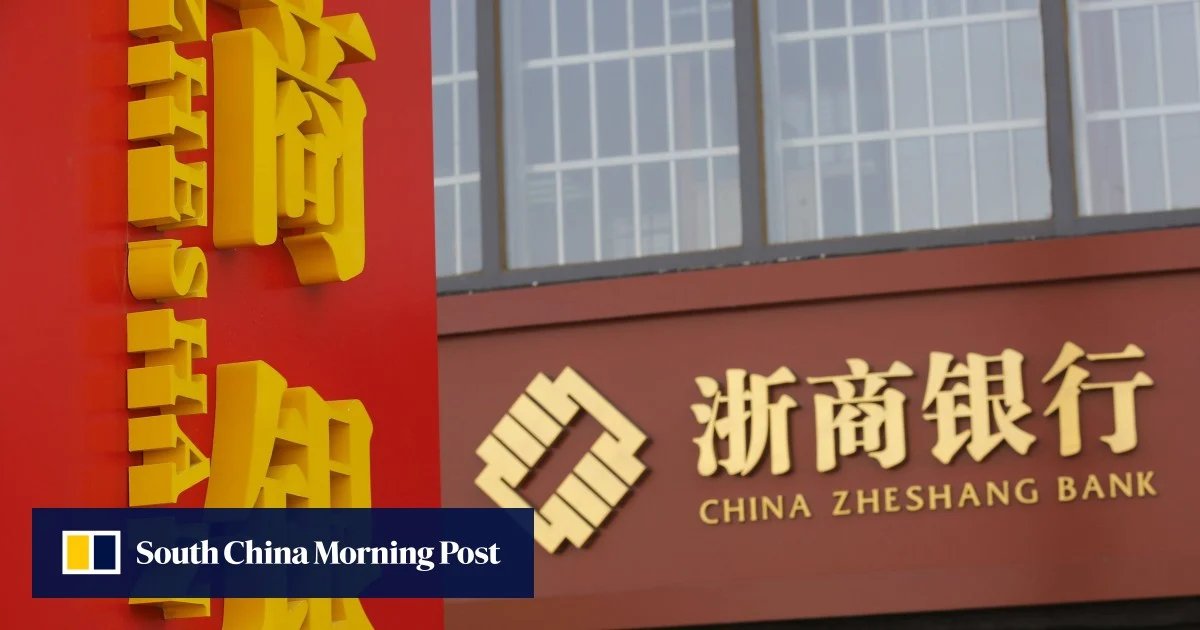
The D-SIB list now stands at 21 institutions, up from 19 when it was first published in 2021. It includes six state-owned commercial banks, 10 joint-stock commercial banks and five urban lenders, accounting for the vast majority of the country’s financial assets.
“We will continuously strengthen the supplementary supervision of systemically important banks and promote their safe, sound operation,” the central bank and the regulatory body said in a joint online statement.
So far, Chinese banks have not reported a sharp rise in bad assets. The non-performing loan ratio of commercial banks stood at 1.5 per cent at the end of 2025, unchanged from a year earlier, according to NFRA data. The bad-loan ratio of large commercial banks was 1.22 per cent, and that of joint-stock commercial banks was 1.21 per cent.
Even so, containing spillovers from property sector risks remains a policy priority.