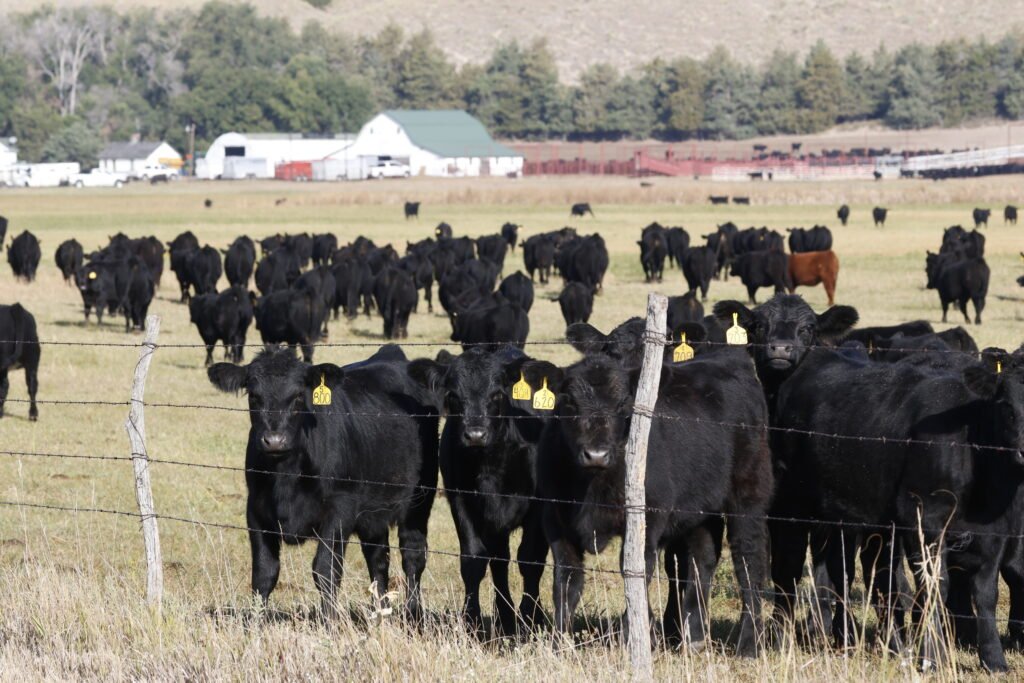
As Nebraskans we’ve been spoon-fed buzz words such as “pro-business economy,” “strong economic climate” and of course the idea of “an even better Nebraska for future generations” from lawmakers who are championing policies that will inevitably harm our state’s top economic driver – the beef cattle industry. There is no reality where Nebraska’s economy can progress and truly thrive while the property tax crisis is breaking ranch families.
As a cattleman, landowner and attorney who has spent years helping hundreds of ag families in Nebraska and South Dakota, I have witnessed first-hand the effects of Nebraska’s skyrocketing property taxes and ag land valuations in comparison to neighboring states. Property tax statements are more than a slip of paper with rows of numbers that can make your eyes glaze over and leave you saying, “not again.”
Property tax statements can be a death sentence for families who’ve been working in Nebraska’s agriculture industry for decades. They are a direct expense on the most important input in our operation – land. Our values of family, tradition and hard work must be upheld by finding commonsense reforms to the property tax problem in Nebraska.
Nebraska ranchers have less money to pay expenses, plan for retirement and allow for generational transfer of their operations because of high property taxes. It takes more cattle, fewer employees and therefore more hours and harder work to survive in Nebraska than our neighboring states. The lack of profitability makes it extremely difficult for young people to make the decision to come back to a family operation.
Nebraska cattle producers are united in our desire to roll up our sleeves and work collaboratively to find a commonsense solution that provides relief, not just for agriculturalists, but for all taxpayers.
There are many components to consider when building a property tax relief plan and reforming the current system of collecting property taxes in Nebraska. Capping the growth of spending by political subdivisions, limiting the property tax rates school districts can levy, broadening the sales tax base while excluding true business inputs and lowering taxable valuations for real property are all sound tax policies that should be included in any plan. If modifications follow these principles, the net result would be a decrease in property taxes paid in the future. All of these ideas have been introduced in the special session.
Since the establishment of the Property Tax Credit Fund in 2007, taxpayers received credits to reduce their overall all property tax burden for all political subdivisions. the Legislature increased this fund, commonly referred to as “Tier One Credits,” over the years and should continue to in the future. New property tax credits were created in recent years after the passage of Legislative Bill 1107, giving income tax credits for property taxes paid to schools. Protecting and growing these credits is essential to sustainable tax relief. Repurposing the LB 1107 current credits only makes sense if there is greater relief provided by law changes than is currently provided under the existing statute.
To reduce the burden of property taxes on Nebraskans, K-12 school funding must be reformed as it is the largest driver of property tax growth in Nebraska. While agricultural producers agree that education of our children is important, the cost of that burden should primarily fall to the state, not property taxpayers. To achieve that reform, the following components must be included:
- Reduce the maximum levy rate for K-12 schools to $0.45 or lower and provide additional state aid to fill any funding gaps.
- Limit the spending growth of political subdivisions by requiring a vote of the constituents in the districts to exceed restrictions.
- Reduce the adjusted valuation of agricultural land in the school funding formula to 50% or lower to account for the explosion of ag land valuations over the past 15 years.
- Grow the tax base, primarily through expansion of the sales tax base, to better balance the funding sources of income, sales and property taxes collected.
These modifications would remove the overreliance on property tax to fund schools and would maintain local control by keeping local taxpayers at the table with financial support, ultimately rebalancing the scales between state and local funding.
I have watched my clients and friends struggle to make a living in a business where land is an essential input to the goods they sell. Property taxes must be lowered, and the time to act is now.