
[JAKARTA] Indonesia recorded its first annual deflation in 25 years, driven by lower staple food prices and reduced electricity rates from government subsidy discounts, potentially creating room for the country’s central bank to consider another rate cut.
Annual deflation stood at 0.09 per cent in February, the national statistics agency indicated on Monday (Mar 3). This was lower than the 0.6 per cent expected by economists in a Reuters poll, and it also slipped below Bank Indonesia’s (BI) inflation target range of 1.5 to 3.5 per cent.
“The last recorded annual deflation was in March 2000, primarily driven by the food commodities sector,” said Amalia Adininggar Widyasanti, head of the statistics agency.
Meanwhile, the annual core inflation rate, which excludes volatile food prices and government-controlled items, rose to 2.48 per cent in February, up from 2.36 per cent in January, on higher prices of gold and cooking oil.
Indonesia saw a 12 per cent year-on-year decline in prices across the housing, water, electricity, and household fuel sectors, due largely to the 50 per cent electricity tariff discount introduced by the government in January.
The discount programme, initially designed to cushion the impact of the cancelled value-added tax hike, was available only until February.
A NEWSLETTER FOR YOU

Friday, 8.30 am
Asean Business
Business insights centering on South-east Asia’s fast-growing economies.
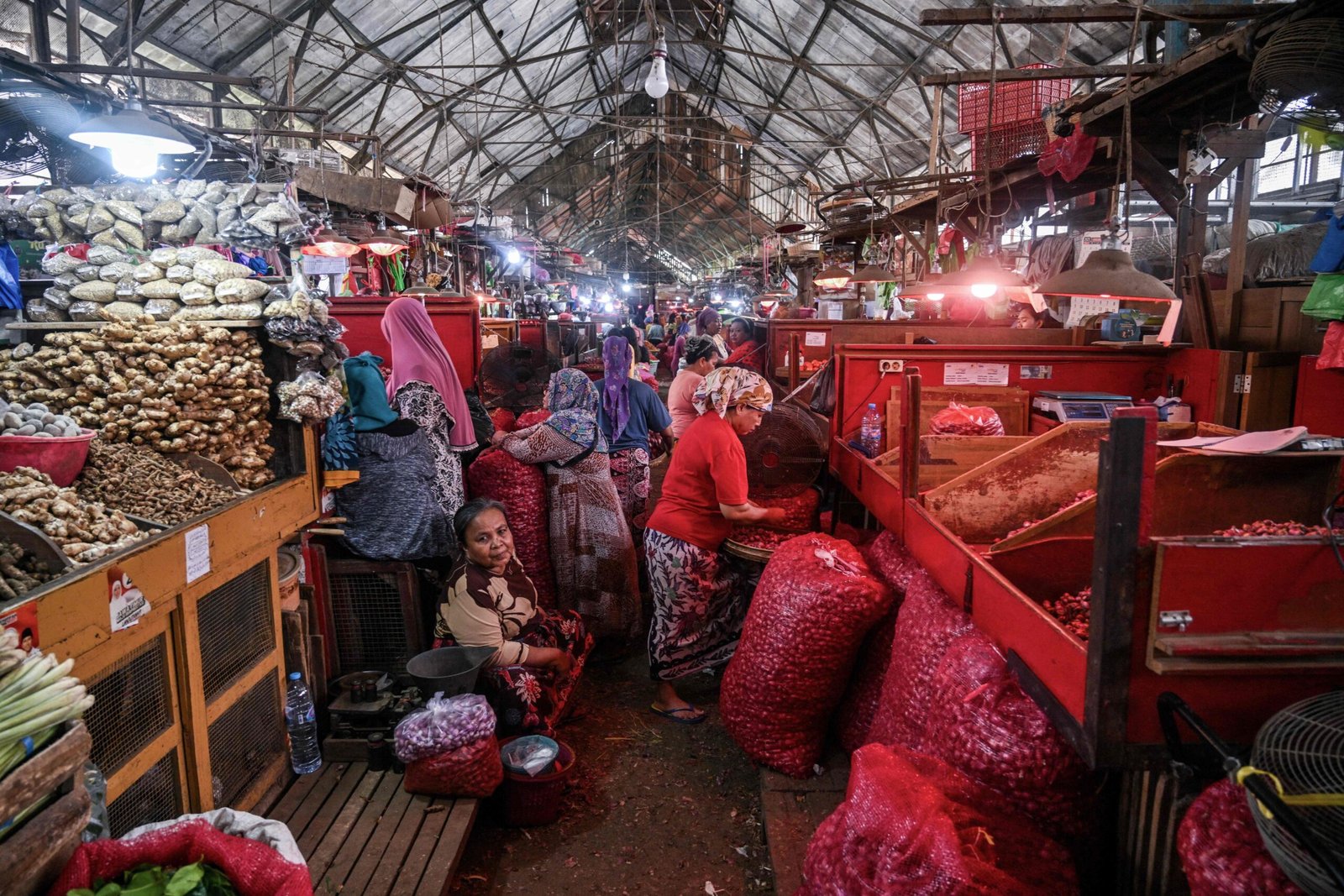
Prices of several food items dipped in February, including those of shallots, red chillies, bird’s eye chillies, tomatoes, and chicken meat and eggs.
The fall in chicken meat and egg prices was attributed to a decrease in corn feed costs, while an increase in chilli production led to a fall in chilli prices.
Signs of sluggish demand
Indonesia experienced a monthly deflation of 0.48 per cent in February, marking two consecutive months of decline.
The situation has raised concerns about weakening consumer purchasing power in South-east Asia’s largest economy.
Fithra Faisal, senior economist at Samuel Sekuritas, said the lower-than-expected deflation highlighted the significant impact of government subsidies on overall price movements.
“While adjustments to administered prices were one factor behind the deflation, weak seasonal demand following holiday spending also contributed to the downturn,” he said.
The consumer confidence index dipped to 127.2 last month, reflecting a more cautious approach among shoppers when it comes to big-ticket purchases.
BI, which had pledged to support President Prabowo Subianto’s administration in achieving this year’s economic growth targets, now sees an opportunity to cut interest rates again, while considering the controlled inflation and stable rupiah exchange rate.
Faisal said that the unexpected deflation could spark speculation about BI’s interest-rate trajectory, especially considering its recent hawkish stance to defend the Indonesian currency.
“However, with core inflation still high, the rupiah under pressure, and external factors like global oil-price fluctuations and geopolitical risks at play, BI is likely to maintain a cautious approach and keep its policy rate unchanged moving forward,” he said.
Ramadan-driven demand
Analysts, however, predict this deflationary trend to be temporary. With the electricity tariff discount set to expire in March and food demand expected to surge ahead of Ramadan, prices are anticipated to rise once again this month.
Josua Pardede, chief economist at Bank Permata, forecasts that inflation will rise to 2.33 per cent by the end of 2025, up from 1.57 per cent in 2024, as the electricity tariff discount is phased out in March.
“We expect inflation to remain within BI’s target by the end of 2025, unless the discount policy is extended,” he said.
Beyond policy factors, the ongoing recovery in consumer demand could lead to moderate demand-pull inflation, while the depreciation of the rupiah may exert additional imported inflationary pressures, he added.
Holiday bonuses provided by companies to employees are a key driving factor for consumer spending during Ramadan.
The Indonesian Shopping Center Management Association expects retail transactions during Ramadan and Idul Fitri to increase by 20 per cent compared with regular months. However, this predicted rise is more moderate than the 30 per cent surge seen in 2024.
Currency risks
The rupiah has weakened by more than 1.7 per cent against the US dollar since the start of the year, raising concerns about potential inflationary pressures driven by rising raw material prices and unfavourable exchange rates.
The rupiah’s depreciation against major currencies has increased import costs, particularly for industries reliant on commodities.
Analysts caution that manufacturers may face challenges in managing margins if these cost pressures continue, potentially leading to further price hikes.