
Enter bitcoin
Speaking to journalists on a call last week, Eduardo said the company is now evaluating potential “offtakers” – industrial energy consumers that could be installed directly at Assu Sol to absorb the excess power that the grid refuses to take.
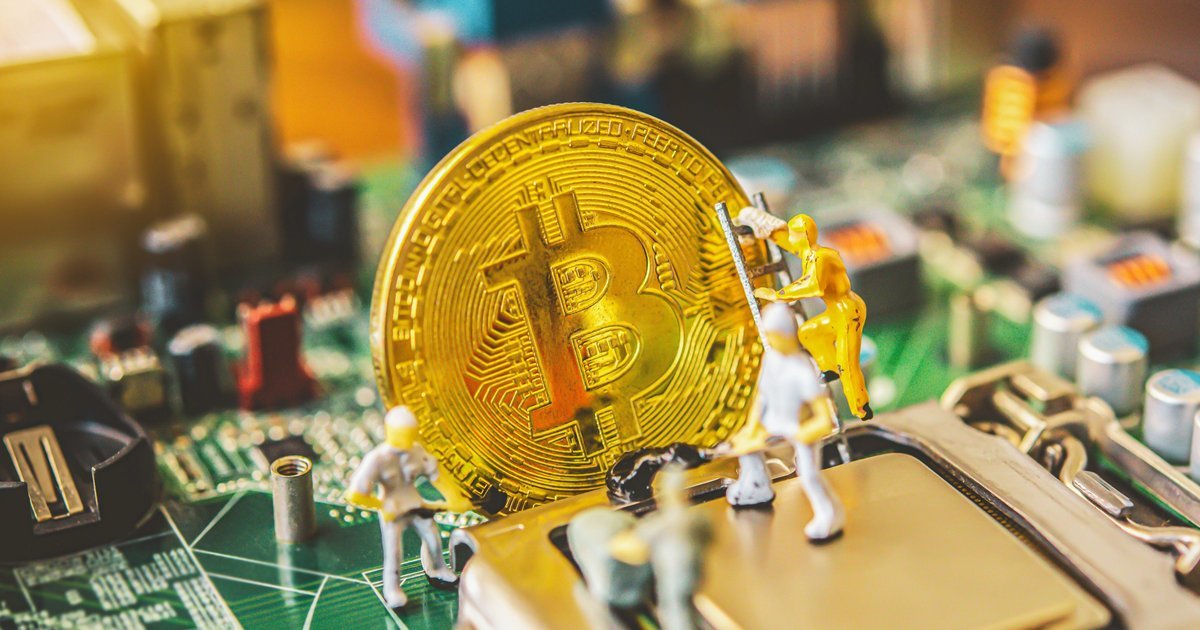
Two options are on the table: battery storage systems and bitcoin mining data centres.
“We are looking at some possible offtakers,” he said.
The appeal of bitcoin mining, in this context, has less to do with cryptocurrency than with physics.
Mining rigs are one of the few industrial loads that can be switched on and off almost at the drop of a hat, making them uniquely suited to mopping up the variable surpluses that solar plants produce. That power, of course, would otherwise go to waste.
Brazil’s policy environment has also tilted in favour of bitcoin miners in recent weeks.
Just days before ENGIE’s announcement, the country’s foreign trade council slashed import duties to zero on high-efficiency mining hardware, with the exemption running until January 2028.
That tariff window could meaningfully reduce the upfront cost of any mining infrastructure ENGIE eventually chooses to deploy.
Eduardo was careful, though, not to oversell the timeline.
“That’s not coming next month,” he said. “It will take a couple of years for us to implement.”