
Markets navigated a mix of geopolitical tensions, policy signals, and asset-specific developments on Monday, with cryptocurrencies rebounding, oil markets remaining on edge, and policymakers weighing risks across financial systems.
From Bitcoin’s recovery to fresh warnings from Washington and comments from Federal Reserve Chair Jerome Powell, investors tracked multiple crosscurrents shaping sentiment.
Bitcoin rebounds but struggles to hold above key resistance
Bitcoin prices recovered after a volatile weekend, rebounding from weekly lows near $65,000 to trade above $66,000 during late Asian hours.
The move was supported by a modest return in risk appetite as investors reacted to signs of easing tensions in the Middle East.
The Crypto Fear and Greed Index rose four points to 27, remaining in “Fear” territory, while the total crypto market capitalization gained 1.6% but stayed below the $2.5 trillion mark.
Bitcoin climbed as much as 4.5% intraday, touching $68,000 before losing momentum.
The rally was driven partly by dip buying and reports of Pakistan facilitating talks between the US and Iran.
However, gains were capped by selling pressure and long liquidations, with more than $240 million wiped out, according to Coinglass.
Institutional sentiment remained weak. Data from SoSoValue showed US spot Bitcoin ETFs recorded $296 million in net outflows for the week ending March 27, reversing a four-week inflow streak.
Analysts flagged continued downside risks. On-chain metrics cited by Willy Woo suggest a potential bear market bottom between $46,000 and $54,000, highlighting vulnerability if macro pressures persist.
Trump ramps up Iran warning as oil risks intensify
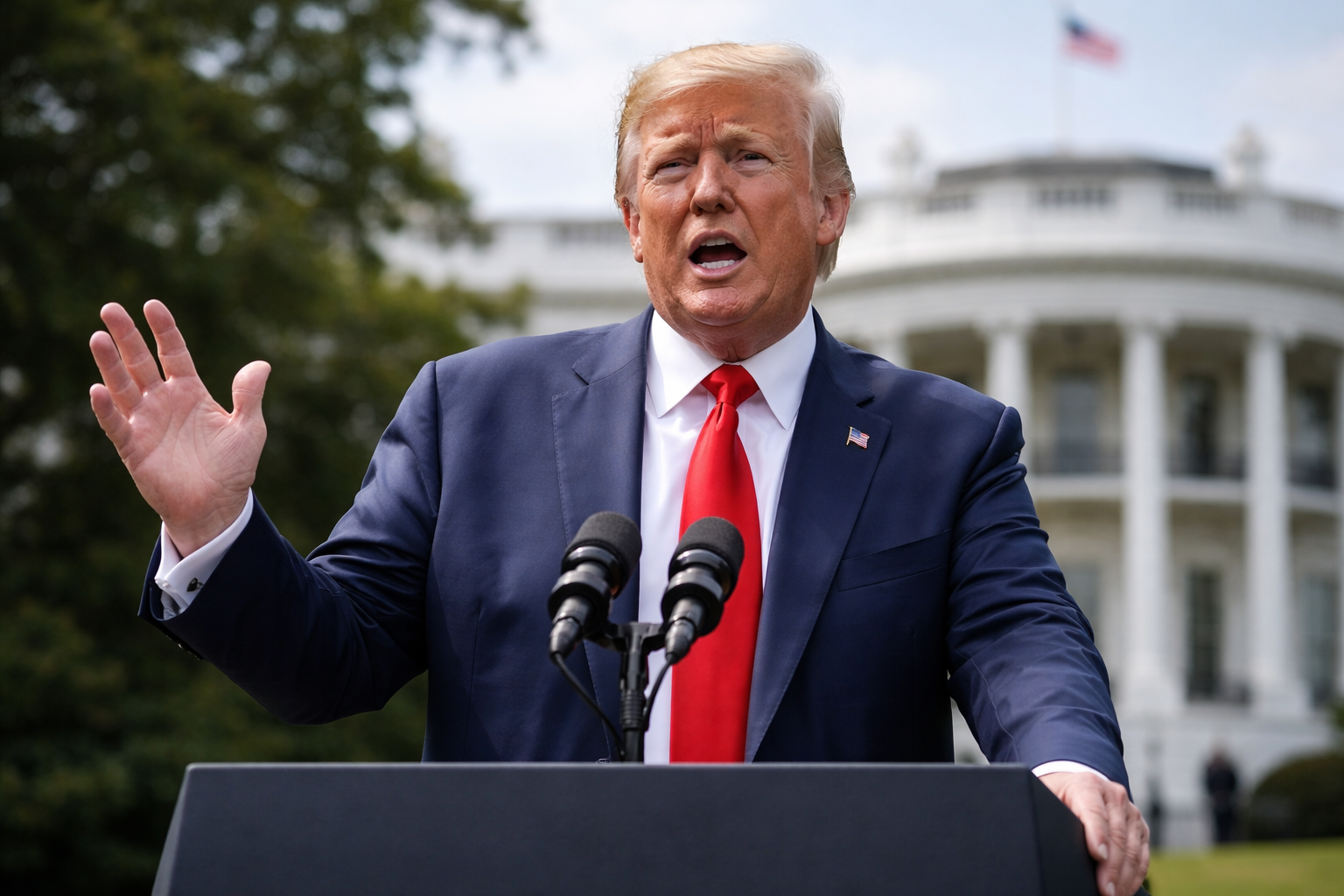
Donald Trump issued a stark warning on Monday as the Iran conflict entered its fifth week, linking military escalation to the status of the Strait of Hormuz.
“The United States of America is in serious discussions with A NEW, AND MORE REASONABLE, REGIME to end our Military Operations in Iran,” Trump said in a post on Truth Social.
He added: “Great progress has been made but, if for any reason a deal is not shortly reached, which it probably will be, and if the Hormuz Strait is not immediately ‘Open for Business,’ we will conclude our lovely ‘stay’ in Iran by blowing up and completely obliterating all of their Electric Generating Plants, Oil Wells and Kharg Island (and possibly all desalinization plants!), which we have purposefully not yet ‘touched.’”
The Strait of Hormuz remains a critical chokepoint for global oil flows, with disruptions pushing Brent crude toward record monthly gains.
Shipping traffic has slowed significantly since hostilities escalated, with Iran targeting vessels in the region.
Oil prices reflected these risks, with Brent crude trading around $114 per barrel and on track for its steepest monthly gain on record, while US benchmark WTI hovered near $104.
Delaware judge reassigns Musk-related cases
In corporate legal developments, Elon Musk secured a partial procedural shift in ongoing litigation, though not the outcome he sought.
Judge Kathaleen McCormick denied Musk’s motion for recusal but agreed to reassign cases involving him to other judges. The dispute followed allegations of bias linked to a LinkedIn interaction.
“The motion for recusal rests on a false premise — that I support a LinkedIn post about Mr. Musk, which I do not in fact support,” McCormick wrote. “I am not biased against the defendants in these actions. In fact, I dismissed a suit against Mr. Musk just last year. The motion for recusal is denied. But the motion for reassignment is granted.”
The cases stem partly from disputes tied to Musk’s compensation and fiduciary responsibilities at Tesla Inc..
Powell signals caution on inflation and private credit
Federal Reserve Chair Jerome Powell said inflation expectations remain stable but warned that geopolitical developments could influence the outlook.
“We don’t know what the economic effects will be,” Powell said at an event at Harvard University. “We do think our policy is in a good place for us to wait and see.”
He noted that inflation expectations appear “well anchored beyond the short term,” even as oil price gains tied to the Iran conflict raise concerns about stagflation.
Powell also addressed risks in private credit markets, where recent volatility has prompted investor withdrawals.
“I’m reluctant to say anything that suggests that we’re dismissive of the risk,” he said, adding that officials are “looking for connections to the banking system and things that might, you know, result in contagion. We don’t see those right now.”
He emphasized that regulators are closely monitoring exposures and engaging with financial institutions, while noting that any losses in the sector are unlikely to trigger a broader systemic event.