
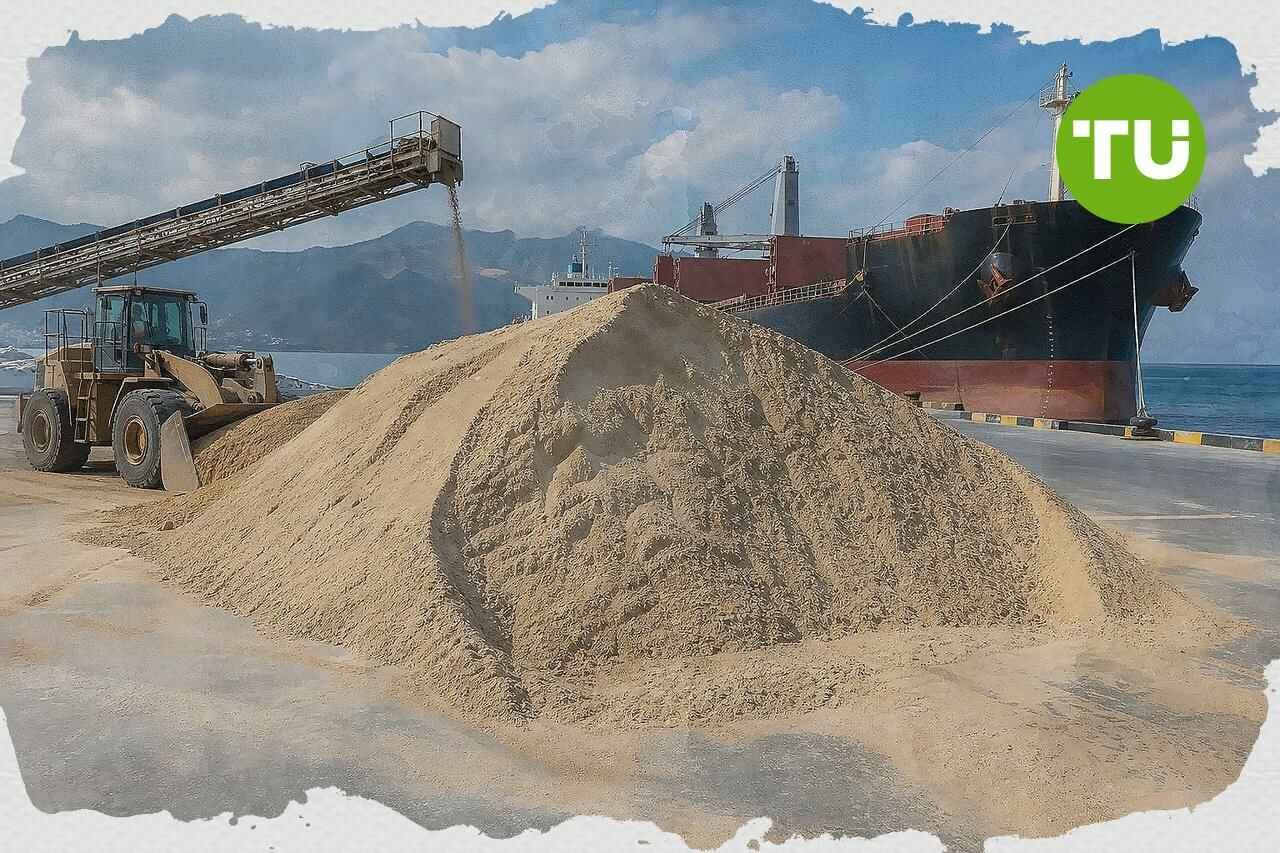
A long-running sand route from Western Sahara to Spain’s Canary Islands is drawing renewed scrutiny after a cargo ship sank and another vessel resumed the same trade. The case highlights how a $500 billion global market for a core construction material operates under fragmented rules, with implications for building standards, environmental oversight and legal risk.
Highlights
- CKR Zeynep docked in Fuerteventura on May 4 with 5,000 tons of sand from Western Sahara, highlighting regulatory scrutiny in EU supply chains.
- Bloomberg tests found high shell content in imported sand, raising concerns about concrete strength and building safety in rapidly expanding Canary Islands construction.
- 95% of Canary Islands’ sand imports come from Morocco, but outdated EU standards and unclear legal responsibility expose ongoing risks in material oversight and traceability.
Western Sahara trade route faces closer scrutiny
As reported by Bloomberg, the investigation follows the movement of sand shipped from Western Sahara to the Canary Islands and examines whether rules on treatment and labeling are being followed after the material enters the local supply chain.
For at least a decade, the Panama-flagged Dura Bulk carried construction material along that route before sinking in February after reporting water ingress. The CKR Zeynep then began making the same journey, docking at Fuerteventura on May 4 with 5,000 tons of sand used in concrete, mortar and glass.
Western Sahara remains a disputed territory, and the use of its natural resources has been contested in legal battles for years. That legal backdrop adds to concerns around a trade in which EU construction rules do not require suppliers to disclose where sand is extracted.
Construction quality and oversight concerns widen
Rapid urban expansion since the start of the century has added roughly two billion people to cities, increasing pressure on builders to find new aggregate supplies. Sand has become the world’s second-most consumed resource after water, but the trade remains marked by limited transparency and uneven enforcement across jurisdictions.
In the Canary Islands, imports mainly come from Western Sahara, with 95% sourced from Morocco. Testing of sand samples by Bloomberg found concerning levels of shell content, a factor that can weaken concrete quality and raise safety questions for buildings and infrastructure.
Relevant EU standards have not been updated in nearly 20 years, according to the investigation. Some Canary Islands lawmakers are seeking to halt imports over legal, environmental and public health concerns, while the regional government says responsibility for controlling sand imports rests with Spain’s national government.
We have also looked at how European ammonia output cuts are pushing fertiliser makers toward greater import reliance.
This material may contain third-party opinions, none of the data and information on this webpage constitutes investment advice according to our Disclaimer. While we adhere to strict Editorial Integrity, this post may contain references to products from our partners.