
Producer pressures
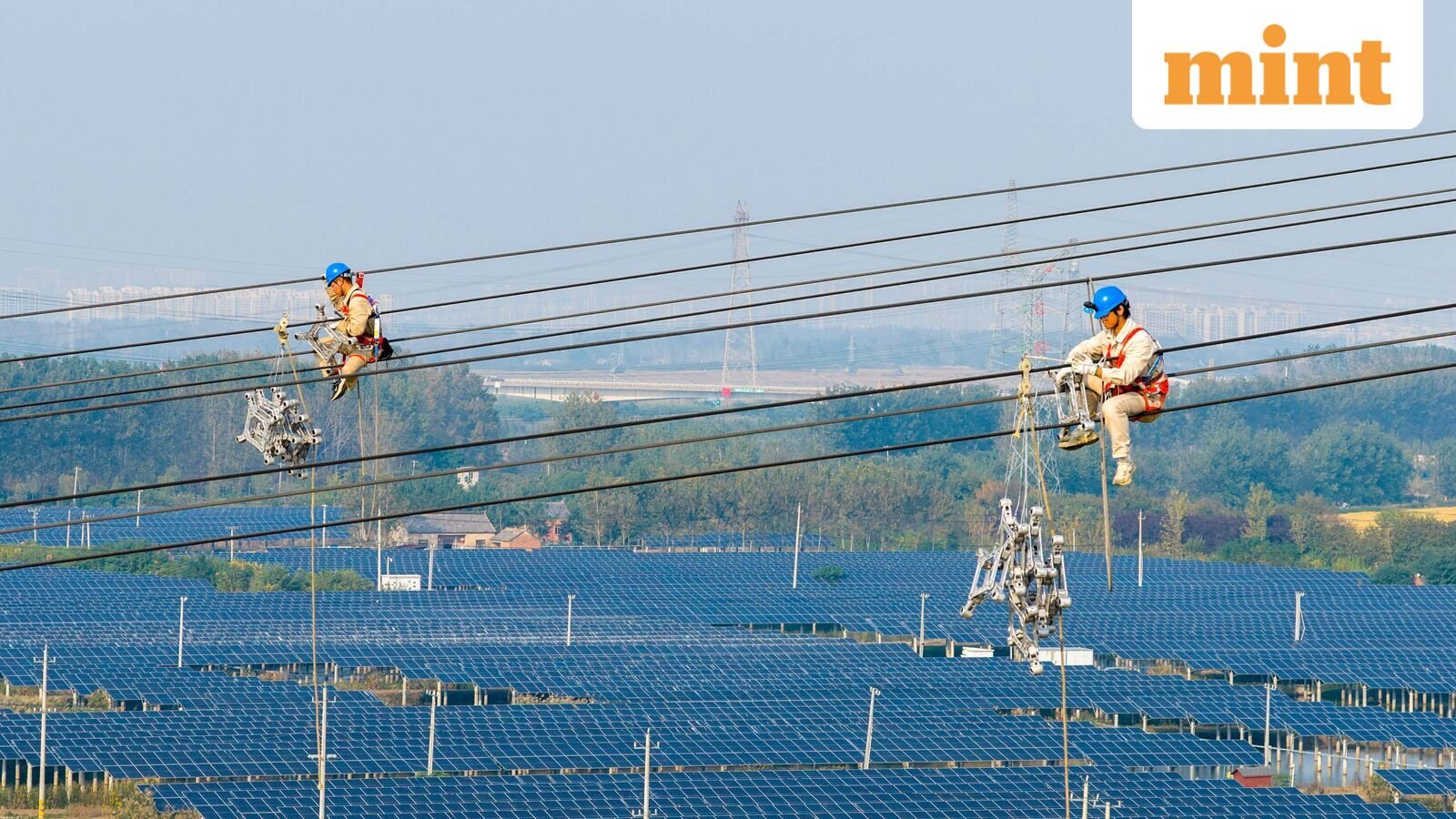
Even as consumer inflation remains subdued, China’s factory-gate prices are surging, with producer price inflation (PPI) reaching 5% in September 2026, its fastest pace in more than four years. PPI inflation turned positive in March after 41 consecutive months of deflation, which was driven largely by industrial overcapacity and intense price competition among manufacturers. Since April, rising global commodity and energy costs have pushed up manufacturing expenses. Supply disruptions linked to the West Asia conflict have further intensified these pressures, particularly in fuel processing, chemicals and non-ferrous metals. Yet, the pass-through to consumers remains limited. Core inflation, which excludes food and energy, remained unchanged at 1% year-on-year in September. This widening gap between producer and consumer prices presents a dilemma for Chinese manufacturers: rising input costs are squeezing margins, but weak domestic demand limits their ability to pass these increases on to consumers. If energy and commodity prices remain elevated, cost pressures could eventually feed into consumer prices, although persistently weak demand may continue to constrain this transmission.