
Key Takeaways
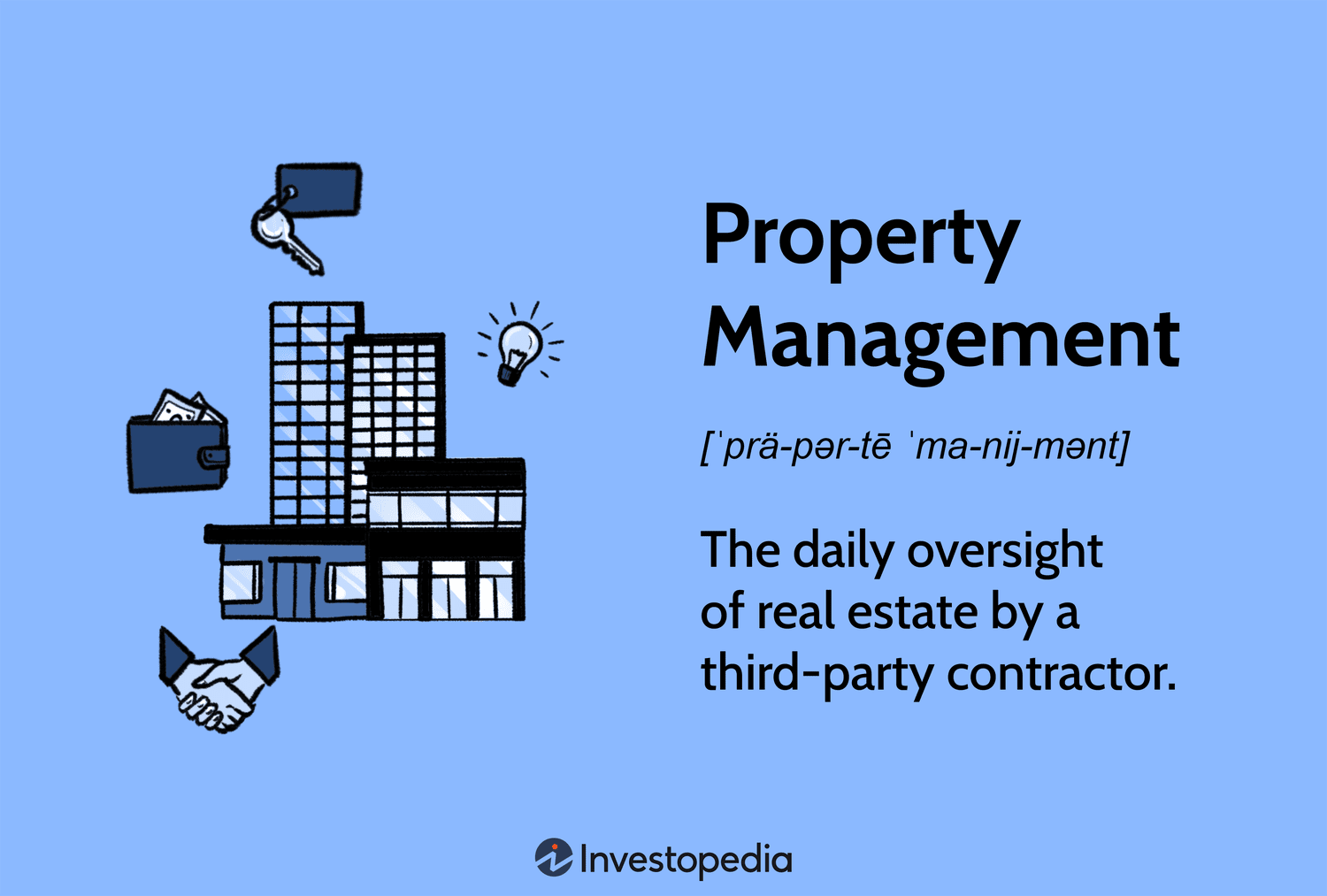
- Property management entails the daily oversight and maintenance of residential, commercial, and industrial properties by third-party contractors.
- Property managers handle responsibilities such as tenant screening, leasing, maintenance, and rent collection, freeing owners from daily operations.
- Different property types require specialized management, complying with state and local regulations is essential for property managers.
- Hiring a property manager can be financially beneficial if management costs are less than the opportunity costs for property owners.
- Property management is vital for maintaining property value and ensuring compliance with complex regulatory guidelines in affordable housing programs.
What Is Property Management?
Property management is the process of overseeing and maintaining real estate for a property owner. Property managers handle repairs, maintenance, rent collection, tenant concerns, and other tasks for different property types. They are required to follow state and local laws. Keep reading to learn about the duties, roles, and benefits of employing a property manager.
Key Insights in Property Management
Property developers generally want to move on to the next project as soon as each one is completed. Even if they continue to hold title to the property, they prefer to delegate the day-to-day operations to an outside company.
The responsibilities of a property manager generally involve the following:
- Screening potential tenants
- Drafting, signing, and renewing leases on behalf of property owners
- Collecting rent
- Maintenance of properties, including landscaping and snow removal
- Arranging for necessary repairs to properties
- Setting up and adhering to budgets for property maintenance
- Understanding state and national landlord-tenant laws and regulations
- Marketing properties
- Supervising other employees
- Handling taxes
These companies must follow state and local landlord-tenant laws and regulations.
Owners pay property managers either a fee or a percentage of the rent the property generates.
Types of Property Management
Just as property comes in many types, so do property managers. Some firms specialize in managing specific property types, while others handle a variety of properties. A huge range of property types can be managed.
Managing Residential Properties
Residential property managers are typically hired for rental properties, and they manage the rental process. They can be hired to manage:
Managin Commercial Properties
Commercial property owners have different needs from those who own residential property. Commercial property management can apply to:
- Public accommodations like hotels
- Retail properties like malls, restaurants, and gas stations
- Office properties like real estate brokerages or doctors’ offices
- Co-working spaces where professionals rent work space by the day or the hour
Managing Industrial Properties
Industrial properties that can benefit from management include:
- Heavy manufacturing facilities such as automotive plants and steel mills
- Light manufacturing factories such as food packaging
- Warehouses
- Distribution facilities
Special-Purpose Property Management Explained
There are also numerous types of property that don’t fit neatly into the categories above, but that require management nonetheless. These include:
- Theaters
- Sports arenas
- Resorts
- Senior care facilities
- Schools and universities
- Places of worship
How to Determine the Need for a Property Manager
Several types of property owners can benefit from the services that property managers offer.
For example, landlords hire property management firms for various reasons. Some may have multiple rental properties in their portfolios and lack the time or expertise to maintain the properties and deal with individual tenants. Some owners only have an interest in owning rental properties and earning profits from them. When this is the case, they hire professional property managers. Absentee landlords also make use of property management services. Some companies cater to individual landlords renting out single properties, like vacation homes.
Property owners in affordable housing programs often use property management services since these properties face complex federal guidelines needing specialized expertise. Certain real estate brokers also operate as property managers. For example, a broker in a resort town may provide buyer and seller agent services as well as property management services. When this is the case, the real estate broker lists, shows, leases, and maintains vacation rentals for a number of property owners.
Important
Property managers are different from community managers, who deal with common areas rather than individual units and don’t necessarily deal directly with landlords.
Key Considerations in Property Management
Property management licensing requirements vary by state. Most states require property management companies to be licensed by the local real estate board, so property owners need to make sure that the firms they hire are properly licensed.
For instance, property managers in Florida are required to have real estate broker’s licenses to operate in the state. That’s because some of their responsibilities are deemed real estate activity. Holding a real estate broker’s license allows property managers to list rental properties in the multiple listing service (MLS) and to market the properties by standard real estate marketing methods. Holding a real estate broker’s license also allows the property management company to place a real estate board lockbox on a property’s door so that other licensed agents can show the property.
Florida also requires property managers to hold a broker’s license if they deal with rentals or leases and receive a commission for their services. However, property managers who own the properties they manage in the state don’t need a license.
Managers in Massachusetts don’t require a broker’s license. That’s because certain duties considered to be real estate activities, such as listing and leasing properties, may be secondary to the main duties performed by the property manager.
Is a Property Manager Worth It?
It depends. Managing property can be costly and take a lot of time. If the cost of a property manager is less than the opportunity cost of managing properties yourself, it’s probably a good investment. However, this is an equation that every investor will have to work through for themselves.
Who Benefits from HIring a Property Manager?
Any property manager who doesn’t want to deal with the day-to-day management of property can potentially benefit from property management. This can include a residential property owner who doesn’t want the headaches of dealing with tenants, or commercial property owners who prefer others to source and manage tenants, leases, and maintenance.
Are Property Managers Regulated?
Yes. Property management licensing requirements vary by state, but most states require property management companies to be licensed by the local real estate board. Property owners should make sure that the firms they hire are properly licensed.
The Bottom Line
Property management is the oversight of real estate by a third party, normally a professional property manager or property management company. Their work is important for maintaining the value of different types of property: residential, commercial, industrial, and property for special purposes.
Every state has its own laws regulating the activities of property managers, so it’s important for property owners to check that potential property managers are properly licensed for their state. Although the service can be expensive, the benefits of property management often outweigh the costs.