
TL;DR
- Iranian state-linked hackers have breached at least a dozen US water utilities since late 2025, exploiting internet-exposed human-machine interfaces (HMIs) and weak password policies.
- Confirmed intrusions show attackers accessed control panels, manipulated water treatment settings, and exfiltrated system data—though no confirmed contamination of drinking water has occurred.
- US cybersecurity agencies (CISA, FBI, EPA) issued emergency directives in August 2026, mandating multi-factor authentication and network segmentation for all water systems, while Congress debates new mandatory security standards.
The Water Sector Under Siege: A New Wave of Iranian Cyber Intrusions
Over the past six weeks, a coordinated campaign of cyberattacks has rattled America’s water sector. At least a dozen utilities across Texas, Pennsylvania, California, and the Midwest have reported unauthorized access to their operational technology (OT) networks. US intelligence officials have attributed the intrusions to Iranian state-sponsored groups, most notably a cluster tracked as “Pioneer Kitten” (also known as Fox Kitten or UNC757), which has a history of targeting critical infrastructure.
The attacks are not random noise. They represent a deliberate, escalating effort to map and destabilize the systems that deliver clean water to millions of Americans. Here’s what has been confirmed, what remains murky, and why this marks a dangerous turning point for national security.
Confirmed Breaches: What We Know for Certain
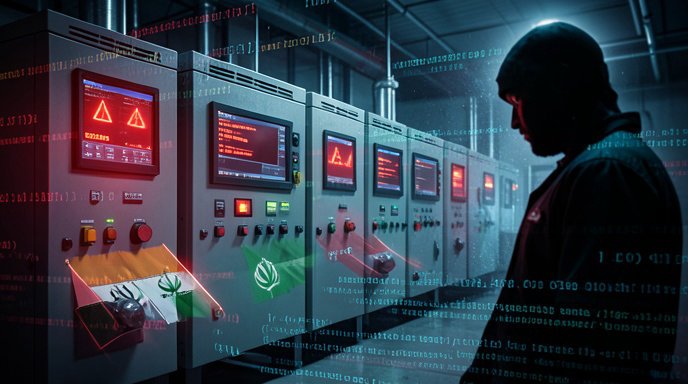
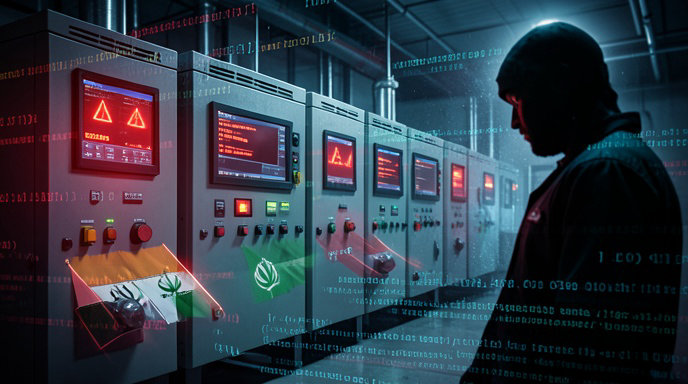
The most concrete incident occurred in early July 2026 at a municipal water treatment plant in rural Texas. Investigators confirmed that attackers gained access to the plant’s SCADA (Supervisory Control and Data Acquisition) system—the software that controls pumps, valves, and chemical dosing. The intruders altered the setpoints for chlorine injection, temporarily reducing disinfectant levels to near-zero before an operator noticed the anomaly and manually reverted the changes. No contaminated water reached consumers, but the margin for error was terrifyingly thin.
A second confirmed breach hit a Pennsylvania wastewater facility, where attackers accessed the control panel for sludge dewatering equipment. They didn’t cause damage, but they did exfiltrate system configuration files and network diagrams—intelligence-gathering that could enable future, more destructive operations.
In California, three separate utilities reported that their remote-access portals were brute-forced using default or reused credentials. In one case, the password for the plant’s main control interface was “Admin1234.” The attackers maintained persistence for nearly two weeks, moving laterally across IT and OT networks before being detected by a third-party security firm.
The Attack Vectors: Exploiting Decades of Neglect
The primary entry points are not exotic zero-day exploits. Instead, the hackers are leveraging a combination of:
- Internet-exposed HMI panels – Many small and mid-sized utilities still run legacy human-machine interfaces (like those from Rockwell Automation or Siemens) that are directly connected to the internet for remote monitoring. No firewall, no VPN, no segmentation.
- Weak or reused credentials – The Iranian operators have been running credential-stuffing campaigns using password dumps from unrelated breaches. They’ve had remarkable success, particularly with smaller utilities that lack dedicated IT staff.
- Exploiting known CVEs – In at least two cases, the attackers used publicly documented vulnerabilities in older versions of Teltonika routers and Mitsubishi PLCs that had not been patched for years.
Notably, the group has shown a “low and slow” approach—they probe for weeks, establish a foothold, then quietly harvest data. This is consistent with a reconnaissance and influence operation, not a flashy destructive attack.
The Motive: Espionage, Leverage, or a Dry Run?
US officials have stopped short of calling this an act of war, but they are deeply concerned about the intent. There are three prevailing theories:
- Strategic espionage: The exfiltration of water treatment parameters, chemical inventories, and valve schematics could help Iran build a database of US critical infrastructure weaknesses. This data could be sold, shared with allied groups, or held as leverage in future geopolitical standoffs.
- Psychological coercion: The attacks may be designed to sow public distrust in water safety. By demonstrating they can touch the most basic of civic utilities, Tehran sends a message of vulnerability to the American public.
- A dry run for sabotage: The chlorine manipulation in Texas—even if reversed—shows the actors are willing to cross the line from espionage to physical impact. Experts fear this is a rehearsal for a larger, coordinated attack during a regional crisis.
The Iranian government has denied involvement, calling the accusations “baseless propaganda.” However, US Cyber Command has reportedly conducted offensive counter-operations against the group’s infrastructure in Iran, though details remain classified.
What Remains Unknown: The Gaps in Our Knowledge
Despite the flurry of announcements, significant unknowns persist:
- Full scope of the campaign: CISA has only publicly confirmed a fraction of the incidents. Private security firms say the actual number of breached utilities could be three times higher, as many small systems lack detection capabilities.
- Data exfiltration extent: We don’t know exactly which files were stolen. Some utilities have only realized their backup servers were accessed, not just the live systems.
- Potential insider involvement: In at least one case, investigators are examining whether a disgruntled former employee shared credentials with the hackers—this remains unconfirmed.
- Long-term persistence: The attackers planted custom backdoors in two networks. While those have been removed, analysts worry about dormant implants that could be activated later.
The National Security Reckoning: Why This Is Different
This wave of attacks is a wake-up call for several reasons. First, the US water sector is notoriously fragmented—there are over 150,000 public water systems, most serving fewer than 10,000 people. These small utilities lack budgets for cybersecurity staff, let alone advanced threat hunting.
Second, the attacks are happening in parallel with a broader Iranian cyber campaign against US financial institutions and healthcare networks. This suggests a coordinated, multi-pronged strategy rather than opportunistic hacking.
Third, the legal and regulatory framework is still catching up. The EPA’s 2023 attempt to mandate cybersecurity inspections for water systems was struck down in court, leaving a patchwork of state-level rules. In response to the recent breaches, CISA issued an emergency directive on August 10, 2026, requiring all water utilities to enable multi-factor authentication on any internet-facing system and to implement network segmentation within 90 days. But compliance is voluntary for many small systems, and enforcement remains weak.
What Utilities Should Do Right Now
Cybersecurity experts are urging immediate action, even before mandates kick in:
- Inventory all internet-facing OT devices – Disconnect any HMI or PLC that does not absolutely need remote access.
- Change all default passwords immediately – This sounds basic, but it remains the most common entry point.
- Deploy a free OT monitoring tool – CISA offers free cybersecurity assessments and a free tool called “Cybersecurity Evaluation Tool” (CSET) to help map network vulnerabilities.
- Establish a 24/7 incident response line – Many utilities only discover breaches weeks later. In the Texas case, the chlorine change was caught because an operator happened to look at the screen.
The Road Ahead: A Security Gap That Won’t Close Overnight
The Iranian threat is not going away. Intelligence briefings suggest the group is actively scanning for more vulnerable water facilities, and they are adapting their tactics based on what they learned from the recent failures. The US government is pushing for a new “Water Infrastructure Security Act” that would provide $500 million in grants for small utilities to upgrade their OT security, but the legislative path is uncertain.
In the meantime, the reality is stark: America’s water system is a soft target, and the attackers know it. The best defense remains vigilance, basic hygiene, and a recognition that this is not a hypothetical threat—it is happening right now, in small towns and big cities alike. The next chlorine setpoint change might not be reversed in time.