
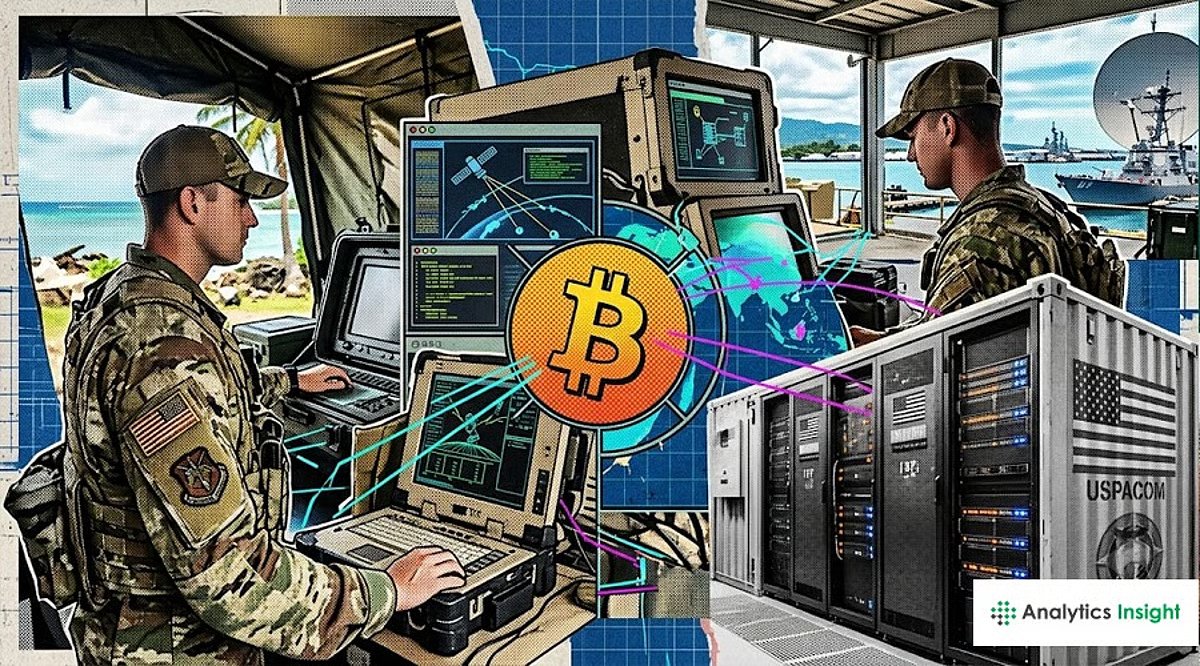
The timing of Paparo’s comments drew attention for another reason. The monetary think tank of the Chinese Communist Party recently published research on Bitcoin as a strategic asset. The Bitcoin Policy Institute said that Chinese work responded directly to its own research. At the same time, Iran now accepts Bitcoin for transit fees in the Strait of Hormuz.
in Taiwan have discussed Bitcoin as a reserve asset. As a result, the protocol’s geopolitical role now reaches beyond Washington. A Bitcoin full node keeps a complete copy of the blockchain. It also validates transactions and enforces protocol rules without relying on an external trust authority.
That means INDOPACOM acts as an active participant in the network. It does more than watch events from the outside. Estimates place publicly reachable Bitcoin nodes at 15,000 to 20,000 worldwide. The actual number likely runs higher because many nodes operate behind firewalls.
In that context, one state-run node does not threaten Bitcoin’s . Still, the public record now shows that a U.S. combatant command operates one. The Bitcoin Policy Institute viewed Paparo’s remarks as a move from institutional adoption toward national adoption. Its research director, Sam Lyman, called Bitcoin an asset of undeniable geopolitical significance.